eFoil regulations & spots in Samoa
Legal in practice. Samoa has no eFoil or jet-ski rules; the Shipping Act 1998 and Small Vessels Regulations 1999 cover craft under 15 m on paper, but private motorised boards are unregulated in practice. Village fono rules and community fish reserves govern lagoons locally.
Regulatory overview
Samoa has no law that mentions eFoils, electric surfboards or personal watercraft. Maritime safety sits with the Maritime Division of the Ministry of Works, Transport and Infrastructure (MWTI) under the Shipping Act 1998, which defines "small craft" as any vessel under 15 m and empowers regulations on their licensing, operator permits and safety equipment; the Shipping (Small Vessels) Regulations 1999 apply to vessels in Samoan waters under 15 m. The Act says pleasure craft under 15 m "shall be licensed" in the manner prescribed by regulations while exempting them from registration, but the sources describe a regime built for fishing boats and passenger launches, and there is no evidence that it has been applied to boards or jet skis. Treat an eFoil as an unaddressed small motorised craft.
No licence, minimum age, registration, insurance or life-jacket rule for a privately ridden eFoil could be found. Skippers of vessels working more than five nautical miles offshore need a Class 6 Master/Engineer certificate, and enforcement of small-boat rules is shared between the police, MWTI and the Fisheries Division and is weakest in rural areas. Commercial jet-ski hire has operated since late 2025 from Matautu-tai in Apia harbour as guided tours only, with a life jacket and safety briefing for every rider; those are operator conditions, not law. Anyone wanting to import or hire out an eFoil should ask the MWTI Maritime Division whether a licence under the 1999 regulations is expected.
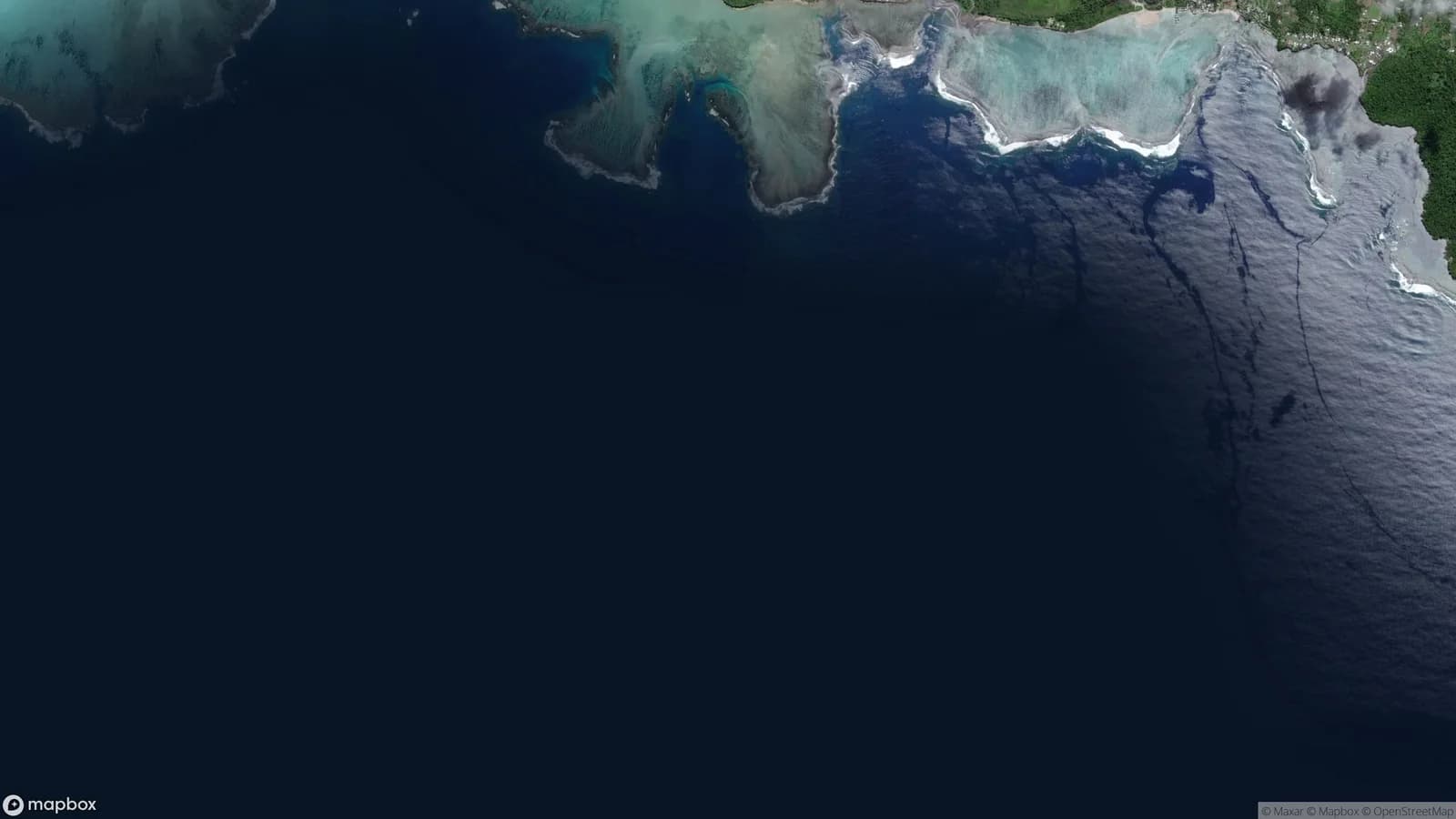
Where you can ride is governed less by maritime law than by villages and conservation rules. Coastal villages control their adjacent reef and lagoon through the fono (council of matai) under the Village Fono Act 1990; many have gazetted fisheries by-laws creating fish reserves, such as the Salua Uta by-laws on Manono, which bind non-residents, extend 100 m beyond the reef and carry fines set by the village council. Samoa's 2025 Marine Spatial Plan adds new fully protected areas and folds existing community fish reserves into a legal framework. Apia harbour is a working port with ferry and cargo traffic.
There is no documented enforcement of watercraft rules against individual riders and no fine schedule for boards; the practical risk is a village fine or being asked to leave for riding over a reserve or in front of a village without permission. Ask the village matai or the resort's management before launching from any village beach, keep off marked fish reserves, wear a PFD as the Apia jet-ski operator requires, and treat Apia harbour's ferry lanes as off-limits.
Disclaimer
This guide summarises publicly available regulatory information as of the last-verified date above. Regulations change. Always confirm with official sources and your local maritime authority before launch.