eFoil regulations & spots in Thailand
Thailand has no eFoil-specific statute; eFoils are regulated by analogy to motorized PWC under the Thai Vessels Act. Phuket caps activity to five designated beaches; Phang Nga and Krabi effectively ban PWC; marine national parks explicitly prohibit eFoils.
Regulatory overview
Thailand has no eFoil-specific statute; eFoils are regulated by analogy to motorized personal watercraft under the Thai Vessels Act B.E. 2481 and by marine-park rules. The Marine Department of Thailand (กรมเจ้าท่า), Ministry of Transport, requires operators of power-driven sea-going vessels to hold a Second-Class Helmsman certificate; operating without one can carry fines up to 10,000 THB if an incident occurs. Recreational vessels under 10 gross tonnes are not subject to commercial Thai-flag registration but must still comply with safety, zoning and life-jacket rules.
Jet skis (and by extension eFoils/jetsurfs) are restricted to five designated Phuket beaches: Patong, Karon, Kata, Kamala and Bang Tao, with a 500 m offshore limit and mandatory swim-zone separation. Phang Nga and Krabi provinces have effectively banned jet skis from public beaches, so eFoiling is also strongly discouraged or prohibited there. Inside Mu Ko Similan, Mu Ko Surin and other marine national parks, jet skis, Seabobs, jetsurfs and e-foils are explicitly prohibited; the parks also close annually 16 May to 14 October.
For visitors planning to ride an eFoil in Thailand, the practical picture is: legal but constrained. Phuket is the main hub, with several licensed operators (e.g., on Kata, Patong, Nai Thon and Kamala) offering instruction and rental within the five jet-ski-approved beaches; outside those zones, marine police can fine operators and confiscate craft. Riders must wear a life jacket fitted with a whistle, stay within 500 m of shore, observe red-flag closures, and respect roped swim areas. Renters should verify the operator displays Marine Department licence numbers on the craft and ideally holds the Second-Class Helmsman certificate.
Pattaya and Koh Samui generally permit eFoil use in unregulated bays but local hotel/beach-club rules and swim-zone buoys apply. Bringing a private eFoil through customs requires an ATA carnet or temporary import declaration; lithium-battery air-freight rules also apply. Enforcement is by the Marine Department, the Department of National Parks, Wildlife and Plant Conservation (DNP), Provincial Marine Police and Tourist Police. Riders should reconfirm beach-level rules with local Marine Police before riding, especially in Phuket where enforcement actions vary.
Disclaimer
This guide summarises publicly available regulatory information as of the last-verified date above. Regulations change. Always confirm with official sources and your local maritime authority before launch.
Top eFoil spots in Thailand
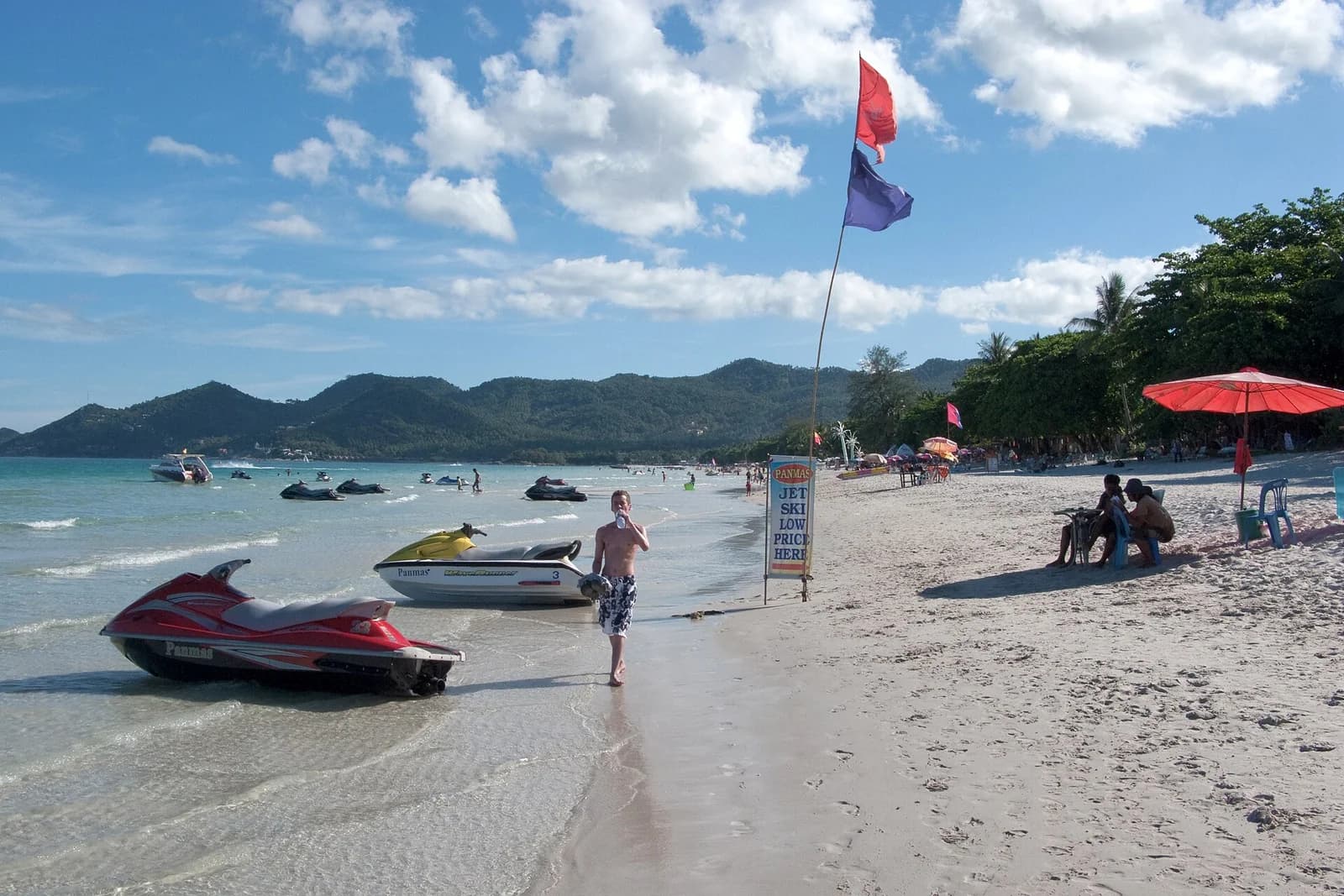
Koh Samui
Gulf-of-Thailand island with a flipped monsoon calendar — Chaweng Bay is foilable through most of the western-coast off-season.
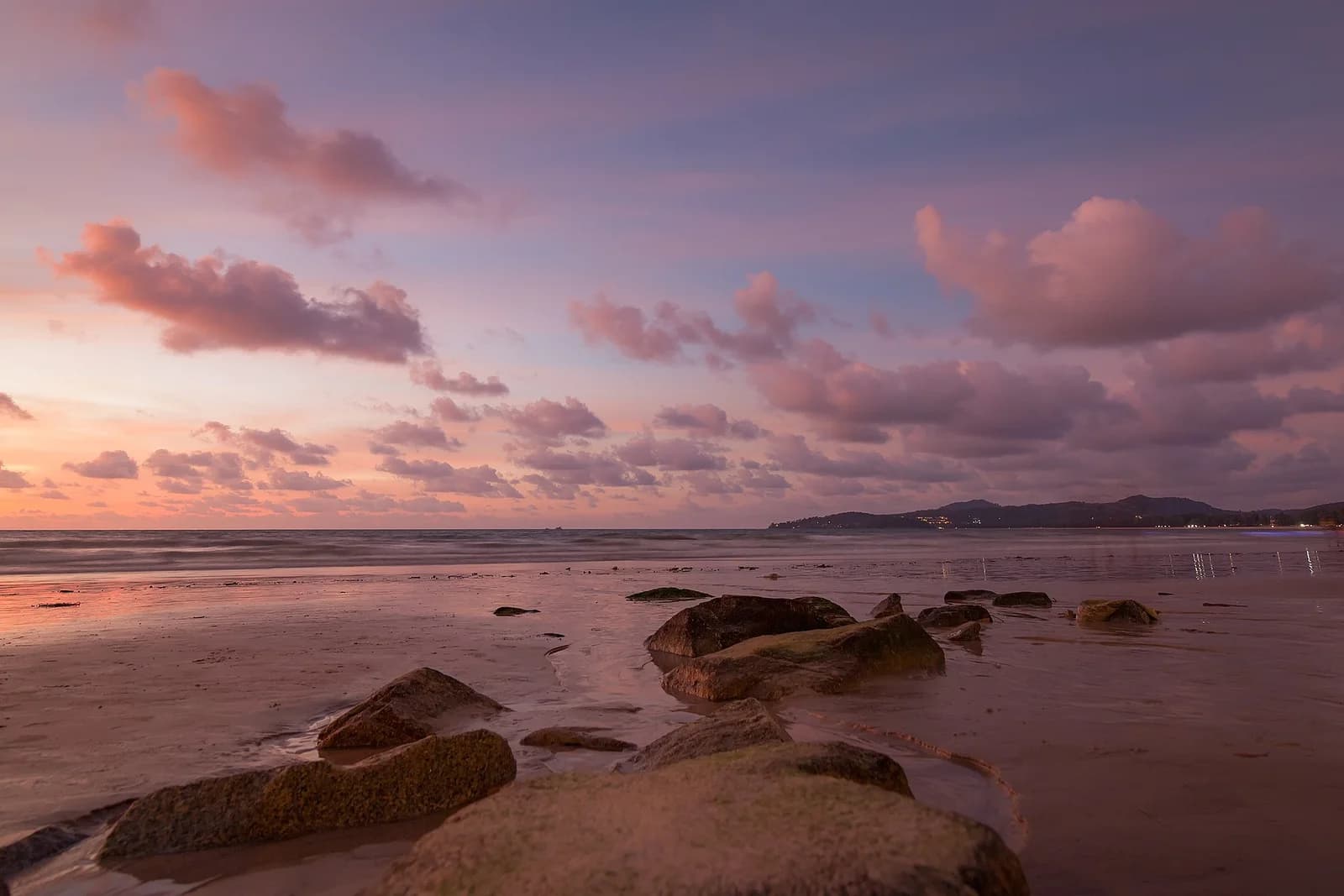
Phuket (Bang Tao)
Three-kilometer sand beach on Phuket's west coast with the cleanest dry-season foiling water on the island and an established watersports operator scene.