eFoil regulations & spots in Bahamas
eFoils are not named in Bahamian law; they fall under the Port Department's motorised-watercraft regime. Life vests, a 200 ft offshore rule, daylight-only operation and designated watersports beaches apply, with heavy jet-ski enforcement since 2025.
Regulatory overview
The Bahamas has no rule that names eFoils or electric surfboards. Powered watercraft fall under the Port Department (Ministry of Energy and Transport), which administers the Port Authorities Act (Ch. 269), the Water Skiing and Motor Boat Control Act (Ch. 278) for private craft and the Commercial Recreational Watercraft Act (Ch. 278A) for hired jet skis, parasails and banana boats. The Port Department's boating-laws booklet states that all vessels and watercraft must be registered with it before operation, and its watersports guidance is written around jet skis; an eFoil is in practice treated as a small motorised craft under that regime.
For private craft the booklet requires registration with the Port Department (Bahamian-owned craft register online or at a local port office; visitors on a cruising permit should ask the port office whether a foil board must be declared) and a life vest for anyone doing watersports. Commercial operators need a Class D operator's licence, Bahamian citizenship, a police record, a medical certificate and Bahamahost training; renters must show ID proving they are 18, receive a 15-minute orientation and wear a life jacket (Commercial Recreational Watercraft Regulations, reg. 5 and First Schedule). Insurance is compulsory for registered commercial craft. No operator licence is documented for private, non-commercial riding.
The booklet tells jet-ski riders to stay at least 200 ft from the shoreline except in authorised entry and exit channels; the commercial regulations add 100 ft from any divers-down flag and a ban on operating between sunset and sunrise. Nassau Harbour is a 5-knot no-wake zone. On New Providence, watersports are confined to venues designated by the Port Controller - Paradise Island Beach (west and east), Cable Beach (west and east), Goodman's Bay and Athol Island - and no jet-ski operations are allowed at Montagu Beach, Junkanoo Beach or the Arawak Cay area. Family Island zoning is set by the New Providence Port Authority with the local authority.
Enforcement has tightened sharply: a multi-agency Jet Ski Task Force (police, Defence Force, Port Department) has patrolled New Providence beaches since 2024, and amendments in force from July 2025 brought fixed penalties, transponders on commercial jet skis and a bar on operators riding with guests. Offences under the commercial regulations carry fines of $1,000-$5,000 or up to two years' imprisonment; by October 2025 the task force reported 28 jet skis seized and 69 citations worth $92,230. For an eFoil, ride from a designated watersports beach, stay outside the 200 ft band and swim lines, and check with the local Port Department office before importing or launching a private board.
Disclaimer
This guide summarises publicly available regulatory information as of the last-verified date above. Regulations change. Always confirm with official sources and your local maritime authority before launch.
Top eFoil spots in Bahamas
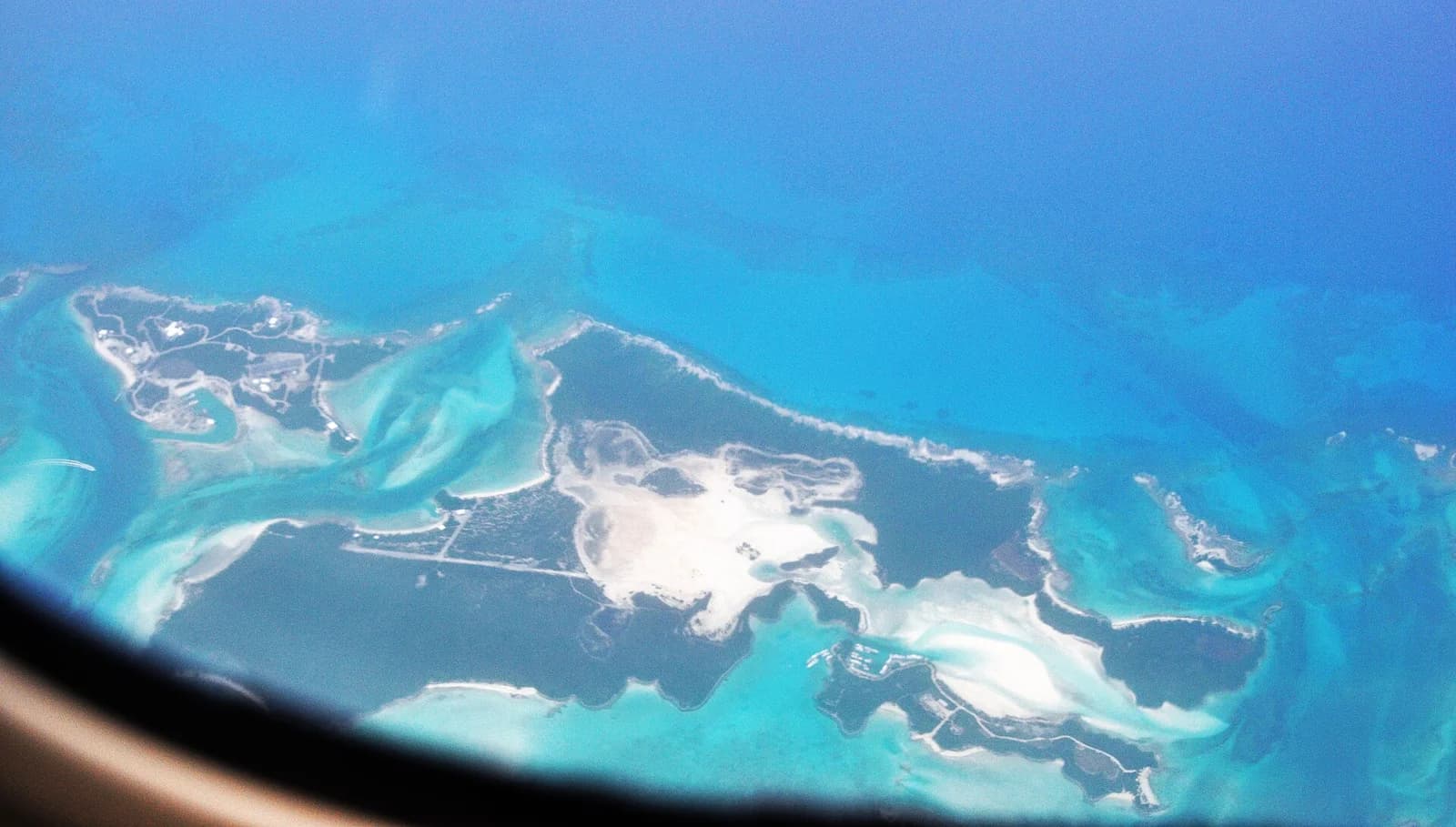
Exumas
Yacht-based eFoil cruising through the Exuma chain, with vast flats and protected anchorages — but note the Cays Land & Sea Park motorized restrictions.
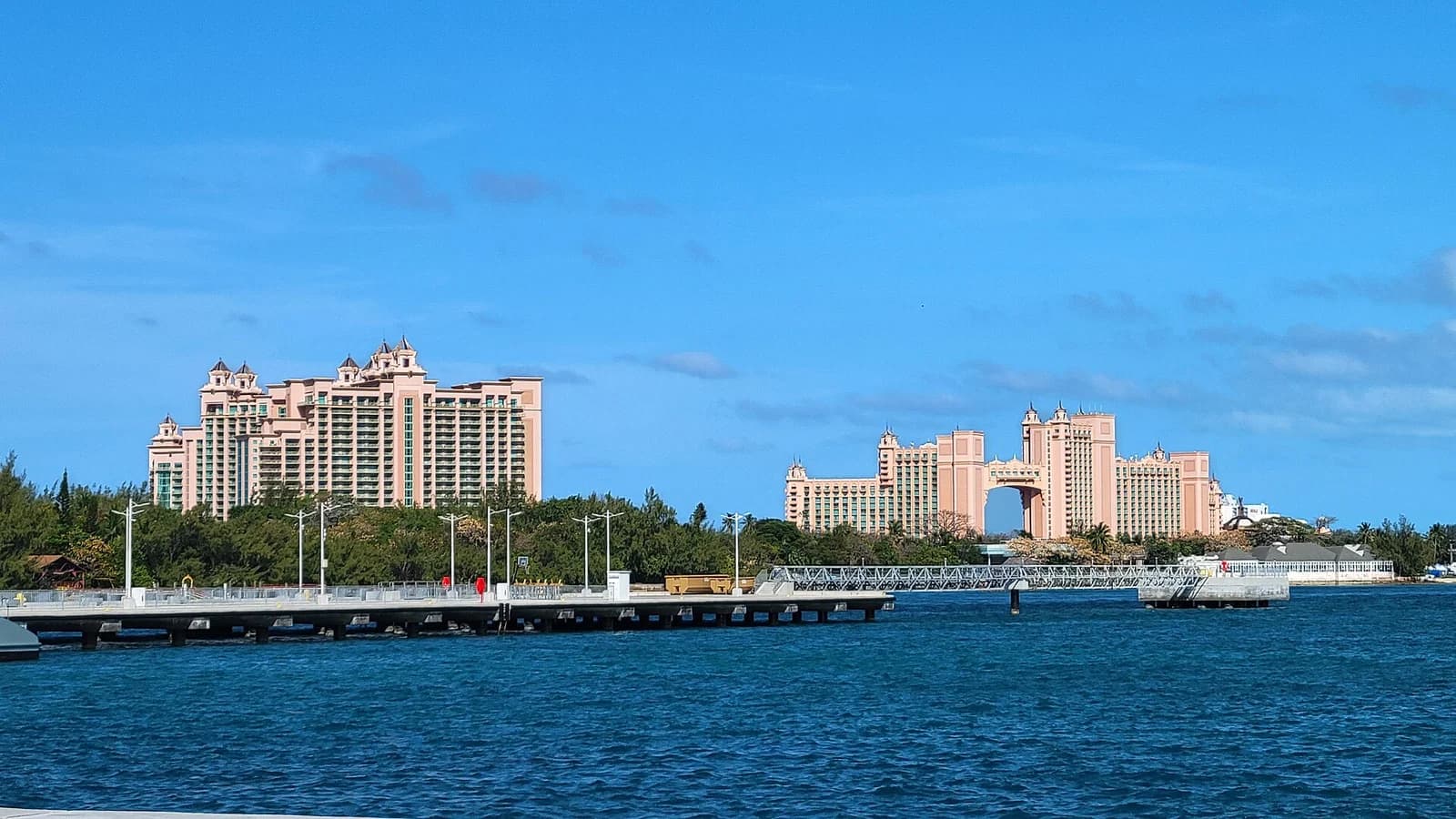
Nassau / Paradise Island
Bahamas' main hub for eFoil activity, with established operators on New Providence working flat sandy shallows on Cable Beach and Montagu Bay.