eFoil regulations & spots in Croatia
Croatia regulates eFoils as motor-powered recreational craft under the Maritime Code and the SSVO 2025 safety rules; most riders need a boat skipper licence and must stay 300 m offshore, with strict bans inside national parks like Kornati, Mljet and Brijuni.
Regulatory overview
Croatia's Pomorski zakonik (Maritime Code), administered by the Ministry of the Sea, Transport and Infrastructure (MMPI) and enforced locally by the Lučke kapetanije (Harbour Masters' Offices), governs all powered craft on the Adriatic. Although the Code predates eFoils, harbour masters consistently treat any electrically propelled board as a motorised vessel rather than as a swim aid, which means the licensing, registration, insurance and navigation rules written for jet skis and small motorboats are applied by analogy. The 2025 SSVO (Safety of Maritime Navigation) reforms tightened this position by removing the previous low-power grace zone, so even modest motors are now firmly inside the regulated scope when used on Croatian territorial waters.
For licensing, the relevant qualification is the Voditelj brodice (boat skipper) certificate issued by a Lučka kapetanija after a written and oral exam. Category B is the practical baseline for charter and PWC-style use within Croatian territorial waters, while Category A covers limited inshore operation; both are lifetime licences once obtained. An operator must hold either a Croatian skipper certificate or a recognised foreign equivalent, must be at least 18 years old to ride solo, and must wear a life jacket. Recognised foreign certificates are accepted by harbour masters at check-in.
Navigation rules are strict and actively enforced. Powered personal watercraft, including eFoils where authorities apply the PWC framework, must remain at least 300 metres from the shoreline when operating at speed, and inside ports and the inshore zone speeds are reduced to a slow, wake-free pace until the 300 m line is reached. Owners of private craft must register the vessel, pay the annual vignette (sigurnosna naljepnica) of roughly €50, and carry valid third-party liability insurance; charter and rental operators carry the registration on the user's behalf and log each rider on a daily user list submitted to the harbour master.
National parks add a further layer of restriction critical for foiling on the Dalmatian coast and in Istria. Kornati National Park requires a paid entry ticket, prohibits any access to its strict protection zones (Purara, Klint and Volić, Mrtenjak, Kolobučar and the Obručan islets) and requires that all engines have proper sound insulation, with overnighting limited to 18 designated bays. Brijuni and Mljet National Parks operate similar permit-based access caps and largely prohibit recreational PWC-style use within park waters. Riders should always confirm conditions with the local Lučka kapetanija before launching, particularly in Šibenik, Zadar, Split and Pula where foiling activity is concentrated.
Disclaimer
This guide summarises publicly available regulatory information as of the last-verified date above. Regulations change. Always confirm with official sources and your local maritime authority before launch.
Top eFoil spots in Croatia
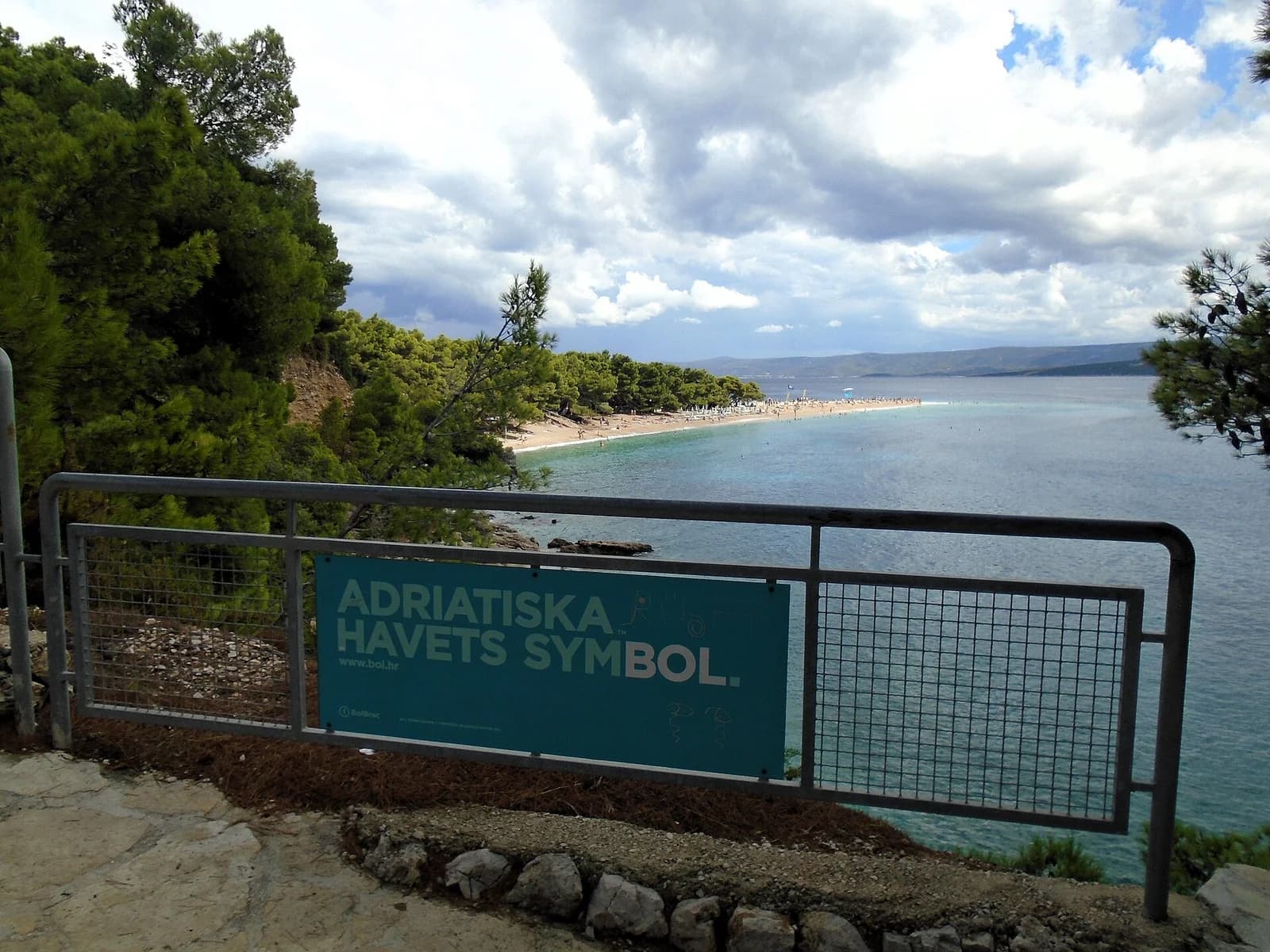
Brač — Bol / Zlatni Rat
Croatia's most iconic windsurf beach, where the Maestral funnels through the Brač Channel into pine-shaded turquoise water.
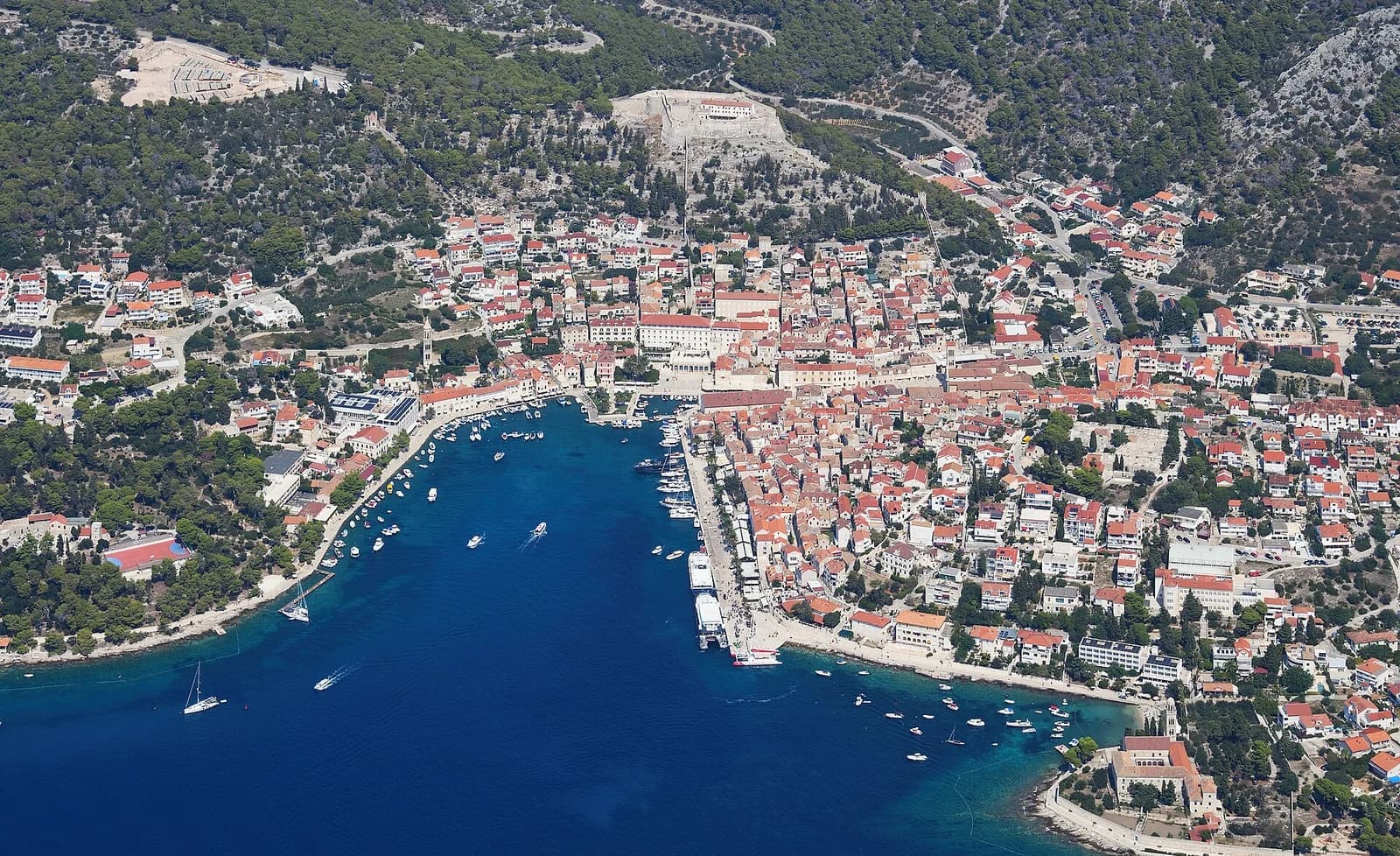
Hvar
Croatia's sun-soaked Dalmatian island offering glass-calm bays, lavender headlands, and afternoon Maestral cruising.
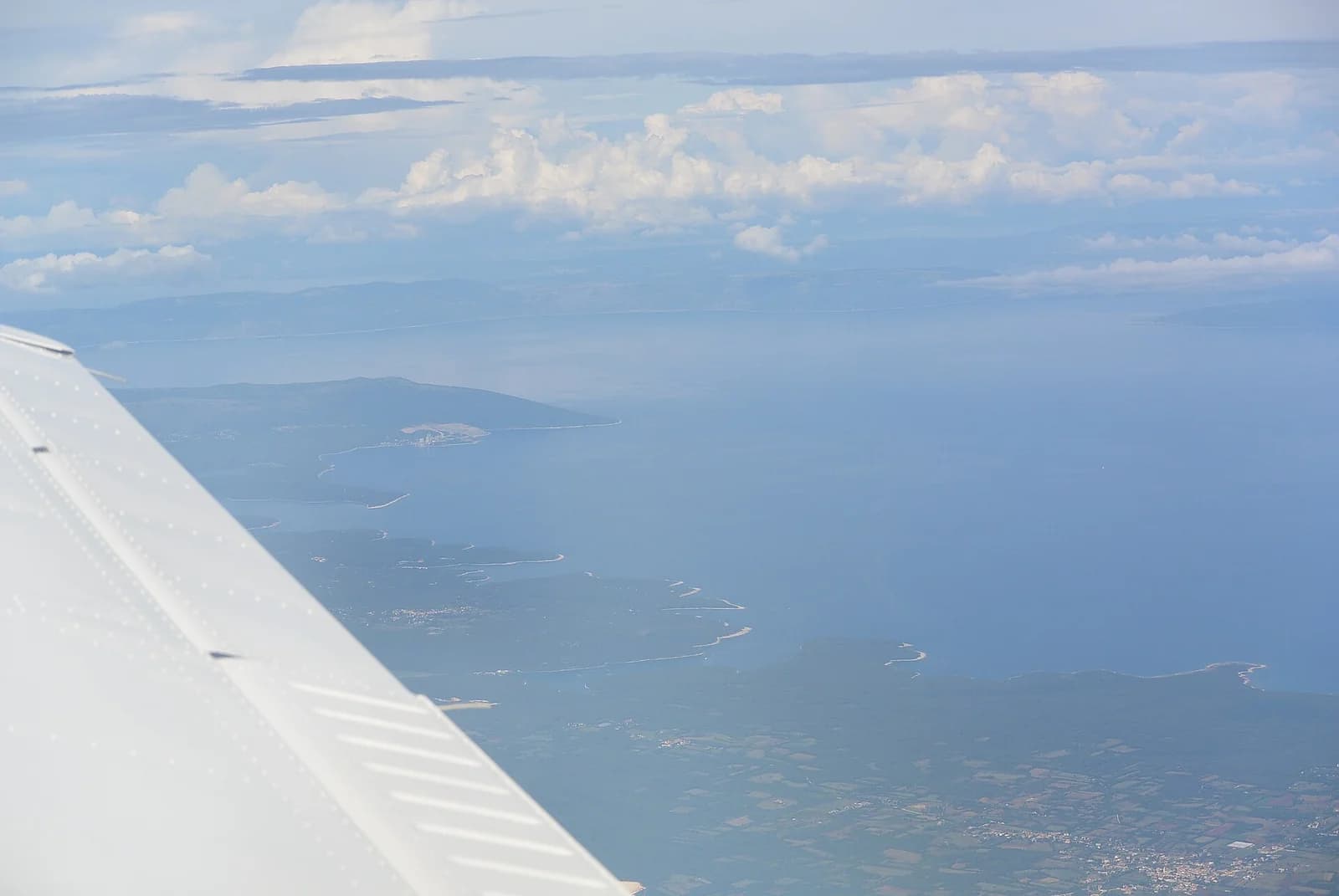
Pula / Istria Coast
Northern Adriatic eFoiling around Roman ruins and pine-fringed coves, with calmer water than Dalmatia.