eFoil regulations & spots in New Zealand
New Zealand regulates eFoils under the Maritime Transport Act 1994 and Maritime Rule Part 91. There is no national licence; the universal baseline is the 5-knot rule within 200 m of shore, structures, vessels or dive flags, plus regional council bylaws that vary considerably.
Regulatory overview
New Zealand regulates eFoils as recreational vessels under the Maritime Transport Act 1994, administered by Maritime New Zealand (MNZ). There is no national eFoil-specific licence, but riders must comply with Maritime Rule Part 91 (Navigation Safety) and the navigation safety bylaws of the regional council whose waters they use. The universal baseline is the 5-knot rule within 200 m of the shore, any structure, any vessel, or any vessel flying a dive flag, and within 50 m of another vessel or swimmer. In inland waters the 5-knot rule applies within 30 m of shore and 50 m of vessels/swimmers.
There is no nationwide minimum age for eFoils. Some regional bylaws set 15 as the minimum age for operating a powered vessel above 10 knots (e.g. Auckland, Waikato). Recreational eFoils are not required to be registered with Maritime NZ; commercial operators (rentals, schools) require MNZ Maritime Operator Safety System (MOSS) certification. Maritime Rule Part 91 requires a lifejacket of correct size for every person on vessels under 6 m, worn in situations of heightened risk; most regional bylaws (Northland, Waikato, Bay of Plenty, Auckland's proposed 2026 amendments) make wearing compulsory on craft under 6 m while underway, which captures eFoils.
Marine protected areas administered by the Department of Conservation (Cape Rodney–Okakari Point/Goat Island, Te Whanganui-A-Hei/Cathedral Cove) and DOC-managed marine mammal sanctuaries restrict motorised craft. Riders must maintain at least 50 m from marine mammals; 300 m from whales when three or more vessels are present (Marine Mammals Protection Regulations 1992). Auckland Council is consulting (4 May to 7 June 2026) on amendments to the Navigation Bylaw 2021 that explicitly introduce safety, speed and access rules for motorised hydrofoil boards and tow-foiling equipment, plus mandatory lifejackets on craft under 6 metres.
Enforcement is by Maritime New Zealand at national level and regional Harbourmasters operationally. Infringement notices up to NZ$200 apply to breaches of regional Navigation Safety Bylaws (exceeding 5 knots, lifejacket non-compliance); higher penalties under the Maritime Transport Act 1994 apply to operating a craft in a manner causing unnecessary danger. Maritime Rule amendments effective 1 December 2025 updated several Parts; Auckland's 2026 bylaw amendments are the first NZ regulations to explicitly name motorised hydrofoil boards. Riders should check the final adopted text after the 7 June 2026 consultation closes.
Disclaimer
This guide summarises publicly available regulatory information as of the last-verified date above. Regulations change. Always confirm with official sources and your local maritime authority before launch.
Top eFoil spots in New Zealand
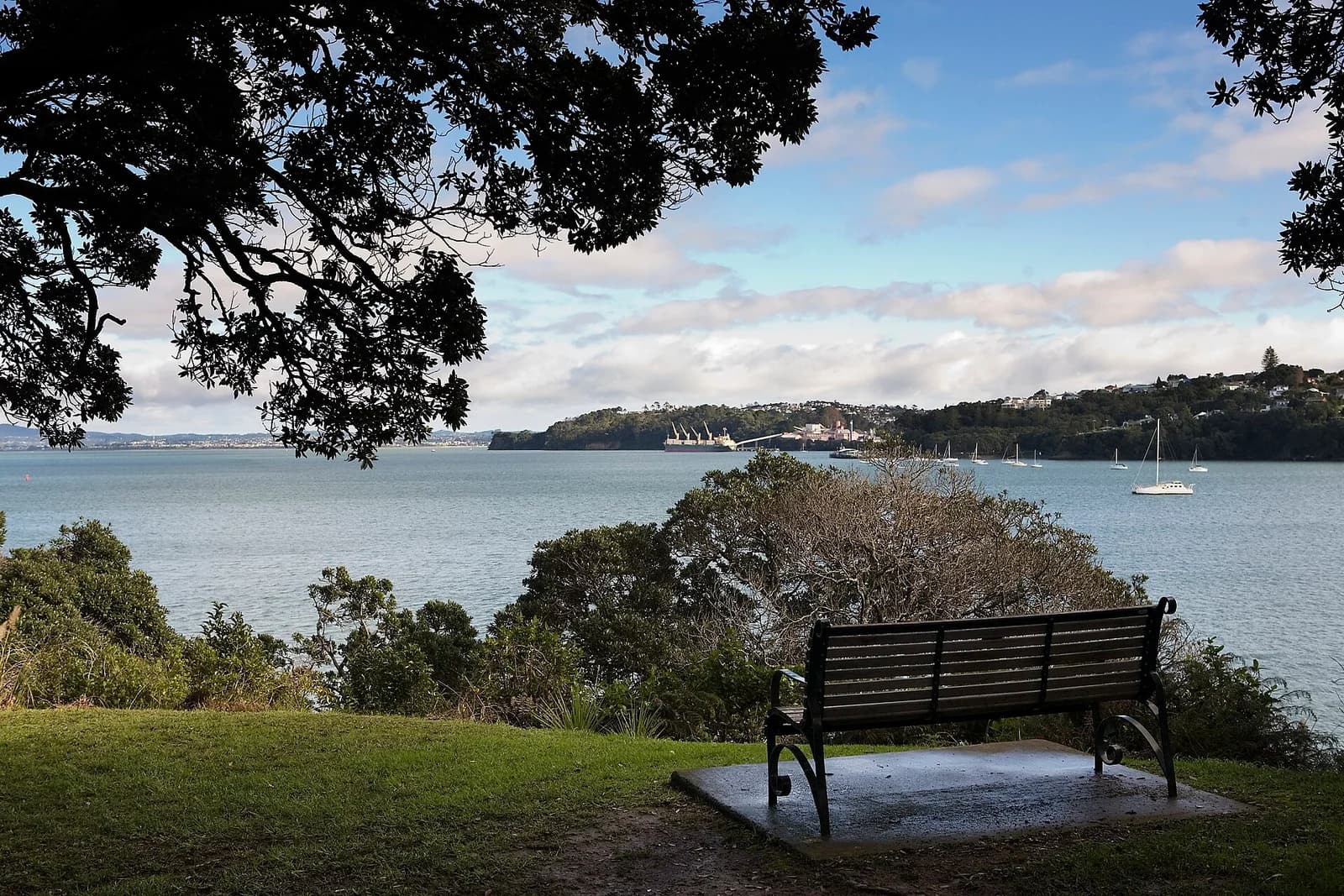
Auckland (Waitemata Harbour)
City of Sails harbour with 50+ launch points from Mission Bay to Devonport, glassy dawn windows under the Harbour Bridge, and reliable westerlies by 11am.
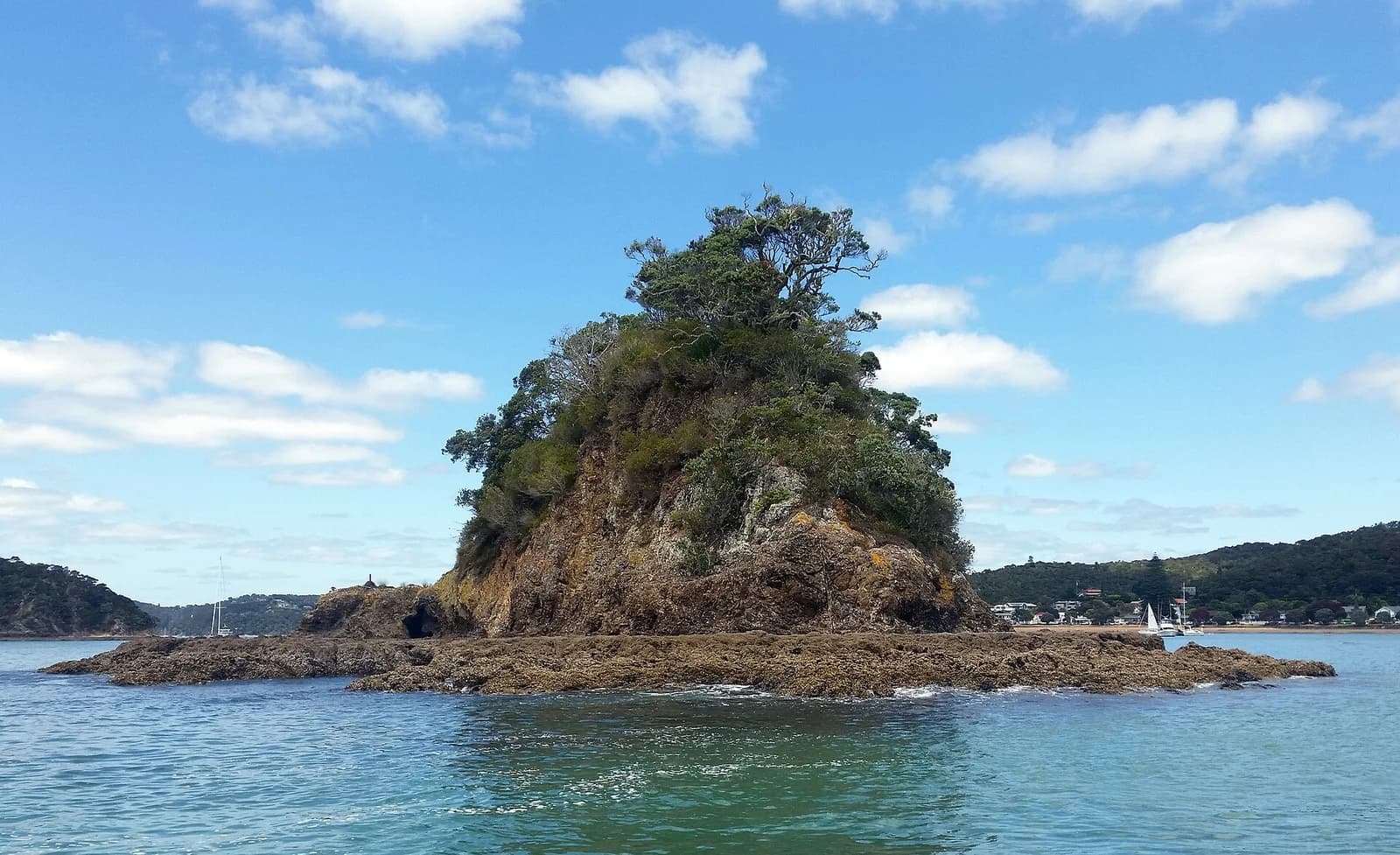
Bay of Islands (Paihia)
Subtropical Northland archipelago with 144 islands, glassy dawn sessions and sheltered coves perfect for first-timers and long downwind cruises alike.
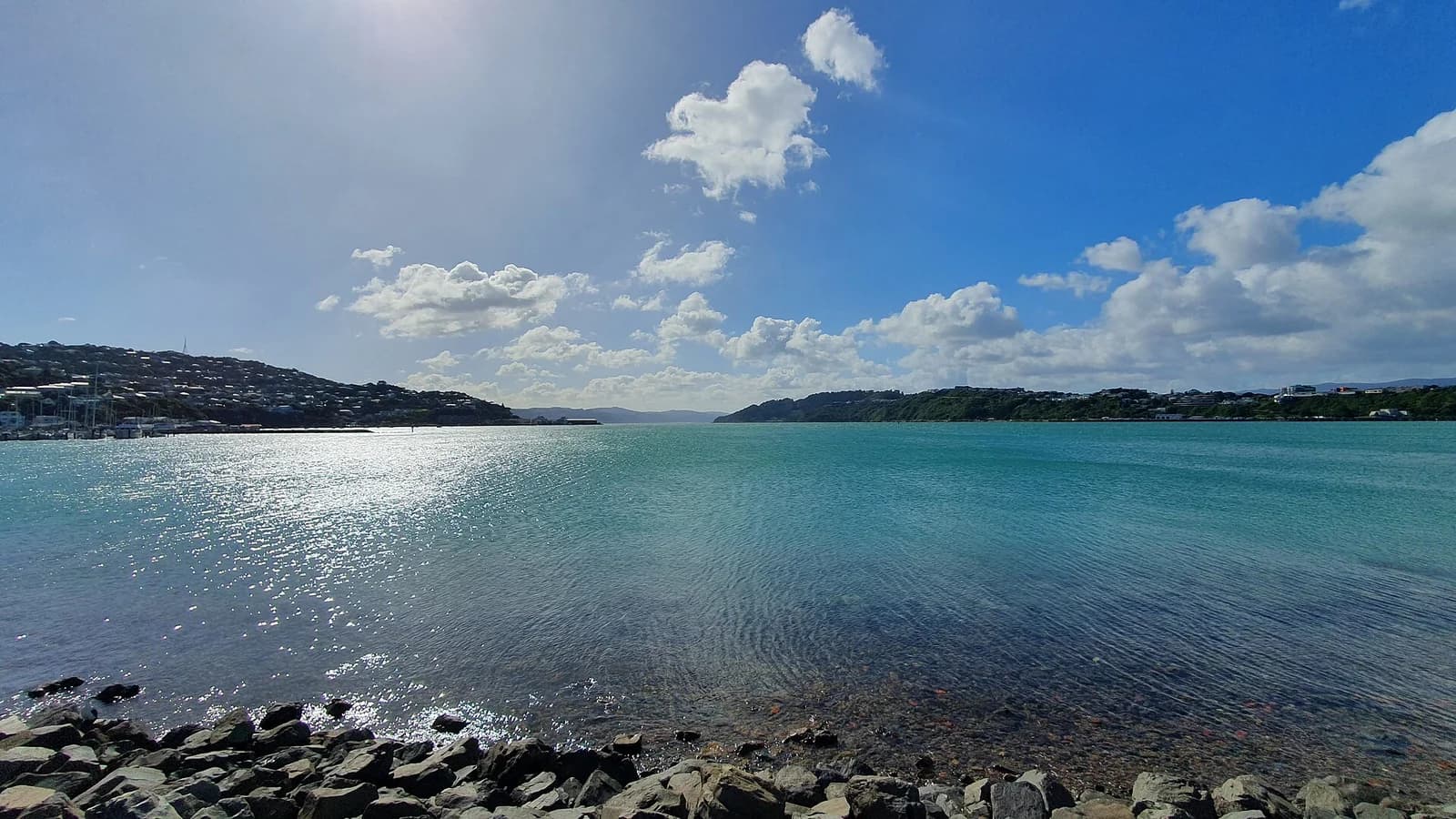
Wellington (Evans Bay)
Wellington's most foilable corner, a flat-water bay shielded from the southerly that flattens the rest of the harbour, with a marina launch and city-skyline views.