eFoil regulations & spots in Türkiye
Legal but zoned. Port regulations bar every craft, jet-skis included, from buoyed swimming areas up to 200 m off beaches (1 April-15 November) and require harmless speed in harbours and bays; the Amateur Seaman's Certificate regime is triggered only by engines of 10 hp or more.
Regulatory overview
No Turkish rule names eFoils or electric surfboards. Recreational craft are regulated by the Ministry of Transport and Infrastructure (Ulaştırma ve Altyapı Bakanlığı) through its Directorate General of Maritime Affairs and the local harbour masters (liman başkanlıkları), which apply the Ports Regulation (Limanlar Yönetmeliği, 2012) and the Private Boats Regulation (Özel Teknelerin Donatımı ve Özel Tekneleri Kullanacak Kişilerin Yeterlikleri Hakkında Yönetmelik, 17 January 2026). A board is a 'deniz aracı' (sea craft) for the port rules but sits outside the private-boat licensing scheme.
The 2026 regulation defines an 'özel tekne' as a non-commercial craft with a hull length of 2.5-24 m recorded in the mooring register (bağlama kütüğü), and requires an ADB 10 Amateur Seaman's Certificate to operate one up to 10 m. Article 5(8) exempts users of craft whose engine is under ten horsepower, rowing boats, canoes and kayaks, and racing-class dinghies and windsurfers from needing an ADB at all. A typical eFoil is shorter than 2.5 m and, in most models, under 10 hp (about 7.4 kW), so neither the certificate nor the bağlama kütüğü registration obviously applies; a board rated above 10 hp is a grey area worth clearing with the harbour master. ADB 10 applicants must be at least 16, with under-18s needing notarised consent and adult supervision afloat. Life jackets are mandatory equipment on registered private boats, but no rule for boards was found.
The Ports Regulation, as applied by harbour masters, sets the practical limits: within port boundaries, at beaches and in front of coastal hotels, holiday villages and housing estates, swimming areas extending up to 200 m from shore are marked with floats from 1 April to 15 November each year, and no ship or sea craft, jet-skis included, may enter them. Sport, excursion and pleasure craft, again including jet-skis, must move inside harbours, breakwaters and bays at a speed that neither obstructs nor endangers other craft, and fishing, sailing, rowing, other water sports and swimming are prohibited in approach channels, breakwater mouths, berths and anchorages. Harbour masters may redraw zones and halt activities. Commercial water-sports operators must work at least 200 m offshore through marked entry and exit corridors limited to 3 knots. Bodrum's former port regulation (2007) carried the same 200 m beach rule; Alaçatı falls under the Çeşme harbour master's seasonal notices.
Enforcement is by the Coast Guard (Sahil Güvenlik) and harbour-master inspectors; penalties are not itemised in the sources found. Rules are national but zoning is local, so check the current harbour-master notice for Bodrum, Çeşme/Alaçatı or Göcek, ride outside the swimming buoys, keep clear of harbour mouths and anchorages, and carry ID and, if the board exceeds 10 hp, an ADB.
Disclaimer
This guide summarises publicly available regulatory information as of the last-verified date above. Regulations change. Always confirm with official sources and your local maritime authority before launch.
Top eFoil spots in Türkiye
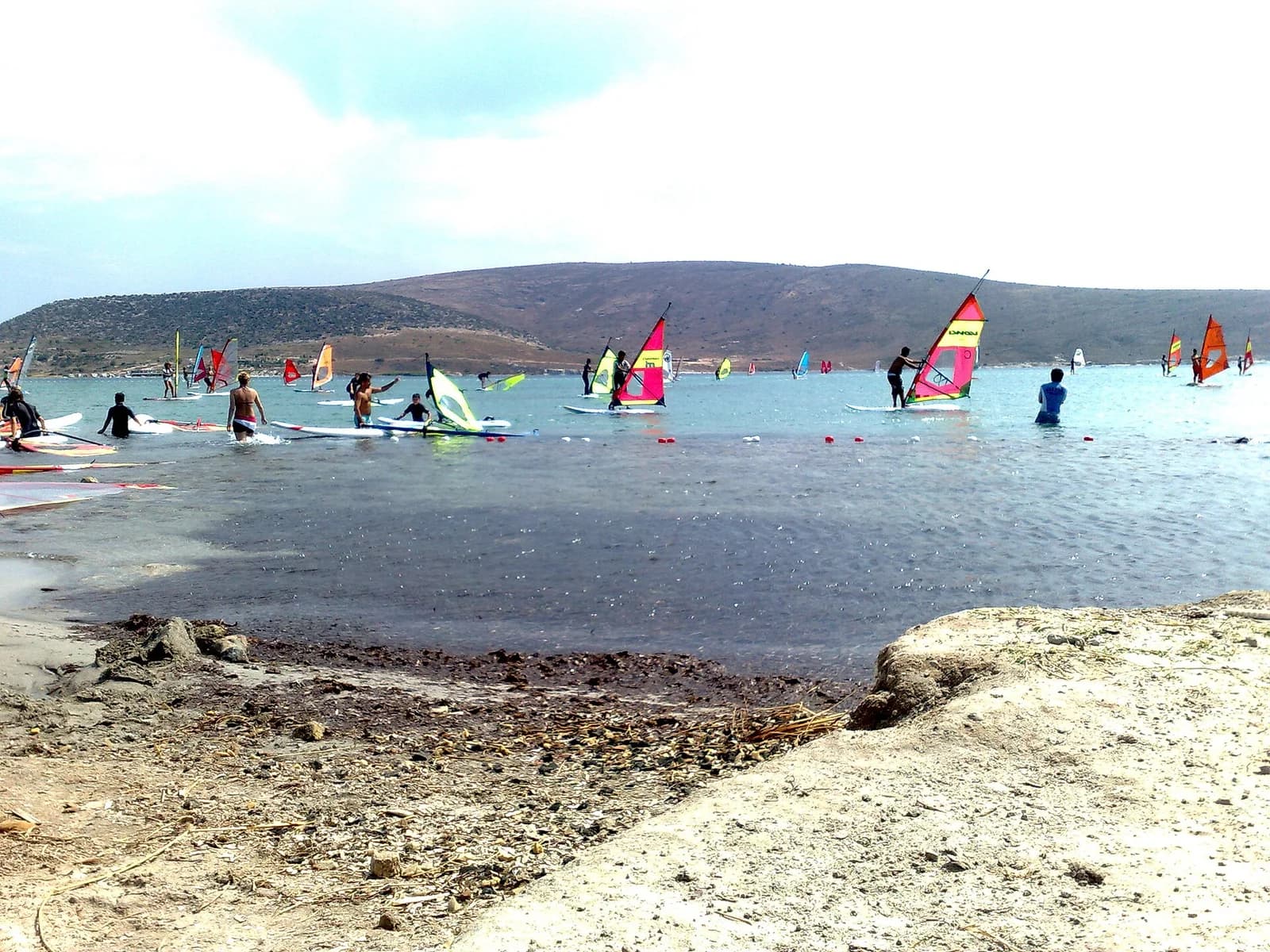
Alaçatı
One of the world's most consistent windsurf bays — a shallow flatwater lagoon built for foiling progression.
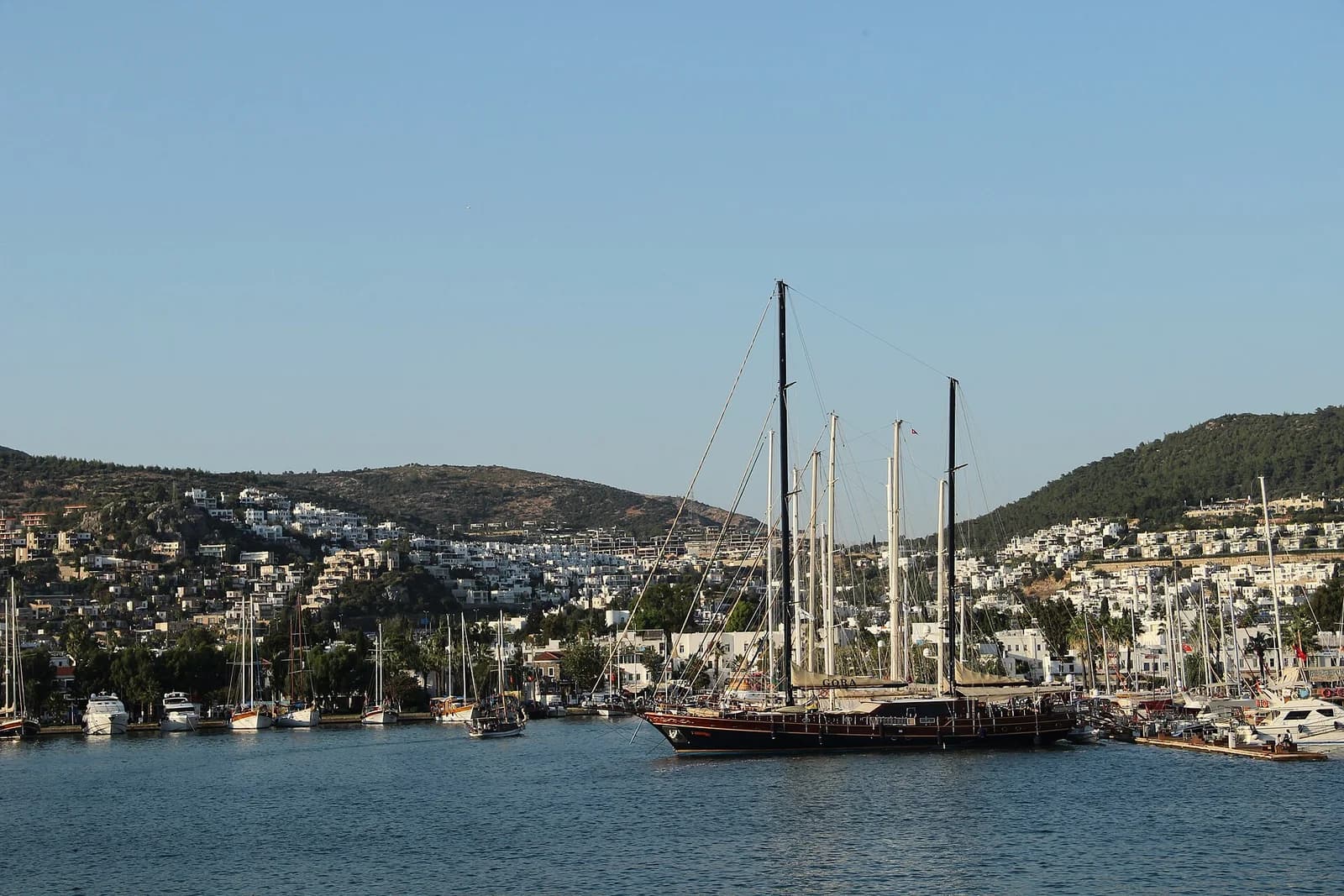
Bodrum / Bodrum Peninsula
Türkiye's Aegean playground — dozens of bays, a daily Imbat thermal, and yacht-grade infrastructure.