eFoil regulations & spots in Greece
eFoils are legal but tightly regulated under Greece's General Port Regulation No. 20 (GKL 20). Powered foilboards are treated like PWC: minimum 200 m from yellow swim-zone buoys, ταχύπλοο licence required, registration with the Λιμενικό, and strict no-go zones in NATURA 2000 marine areas.
Regulatory overview
Greece classifies powered watercraft (ταχύπλοα/ταχυκίνητα σκάφη και λοιπά θαλάσσια μέσα αναψυχής) under the General Port Regulation No. 20 (Γ.Κ.Λ. 20, ΦΕΚ 444/Β/26-04-1999, as amended). The Hellenic Coast Guard (Λιμενικό Σώμα — ΛΣ-ΕΛΑΚΤ) under the Ministry of Maritime Affairs interprets this regulation to include motor-driven recreational craft such as jetskis, jetboards and electric hydrofoils. Although GKL 20 predates eFoils, port authorities have consistently applied the same framework: registration, licensing and distance rules apply.
Requirements typically enforced by local port authorities (Λιμεναρχεία) include: a valid Greek high-speed craft operator licence (άδεια χειριστή ταχυπλόου σκάφους) issued via Gov.gr after a 6-hour theoretical and 6-hour practical course plus written and practical exams, with a minimum age of 18; a personal flotation device for every rider, and in many rental settings a helmet and impact vest; registration of the craft with the local port authority and visible name/port markings on both sides; and operation only between sunrise and sunset, with prohibition during sea state above Beaufort 5.
Key restrictions: a minimum 200 metres from the yellow bathing-zone buoys (πλωτές κίτρινες σημαδούρες) marking organised swimming areas, or 300 metres from shore where no buoys are present; speeds above 5 knots are forbidden within 500 metres of any coastline; operation inside marked swim zones is prohibited, and launch/landing must use designated corridors. Afternoon quiet hours apply June–September between 14:00–17:00 in residential/tourist coastal areas. NATURA 2000 marine sites (Alonissos National Marine Park, parts of Zakynthos for the Caretta caretta turtle, Gyaros, parts of Crete and the Ionian) carry additional or total prohibitions on motorised watercraft.
Enforcement is handled by the Hellenic Coast Guard, which conducts patrols especially in busy summer regions like the Cyclades, Ionian, Halkidiki and Crete. Penalties for unlicensed operation, breaching the 200 m bathing-zone limit, or operating in protected areas can include fines, confiscation of the craft and criminal charges. Regional variation is significant: each Λιμεναρχείο issues local port directives (Ειδικοί Κανονισμοί) that may further restrict launch points, hours and zones — Mykonos, Paros, Santorini and Corfu in particular have stricter local rules due to bathing density. Operators are strongly advised to contact the local port authority in advance, especially for private (non-rental) eFoil use.
Disclaimer
This guide summarises publicly available regulatory information as of the last-verified date above. Regulations change. Always confirm with official sources and your local maritime authority before launch.
Top eFoil spots in Greece
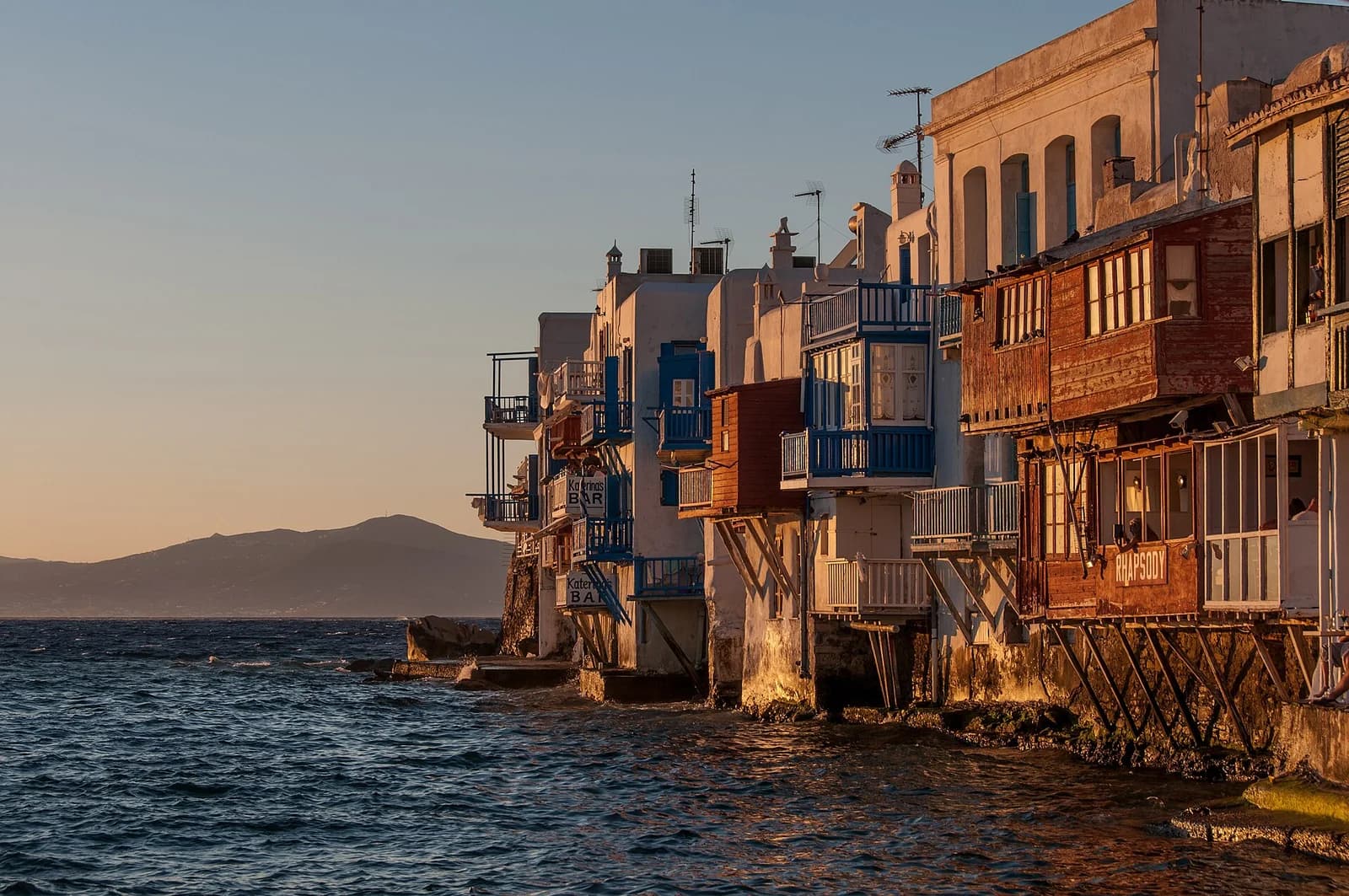
Mykonos
Cycladic glamour with serious Meltemi muscle — south-coast bays stay rideable when the north shore goes wild.
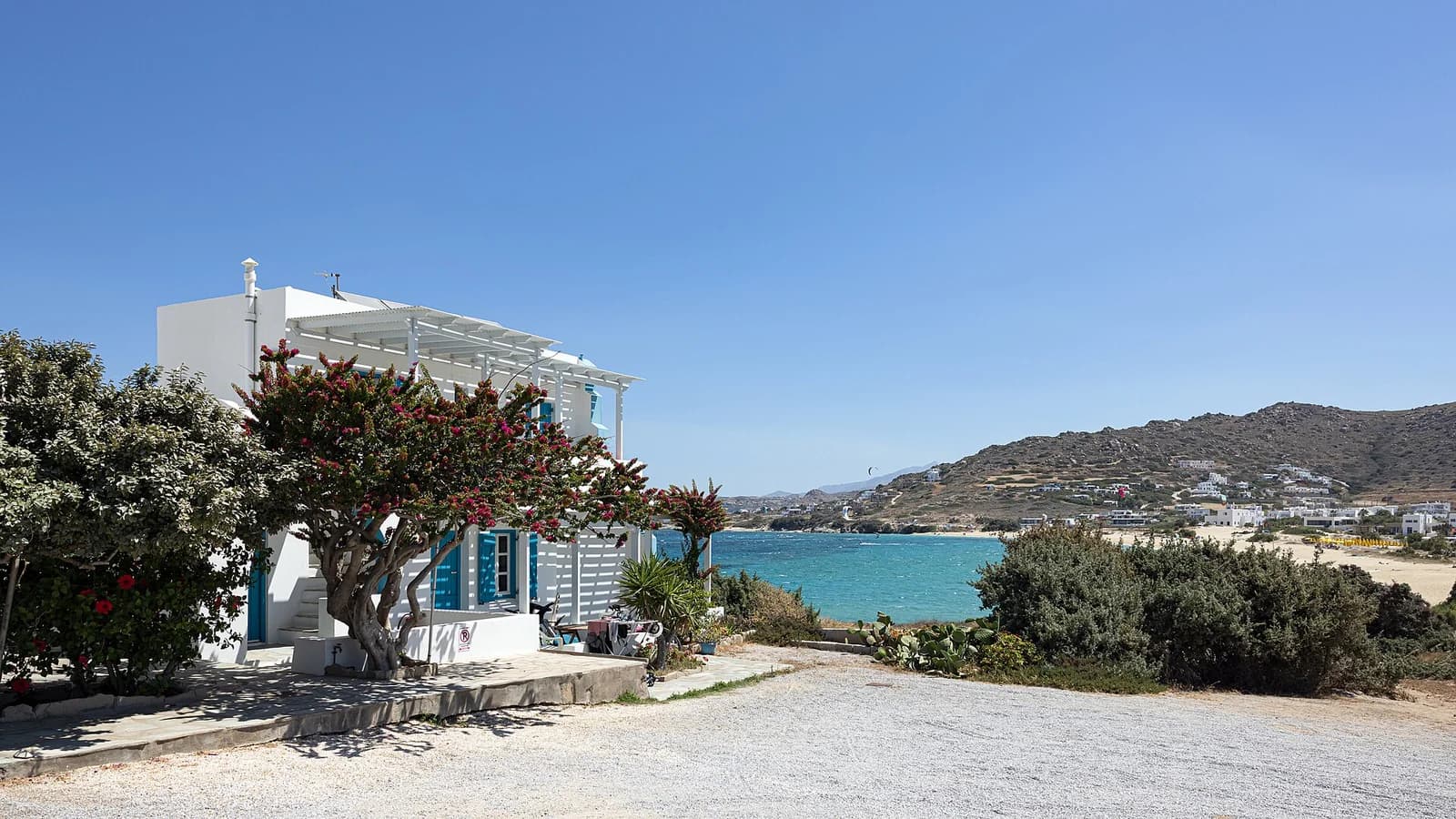
Naxos — Mikri Vigla
Cyclades' most consistent wind beach — a single granite headland that delivers both flat water and rolling Aegean swell.
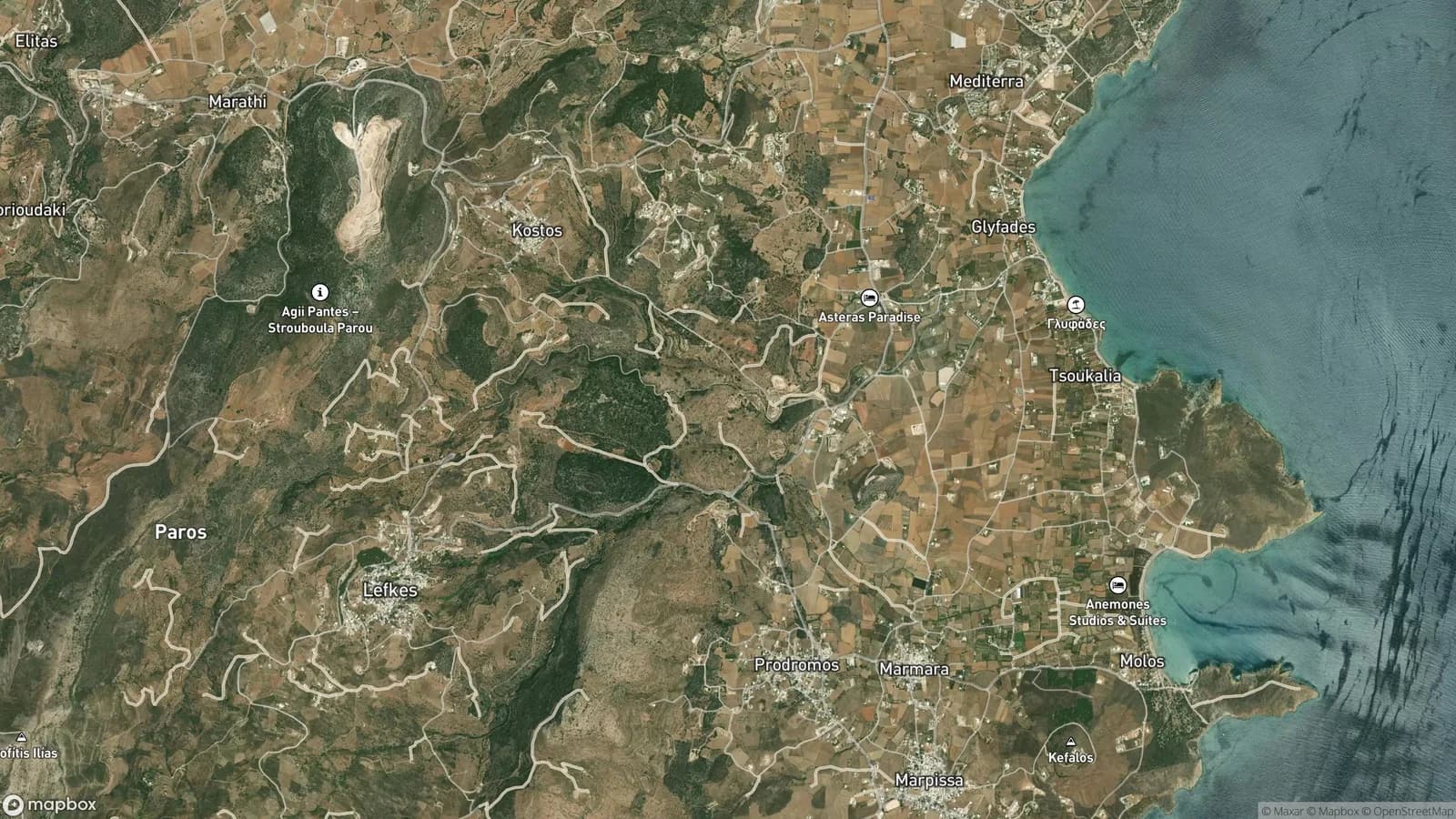
Paros — Pounta / Golden Beach
A long-running Cyclades windsurf hub with a flatwater channel at Pounta and rolling Meltemi swell at Golden Beach.