eFoil regulations & spots in Norway
Norway has no dedicated eFoil law. After the 2017 repeal of the vannscooter regulation, eFoils sit on equal legal footing with regular small recreational craft — no licence or registration for typical consumer boards, but the universal 5-knot rule within 50 m of bathing applies.
Regulatory overview
eFoils in Norway are not addressed by any dedicated law; they fall under the general framework for recreational craft (fritidsfartøy) regulated by Sjøfartsdirektoratet and the Småbåtloven. The dedicated PWC regulation (vannscooterforskriften) was repealed on 18 May 2017, and personal watercraft now sit on equal legal footing with regular boats. Practically, this means an eFoil is treated as a small motorised recreational craft: the operator must comply with the general duties of due care, give way to swimmers, and observe a nationwide 5-knot rule within 50 metres of active bathing. Local municipalities retain authority under Havne- og farvannsloven and Motorferdselloven to set stricter speed, zone or access rules.
No licence is required to operate a typical eFoil. The Båtførerbevis (boating licence under the Småbåtloven) is mandatory only for persons born on or after 1 January 1980 who operate a recreational craft over 8 metres in length OR with engine power above 25 hp. Standard eFoils are well below both thresholds (typically 2–2.4 m and under 25 hp equivalent in propulsive output). A separate Høyhastighetsbevis (high-speed certificate, introduced in spring 2023) is needed for any recreational craft capable of 50 knots or more; current consumer eFoils peak around 25–30 knots and therefore do not require it. Operators under 16 are by analogy limited to craft under 8 m and 10 hp; many rental and school operators set their own minimum age of 16 or 18.
Recreational craft under 15 m do not have to be registered; the Skipsregister/Småbåtregisteret is voluntary. Third-party liability insurance is not legally mandatory but is strongly recommended and is required by virtually all rental schools and many marinas. The eFoil must be CE-marked under the Forskrift om produksjon og omsetning av fritidsfartøy og vannscootere. The Småbåtloven §23a requires an approved redningsvest (PFD) for each person on board when underway; a kill-switch leash is standard on eFoils and effectively required by the duty of due care.
Use is prohibited inside marked bathing areas, inside naturreservater and other verneområder where motorised vessels are excluded, in fairways and harbour zones with local bans, and in freshwater lakes/vassdrag covered by Lov om motorferdsel i utmark — most inland waters are closed to motorised craft unless specifically opened by the kommune. The historical 300 m jet-ski rule was abolished with the 2017 repeal, but many municipalities (Oslo, Bergen, parts of Vestfold/Agder) retain coastal speed/exclusion zones under local Havne- og farvannsloven forskrifter. Operators must check the local kommunale forskrift for the relevant municipality before launching.
Disclaimer
This guide summarises publicly available regulatory information as of the last-verified date above. Regulations change. Always confirm with official sources and your local maritime authority before launch.
Top eFoil spots in Norway

Bergen (Byfjorden)
Norway's wettest city sits on a sheltered fjord ringed by mountains, with launch options around Askoy and toward the open Sotra coast.
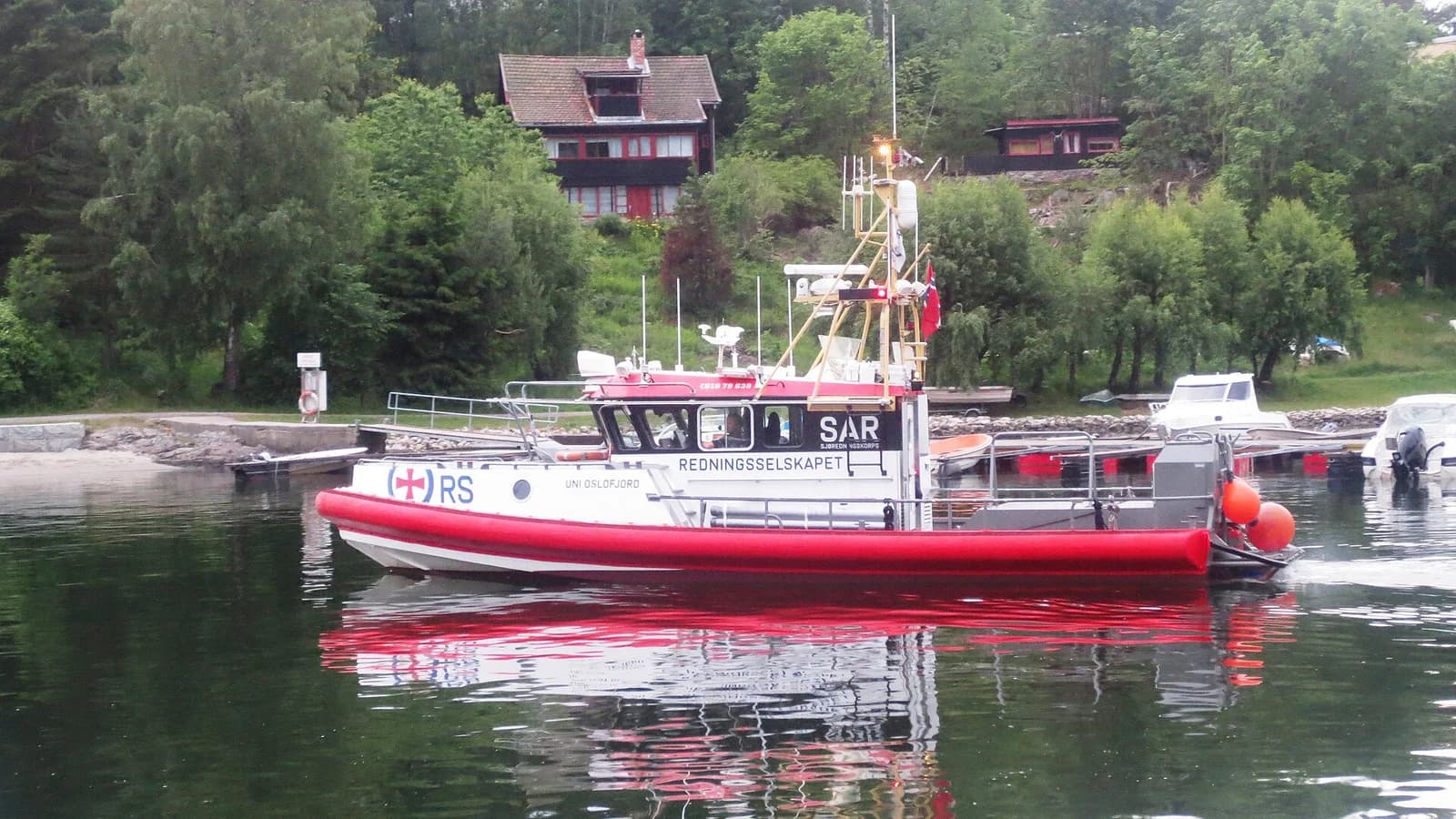
Oslofjord
Norway's capital fjord offers protected inner basins, glassy mornings, and easy launches from Bygdoy, Aker Brygge and the Nesodden side.
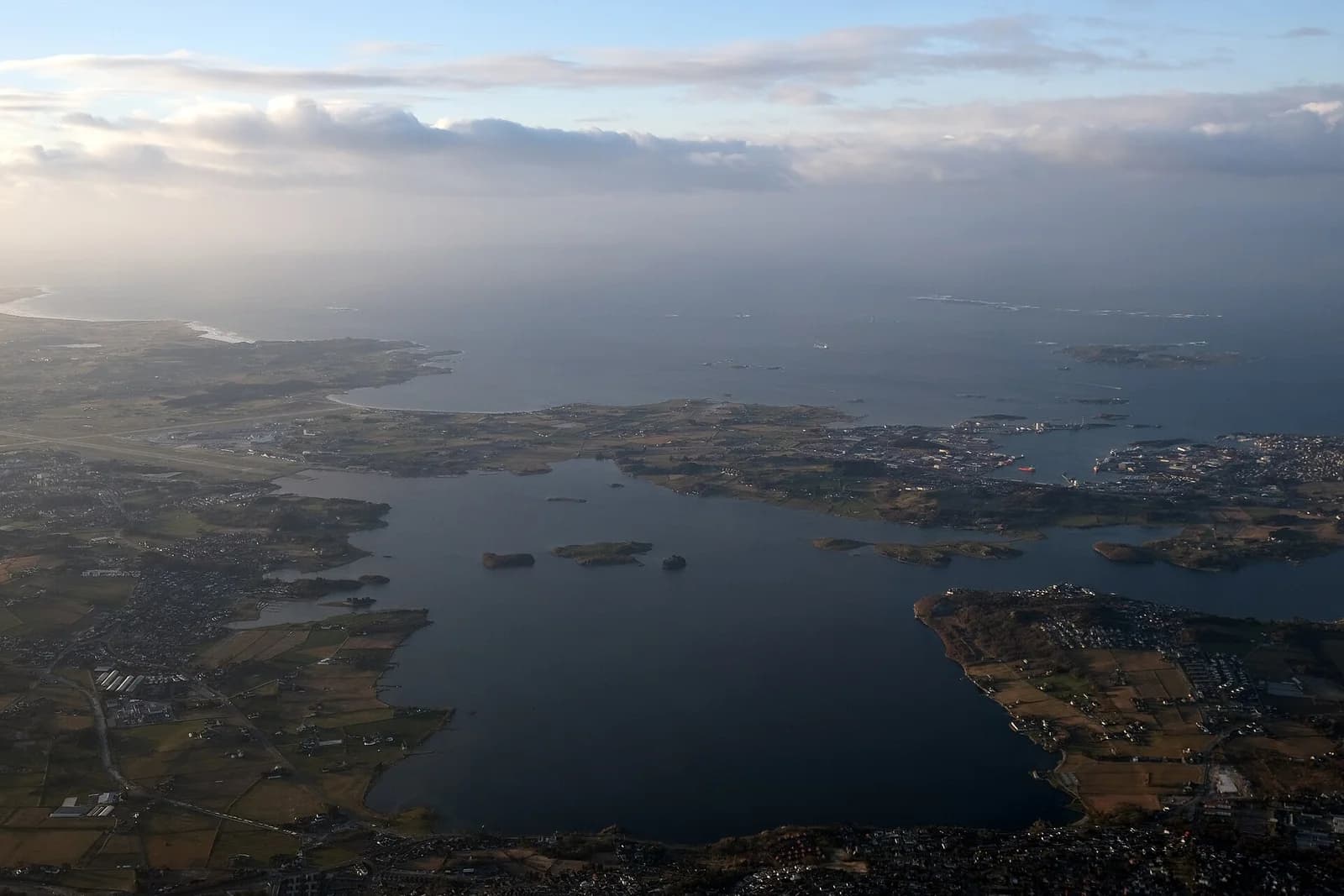
Stavanger (Hafrsfjord)
South-west Norway's oil capital fronts a sheltered fjord at Hafrsfjord plus the open Solastranden coast, with consistent Atlantic winds.