eFoil regulations & spots in South Africa
eFoils fall under SAMSA's National Small Vessel Safety Regulations (Merchant Shipping Act 57 of 1951); a Category R skipper's licence is generally required for powered craft, and Marine Protected Areas plus municipal swim zones impose extensive geographic restrictions.
Regulatory overview
South Africa treats eFoils as small powered recreational vessels under the Merchant Shipping Act, 1951 and the National Small Vessel Safety Regulations of 2007, administered by SAMSA. Although the regulations were drafted before electric hydrofoils existed, the enforcement framework captures any motor-driven craft used on inland waters or at sea. Most consumer eFoils produce well above the 15 hp self-regulation threshold equivalent in propulsive power; the prudent operating assumption is that they require licensing and registration treatment similar to a PWC.
Operator requirements include holding the appropriate SAMSA skipper's certificate, with Category R covering inland waters (dams, rivers, lakes, lagoons, harbours and sheltered zones), and Categories E, C and B covering progressively further offshore. Applicants must be at least 16 years old, hold a certificate of medical fitness, and complete logged sea-service hours. Lifejackets are mandatory carry-and-wear safety equipment, the vessel must carry a SAMSA buoyancy certificate, and a Certificate of Fitness plus a registered hull number is expected for craft used at sea.
Waterway access is heavily zoned. The Department of Forestry, Fisheries and the Environment (DFFE) and SANParks manage 42 Marine Protected Areas covering roughly 15.5% of the EEZ; sanctuary and wilderness zones bar motorised recreational craft outright, while restricted and controlled zones may permit transit or activity only under permit. Municipal by-laws, particularly the City of Cape Town Coastal By-law and Western Cape provincial PWC zoning, define swimmer-only beaches, designated launching sites and 100-metre / low-speed corridors near shore. Iconic spots such as False Bay, Hout Bay, Langebaan Lagoon, the Garden Route estuaries and KZN's iSimangaliso are wholly or partly inside MPAs, so launching there is conditional rather than free.
Enforcement is shared between SAMSA surveyors, SAPS Water Wing / Marine units, DFFE and SANParks Marine Rangers, and provincial nature conservation officers (CapeNature, Ezemvelo KZN Wildlife). Compliance practice varies regionally: the Western Cape (Cape Town, Langebaan) actively patrols PWC zones and licence compliance, KwaZulu-Natal applies stricter access controls along the iSimangaliso coastline and at estuary mouths, and the Eastern Cape's Garden Route enforces estuary management plans at Knysna and Wilderness. Riders should treat an eFoil as a licensable PWC, carry proof of skipper's certificate and CoF, wear a PFD, and confirm zoning with the launch site's controlling authority before each session.
Disclaimer
This guide summarises publicly available regulatory information as of the last-verified date above. Regulations change. Always confirm with official sources and your local maritime authority before launch.
Top eFoil spots in South Africa
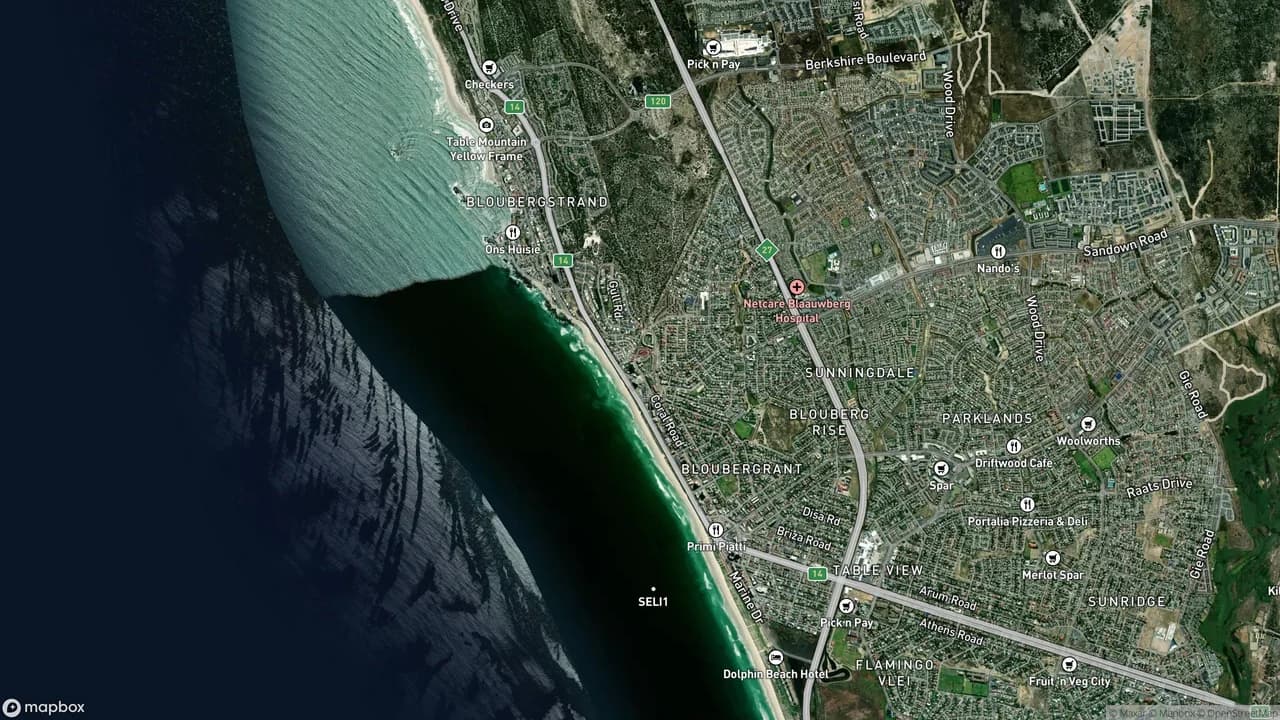
Cape Town
Where the Atlantic meets the Indian — Bloubergstrand glass mornings, False Bay shelter, and the Cape Doctor in the afternoon.
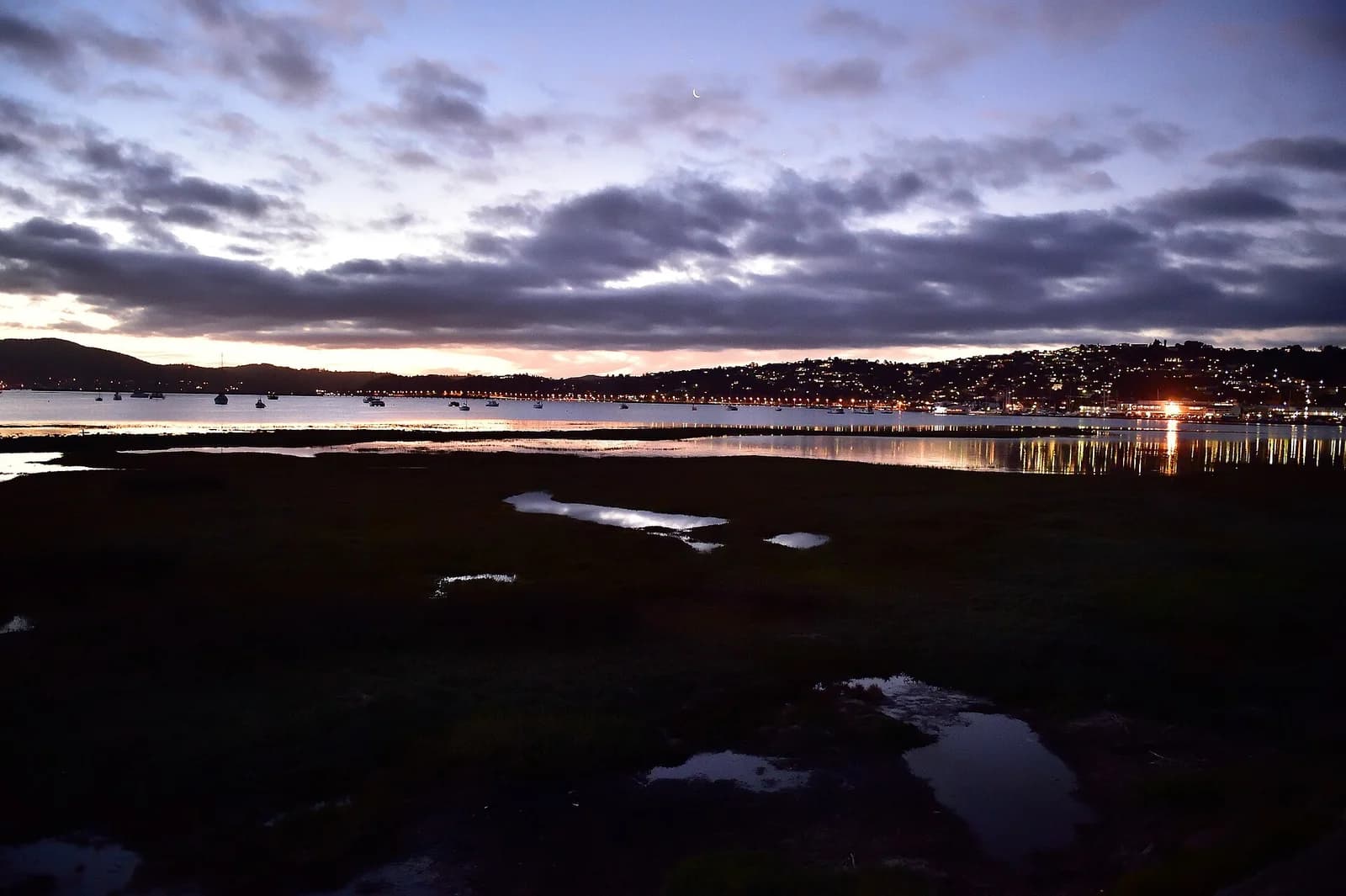
Knysna Lagoon
Forest-edged Garden Route lagoon with sheltered flat water inside the Heads — ideal for beginner eFoil sessions and quiet exploration.
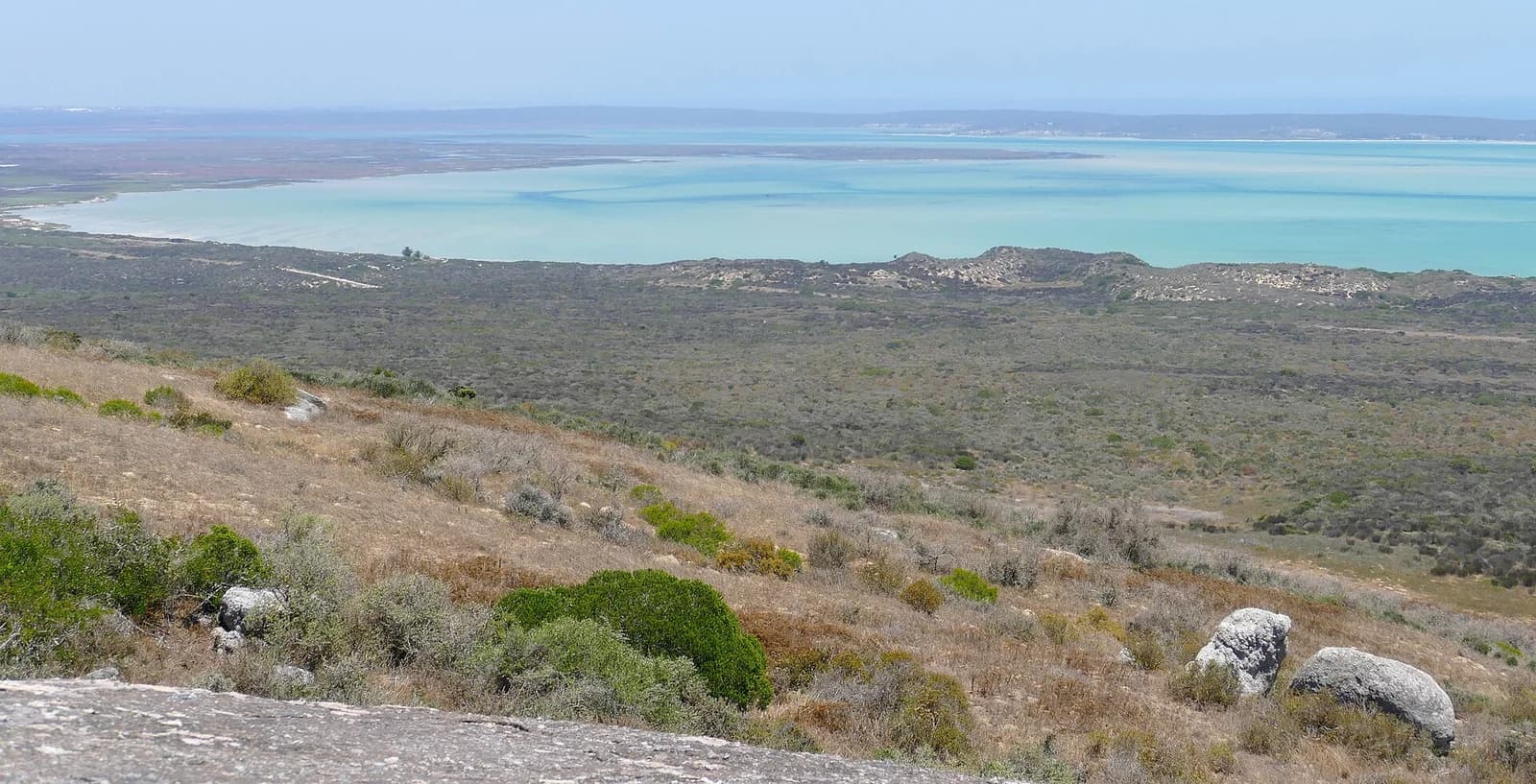
Langebaan Lagoon
South Africa's flat-water capital — a 17 km tidal lagoon north of Cape Town with steady summer southerlies, knee-deep launches, and zero swell.
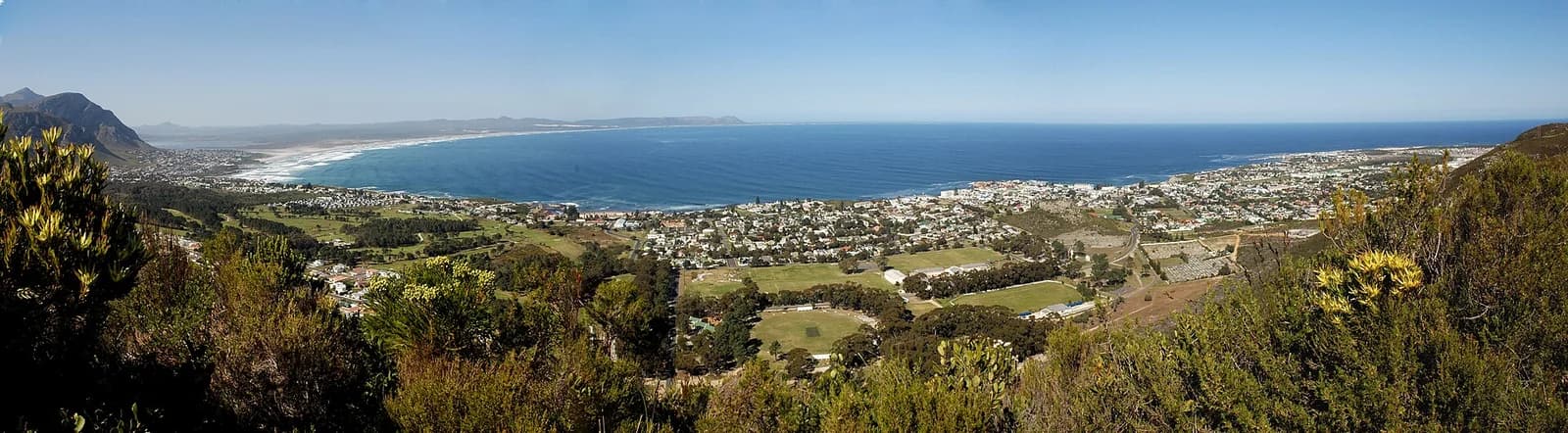
Walker Bay (Hermanus)
Wide Overberg bay east of Cape Town with reliable summer southerlies, real ocean swell, and a hard whale-season closure for any motorized craft from June to November.