eFoil regulations & spots in Spain
eFoils in Spain are regulated as motorised recreational craft under the moto náutica / vehículo náutico framework, requiring a navigation licence, life jacket and 18+ operator, with strict speed and distance rules around beaches, swim zones and Posidonia meadows.
Regulatory overview
Spain has no eFoil-specific statute, so the Dirección General de la Marina Mercante (DGMM) treats electric hydrofoils as motorised personal watercraft. The framework rests on Real Decreto 875/2014 (titulaciones de recreo) and Real Decreto 259/2002 as updated by Real Decreto 238/2019 (medidas de seguridad en la utilización de motos náuticas). Capitanías generally classify eFoils as moto náutica or vehículo náutico a motor for enforcement, meaning the same licence, equipment and zoning rules apply as to a jet ski with comparable power. Recreational vessels under 6 m with motor can be governed with a Licencia de Navegación; higher categories require PNB or PER.
Operator requirements track RD 238/2019 and RD 875/2014: minimum age 18 (16 with written parental consent for a Licencia de Navegación), a homologated chaleco salvavidas (100 N, or 50 N in rental circuit modalities) for the rider and any towed person, daylight-only navigation, and a corresponding titulación scaled to the craft's power and length. eFoils used commercially must be operated under an authorised company with insurance and trained instructors. Crossing shipping channels, regatta areas and diver-flag perimeters (50 m) is prohibited, and engines must be cut when approaching swimmers.
Waterway restrictions are strict. Navigation inside designated bathing zones is expressly prohibited; where no buoyed channel exists, the bathing zone is presumed to extend 200 m from shore on open coast and 50 m on rocky/island shorelines, and craft must traverse perpendicularly at no more than 3 knots when entering or leaving the beach. Marine protected areas, parques nacionales marítimo-terrestres (Cabrera, Islas Atlánticas), and the Balearic Posidonia oceanica meadows protected under Decreto 25/2018 add further limits on speed, anchoring and motorised access. Several capitanías ban motorised foiling inside ZEPIM and Natura 2000 polygons.
Enforcement is shared between the Servicio Marítimo de la Guardia Civil (Guardia Civil del Mar), local Capitanías Marítimas and autonomous environmental wardens. Andalucía (Tarifa, Cádiz, Málaga) applies tight summer perimeters and PER expectations even for low-power foils; Cataluña (Costa Brava, Cap de Creus) enforces marine reserve buffers; Baleares (Palma, Ibiza, Formentera) layers Posidonia and bathing-zone fines that can reach several thousand euros; Canarias treats cetacean-watching corridors as exclusion zones; Galicia restricts use inside the Parque Nacional das Illas Atlánticas. Riders should always check the Boletín Oficial of the relevant Capitanía before launching.
Disclaimer
This guide summarises publicly available regulatory information as of the last-verified date above. Regulations change. Always confirm with official sources and your local maritime authority before launch.
Top eFoil spots in Spain
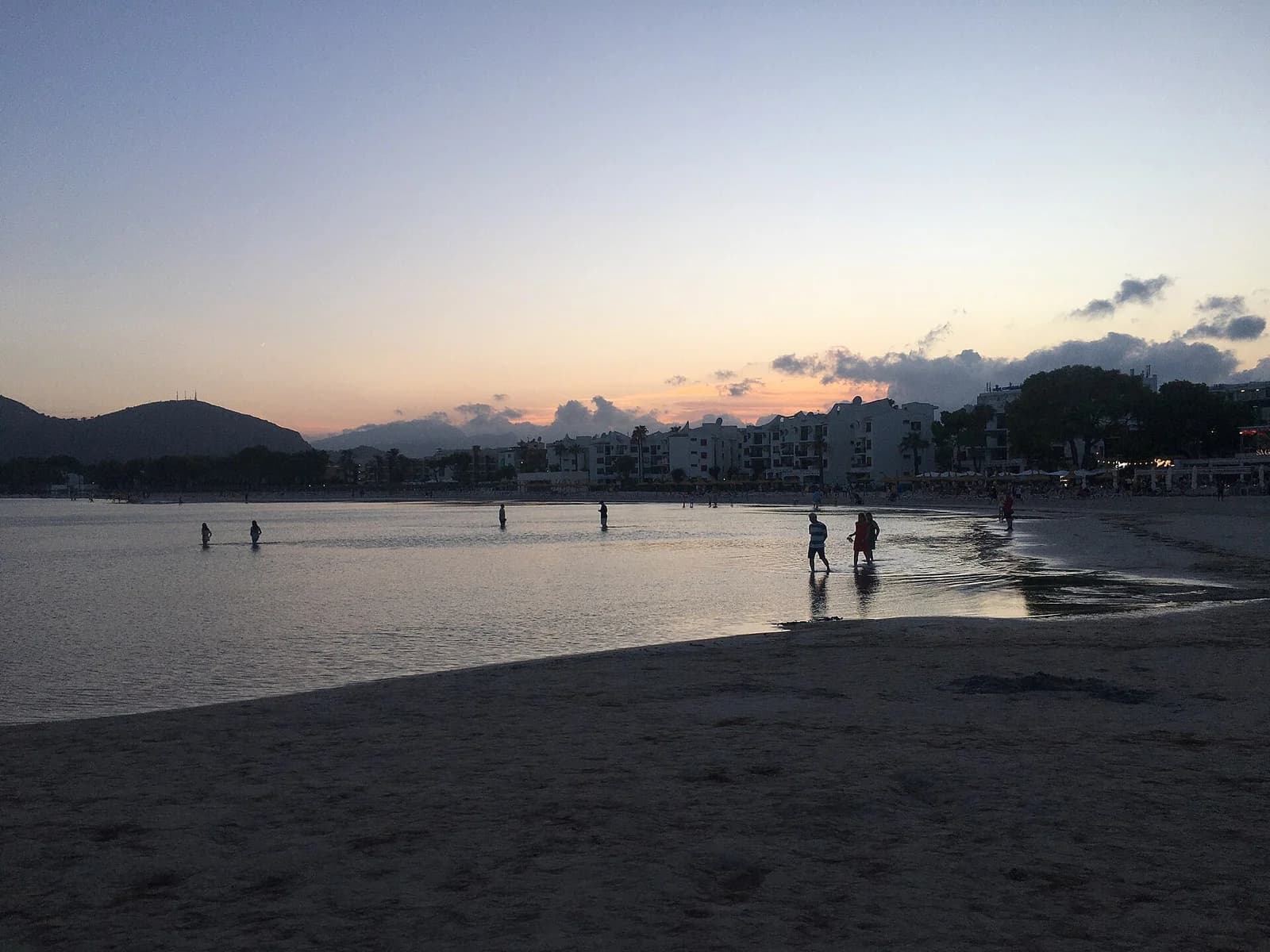
Alcúdia Bay
Mallorca's longest sandy bay — more exposed than neighbouring Pollença but with reliable thermal wind and miles of open water.
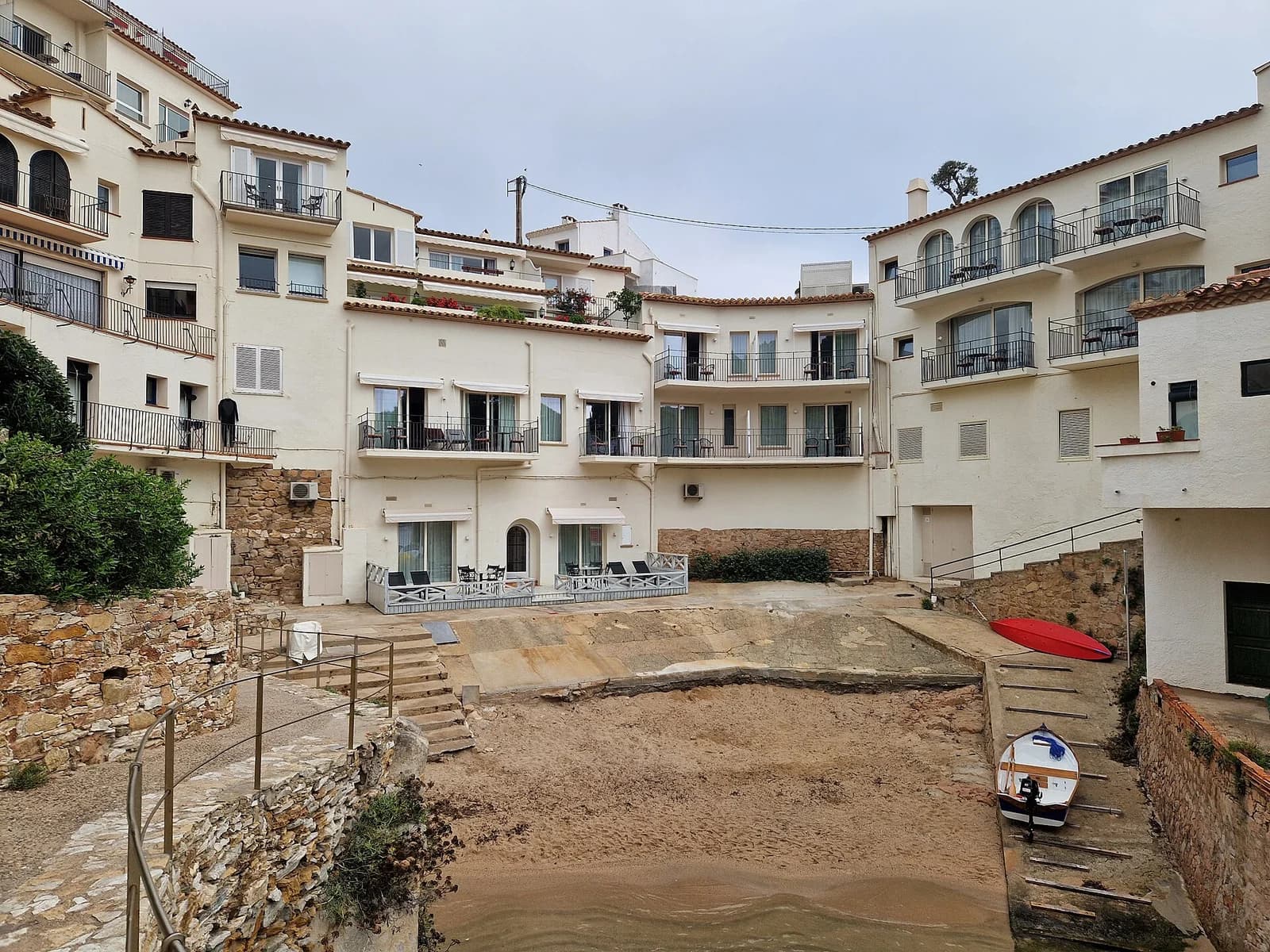
Fornells
Sheltered 3 km inlet on Menorca's wild north coast — Europe's most reliable flat-water training pool when the Tramontana blows.
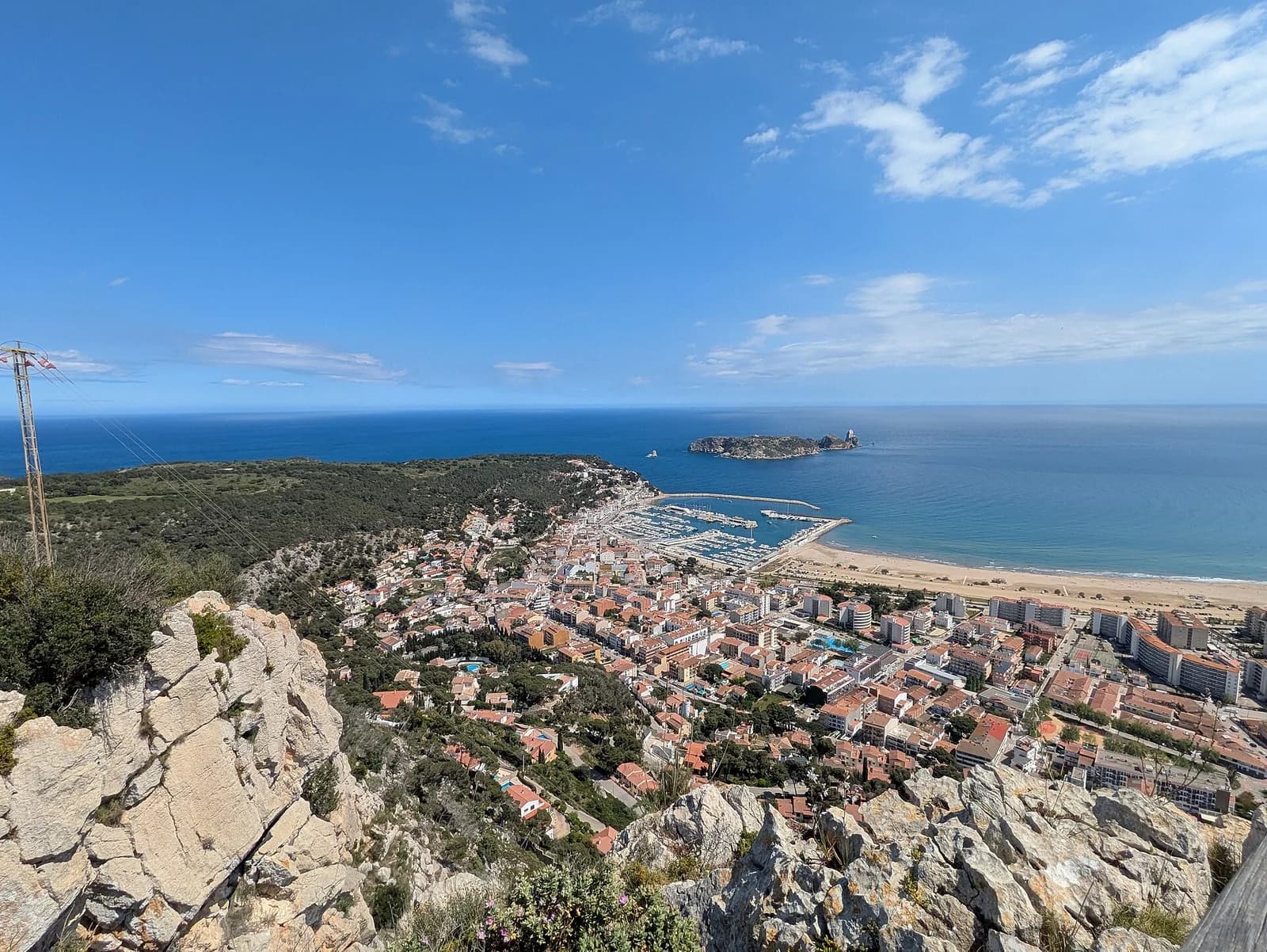
L'Estartit
Sheltered Costa Brava bay opposite the Medes Islands marine reserve, with clean afternoon sea breezes and protected launch beaches.
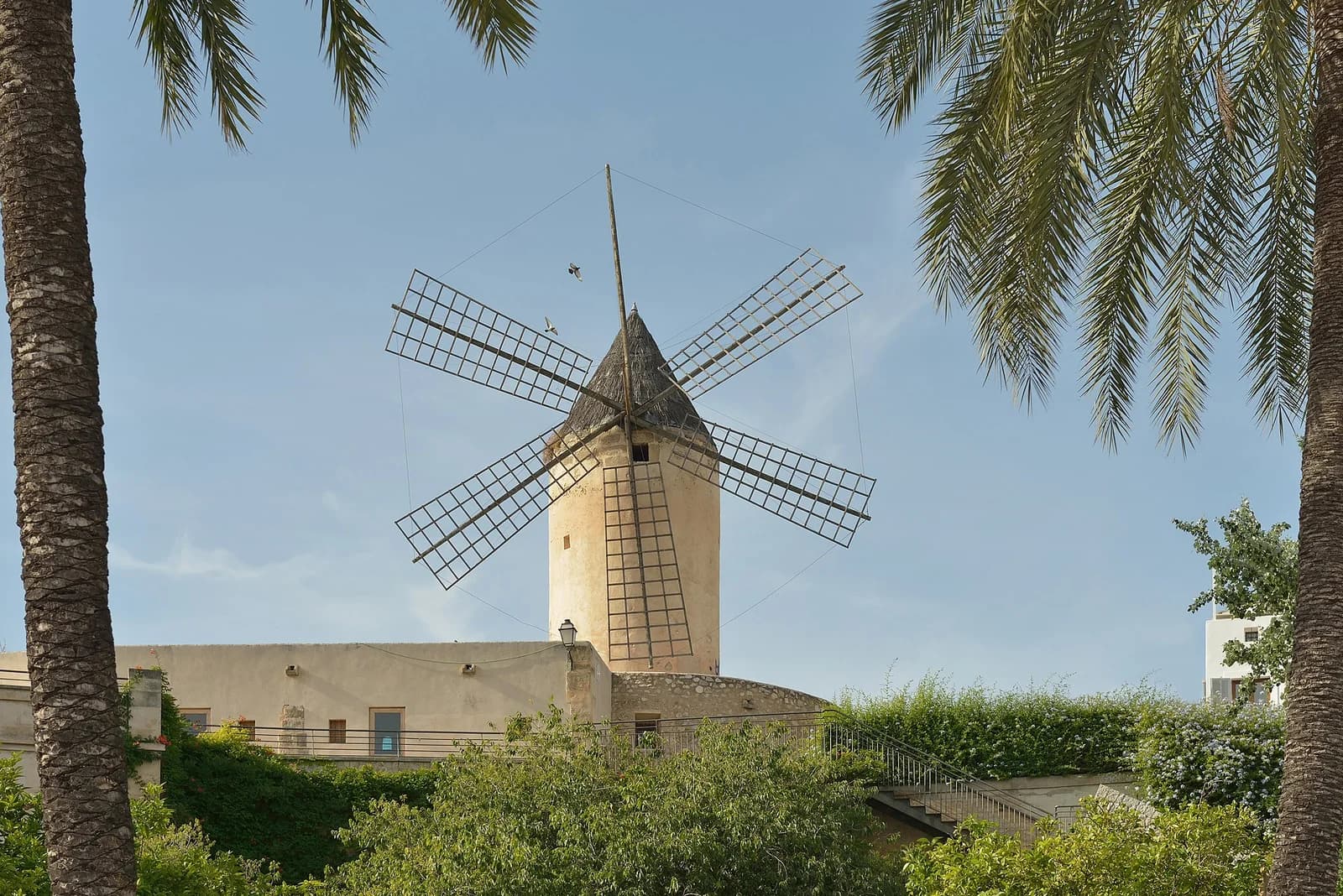
Palma de Mallorca
Wide protected bay with thermal sea breezes, glassy mornings, and the densest eFoil rental network in the Balearics.
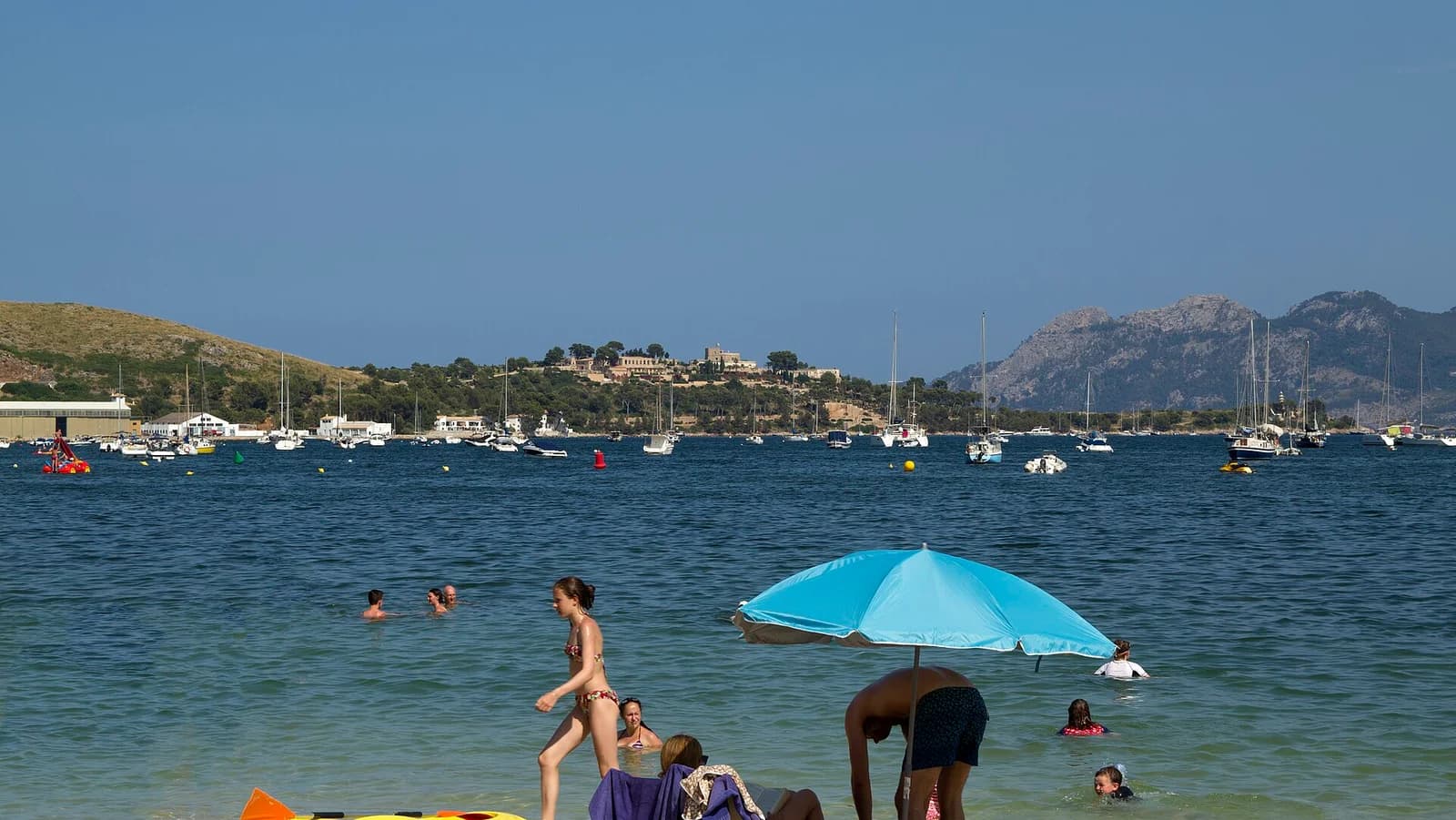
Port de Pollença
Sheltered horseshoe bay in Mallorca's north — the island's best flat-water classroom for beginner foilers.
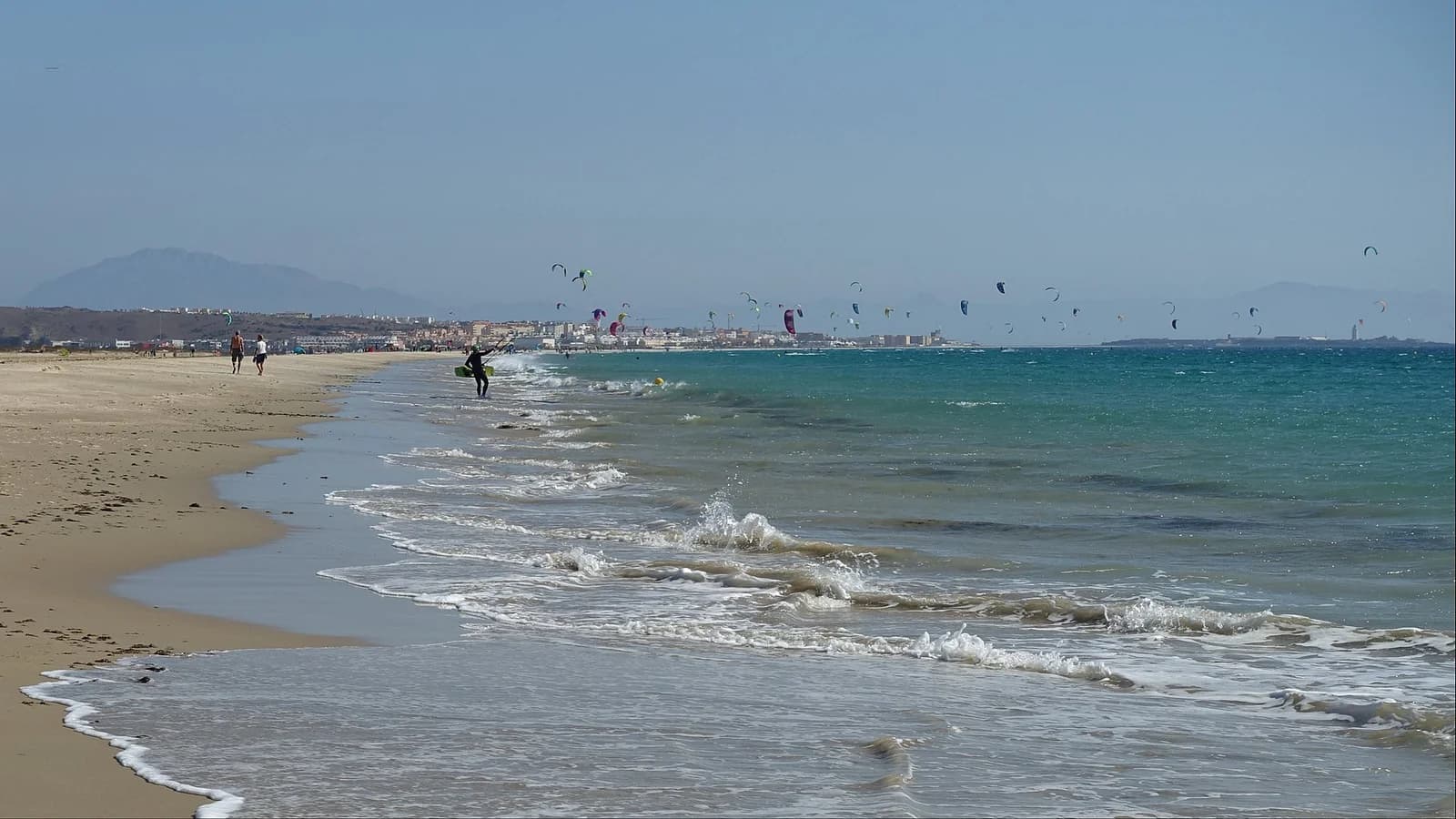
Tarifa
Wind-funnel capital at the Atlantic–Mediterranean junction, with mature watersports infrastructure and a flat-water lagoon.