eFoil regulations & spots in United Kingdom
eFoils are legal across the UK and treated as 'watercraft' under the Merchant Shipping (Watercraft) Order 2023, but day-to-day rules — speed limits, launch permissions, training requirements — are set harbour-by-harbour, producing wide regional variation.
Regulatory overview
Since 31 March 2023, electrically powered hydrofoil surfboards fall squarely within the Merchant Shipping (Watercraft) Order 2023, which extends key provisions of the Merchant Shipping Act 1995 and Harbours Act 1964 to any craft that is mechanically propelled, used on water, and capable of carrying a person. The Maritime and Coastguard Agency (MCA) has confirmed this captures eFoils 'of any size' and 'any kind of power'. Riders are bound by COLREGs, owners must take reasonable steps to ensure safe operation, and reckless or intoxicated conduct causing injury can trigger prosecution under s.58 of the 1995 Act, with penalties up to two years' imprisonment.
The UK does not operate a national eFoil licence or registration scheme, and there is no statutory minimum age, mandatory PFD rule, or national speed limit in primary legislation. In practice, however, the Royal Yachting Association treats eFoils alongside personal watercraft (PWC) for safety purposes and recommends a buoyancy aid or lifejacket, kill cord, and formal instruction; many launch sites, clubs and harbours expect an RYA Personal Watercraft Proficiency certificate, with under-16s required to ride under adult supervision.
The binding day-to-day framework is set by harbour authorities and inland navigation authorities through local byelaws, harbour directions and General Directions. Around 35 English and Welsh harbour authorities now hold expanded powers under the 2023 Order to direct watercraft as if they were ships, and most others already exercise byelaw powers covering registration, designated PWC zones, no-go bathing areas, and speed limits (commonly 8 knots within 100 m of shore, in moorings, or in inner harbours). Notable examples include the Solent harbours, Poole, Falmouth/Cornish ports and Brighton Marina, each of which can require pre-registration, RYA qualifications, or zone bans.
Enforcement is layered: the MCA can detain dangerous craft and investigate offences, the MAIB investigates serious accidents, and harbour masters, police and local authorities police local rules in real time. Regional variation is significant — Scotland, Wales and Northern Ireland share the UK-wide Merchant Shipping framework, but inland waters are governed by separate navigation authorities (Canal & River Trust, Loch Lomond Byelaws, Broads Authority), several of which restrict or prohibit powered foils. Marine Protected Areas, seal haul-outs and bathing zones add further site-specific limits, so riders are expected to check the local harbourmaster's notices before each session.
Disclaimer
This guide summarises publicly available regulatory information as of the last-verified date above. Regulations change. Always confirm with official sources and your local maritime authority before launch.
Top eFoil spots in United Kingdom

Cardiff Bay
A 200-hectare freshwater bay impounded by the Cardiff Bay Barrage, providing flat protected water in the centre of Wales' capital.
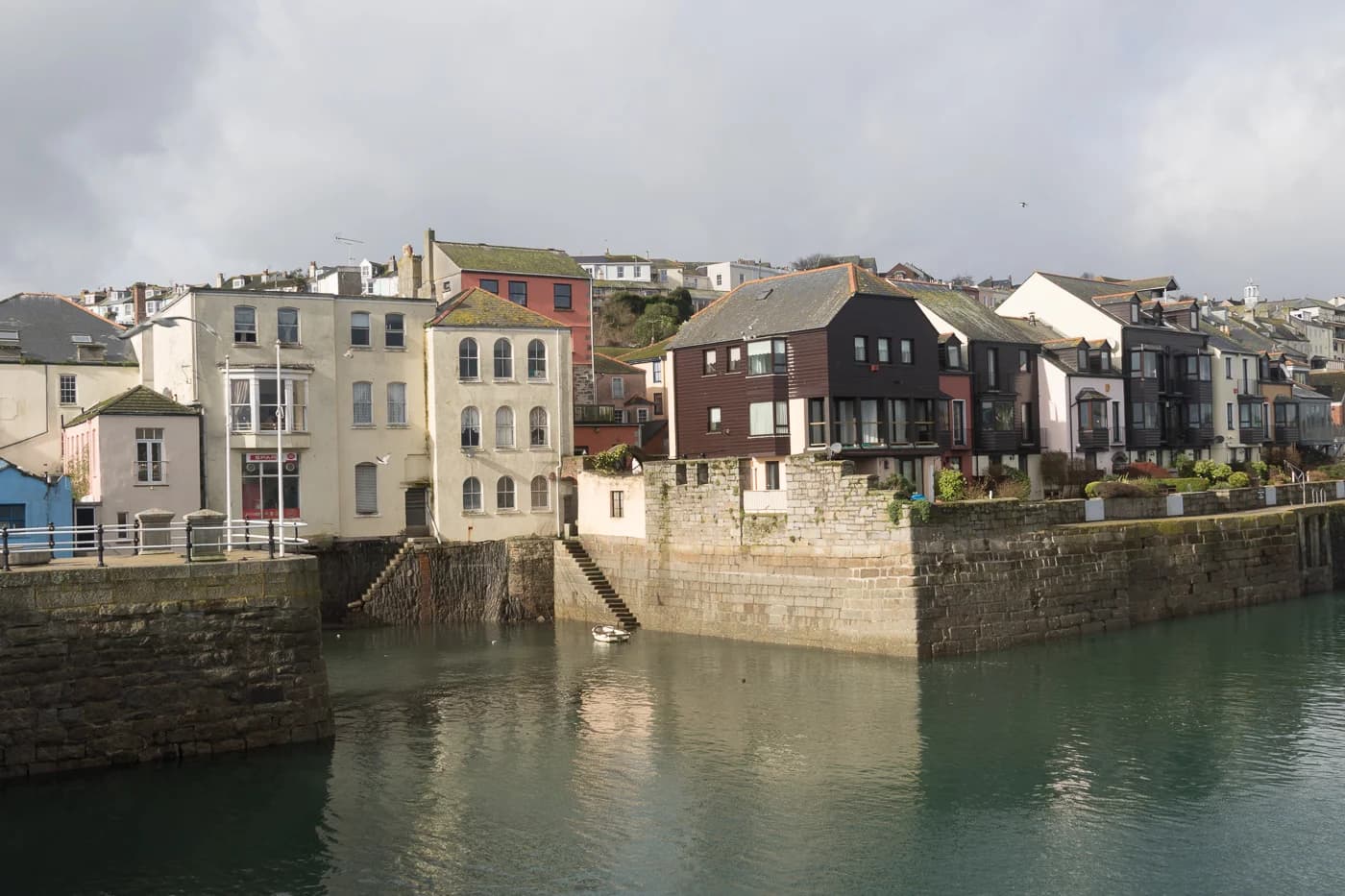
Falmouth (Cornwall)
Cornwall's deep natural harbour at Carrick Roads offers a sheltered ria estuary plus access to Atlantic swell at Gyllyngvase Beach.
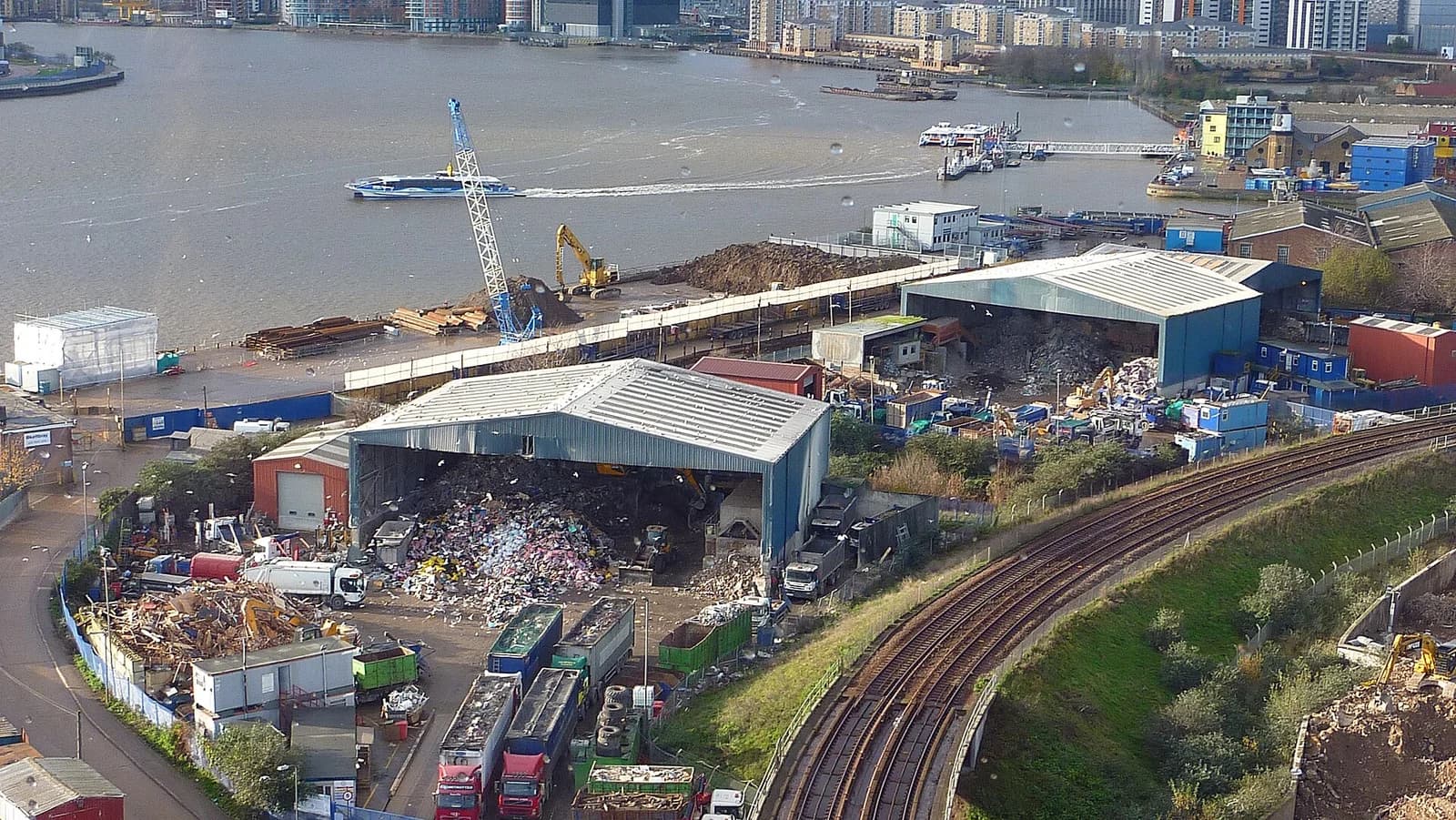
London Docklands
Royal Victoria Dock provides 75 acres of protected, non-tidal water in central London with a verified watersports centre and skyline views.
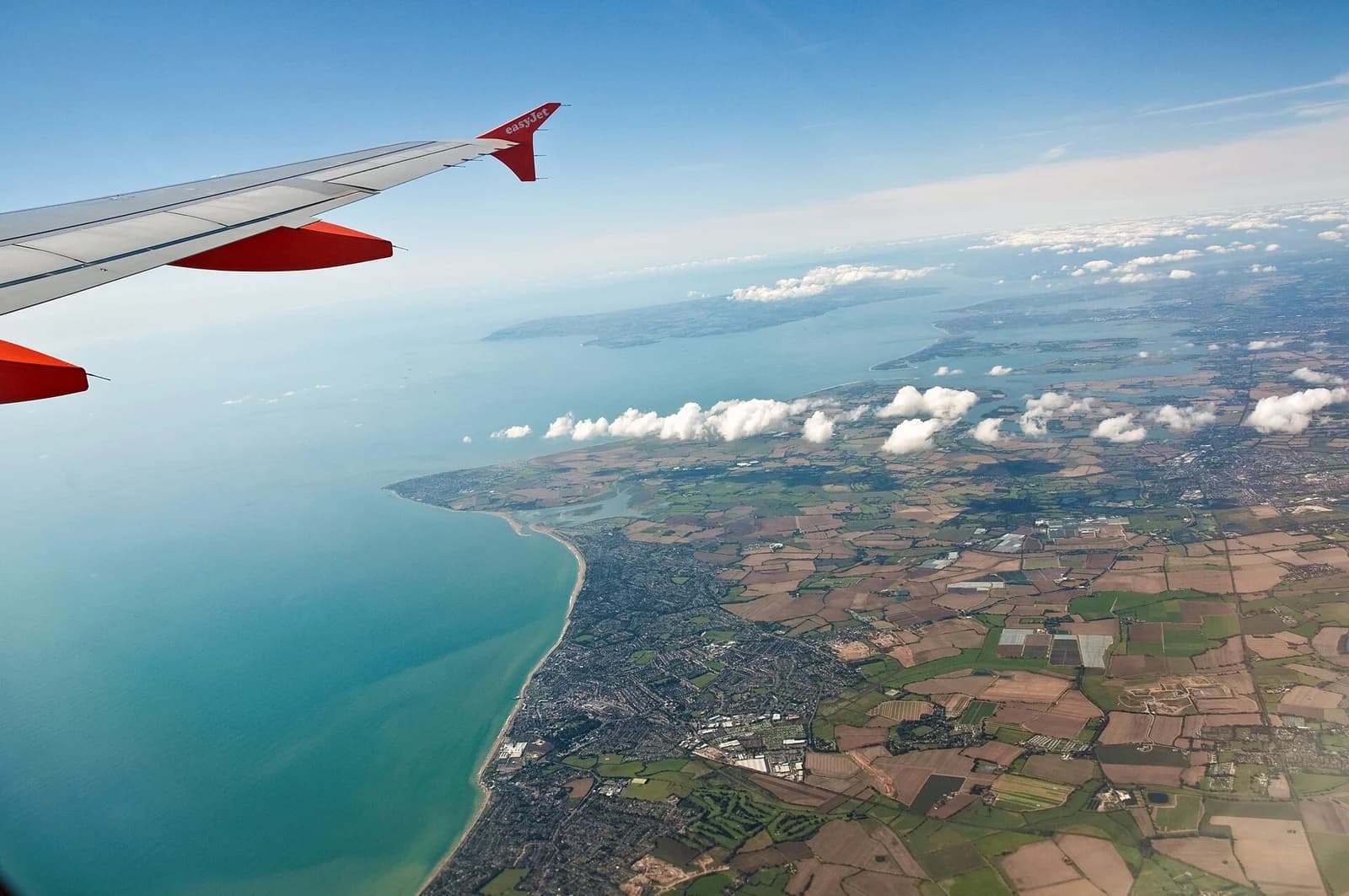
The Solent (Hayling Island)
England's south-coast watersport heartland combines protected harbour water with open Solent fetch and the UK's most consistent winds.