eFoil regulations & spots in Australia
Legal but state-regulated: each Australian state classifies eFoils as personal watercraft or powered recreational vessels, with registration, licensing and lifejacket rules that differ between NSW, VIC, QLD and WA.
Regulatory overview
eFoils are legal across Australia, but there is no single national rulebook for recreational use. AMSA's Marine Orders cover commercial vessels under the National Law; recreational eFoiling is governed by each state's marine safety act and regulator: Transport for NSW, Safe Transport Victoria, Maritime Safety Queensland (MSQ) and the Department of Transport WA. The common thread is that any motor-powered hydrofoil board above a small power threshold (typically 3–4.5 kW) is treated as a registrable powered vessel, and the operator is treated as the master of that vessel.
New South Wales is the most explicit jurisdiction. Under the Marine Safety Act 1998, motor-powered hydrofoil boards are personal watercraft, but operators receive partial exemptions under clause 140(1) of the Marine Safety Regulation 2016 in recognition of the lower risk profile — those exemptions cease above 25 knots. Boards over 4.0 kW must be registered, with numbers at least 50 mm high on each side. Riders must wear a PWC-rated lifejacket, must not operate between sunset and sunrise, are banned from the Sydney Harbour PWC Exclusion Zone, and need a general boat driving licence once travelling at 10 knots or more.
Western Australia (Transport WA) classifies an Electric Hydrofoil Board over 4.5 kW (about 6 hp) as a vessel: it must be registered, the rider must hold a Recreational Skipper's Ticket, must wear a Level 50 or higher lifejacket, and may only operate between sunrise and sunset. Beyond 400 m offshore, a GPS-enabled EPIRB or PLB and flares are required, and a marine radio is required beyond 4 nautical miles. Victoria (Safe Transport Victoria) classifies eFoils as powerboats under the Marine Safety Act 2010 and Marine Safety Regulations 2023, requiring a marine licence (PWC endorsement minimum age 16, restricted licence from 12), VicRoads vessel registration, and lifejackets graded by water type.
Enforcement is real and visible: Transport for NSW and water police actively patrol Sydney Harbour and Pittwater, and have warned and fined eFoil riders for breaching the PWC exclusion zone, night-riding ban and unregistered operation. Across all states, marine parks, declared bathing zones and shore-proximity speed limits apply by default, so the practical rule for visitors is: register if your motor is above the state threshold, carry the right lifejacket and licence, ride only in daylight, and stay out of marine park sanctuary zones, swim areas and harbour exclusion zones.
Disclaimer
This guide summarises publicly available regulatory information as of the last-verified date above. Regulations change. Always confirm with official sources and your local maritime authority before launch.
Top eFoil spots in Australia
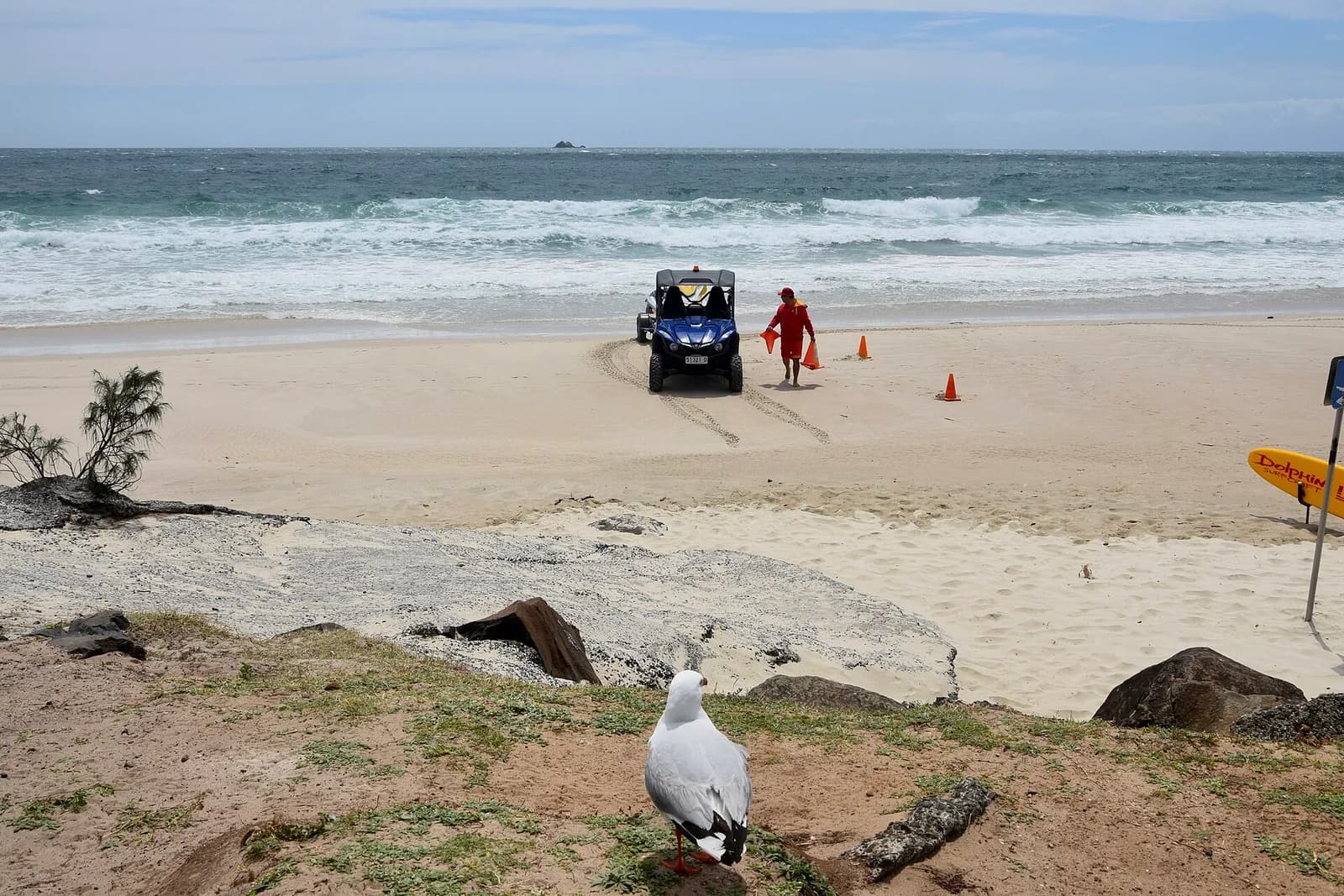
Byron Bay
Australia's easternmost point — subtropical headland with sheltered bays and reliable trade winds.
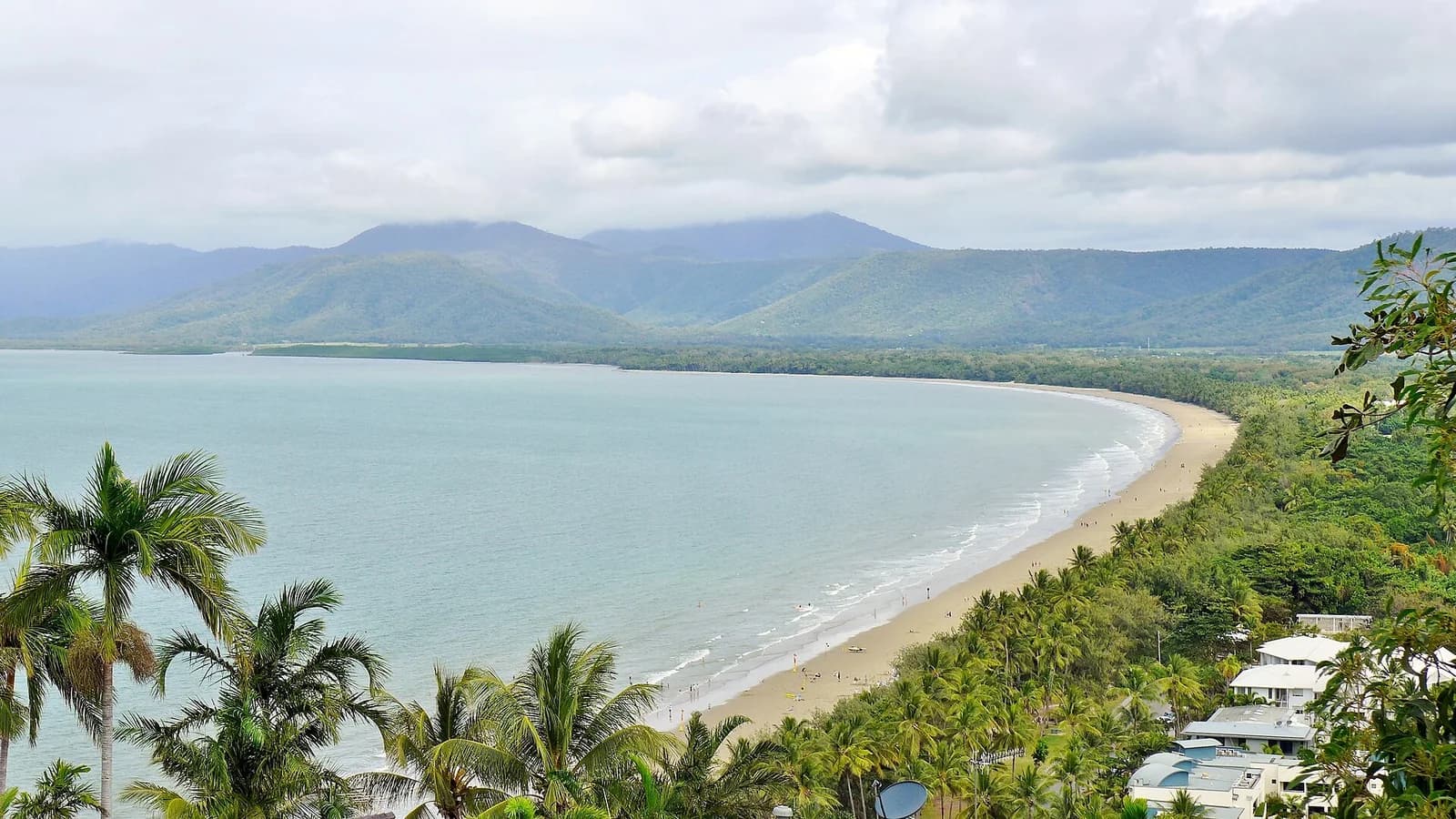
Cairns (Trinity Bay)
Tropical gateway to the Great Barrier Reef with flat lagoonal water inside Trinity Inlet, reliable winter trades, and warm 26 C water even in July.
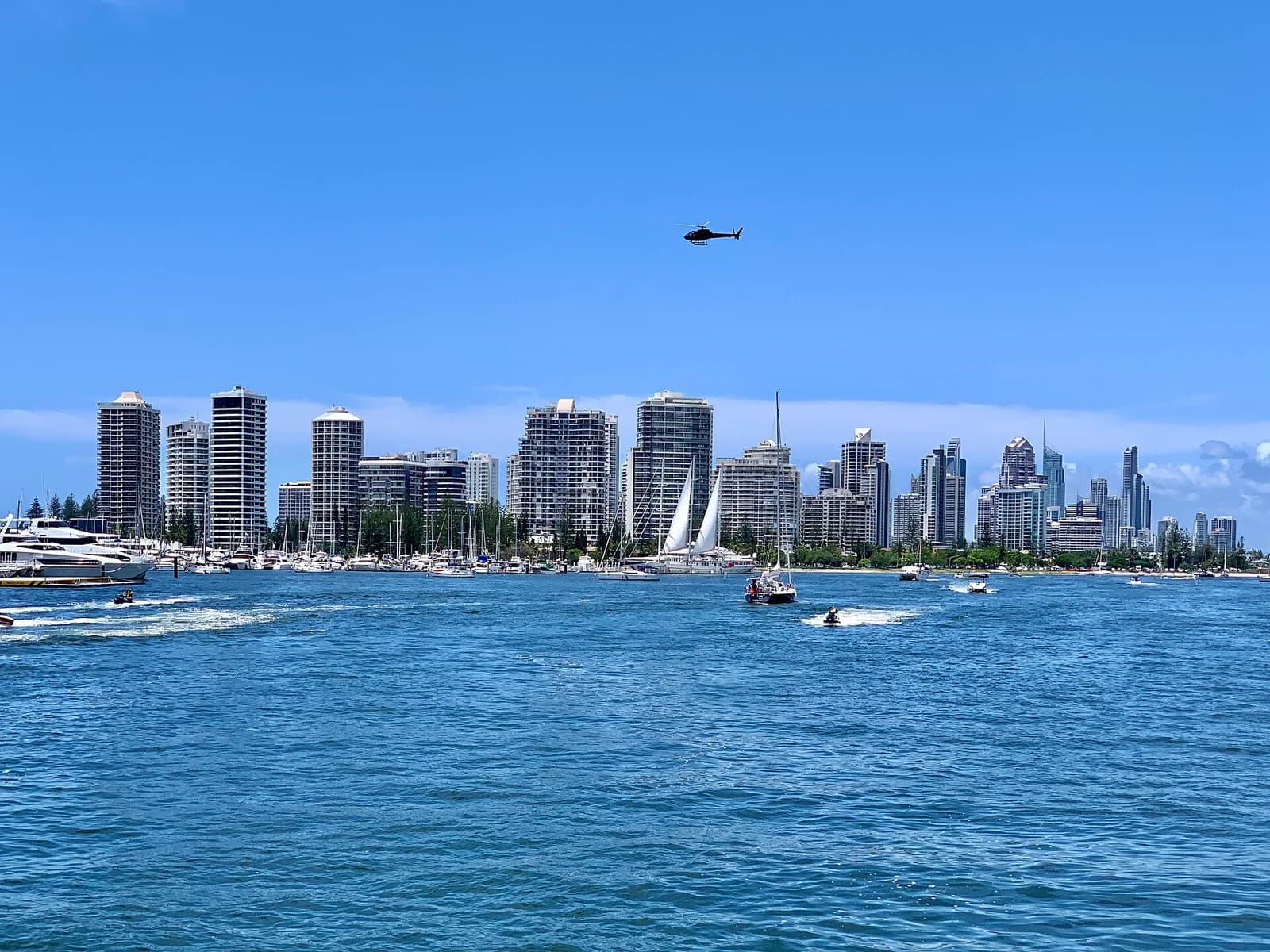
Gold Coast — Surfers Paradise / Broadwater
Twin venues — flatwater Broadwater estuary inside, ocean swell outside the Spit.
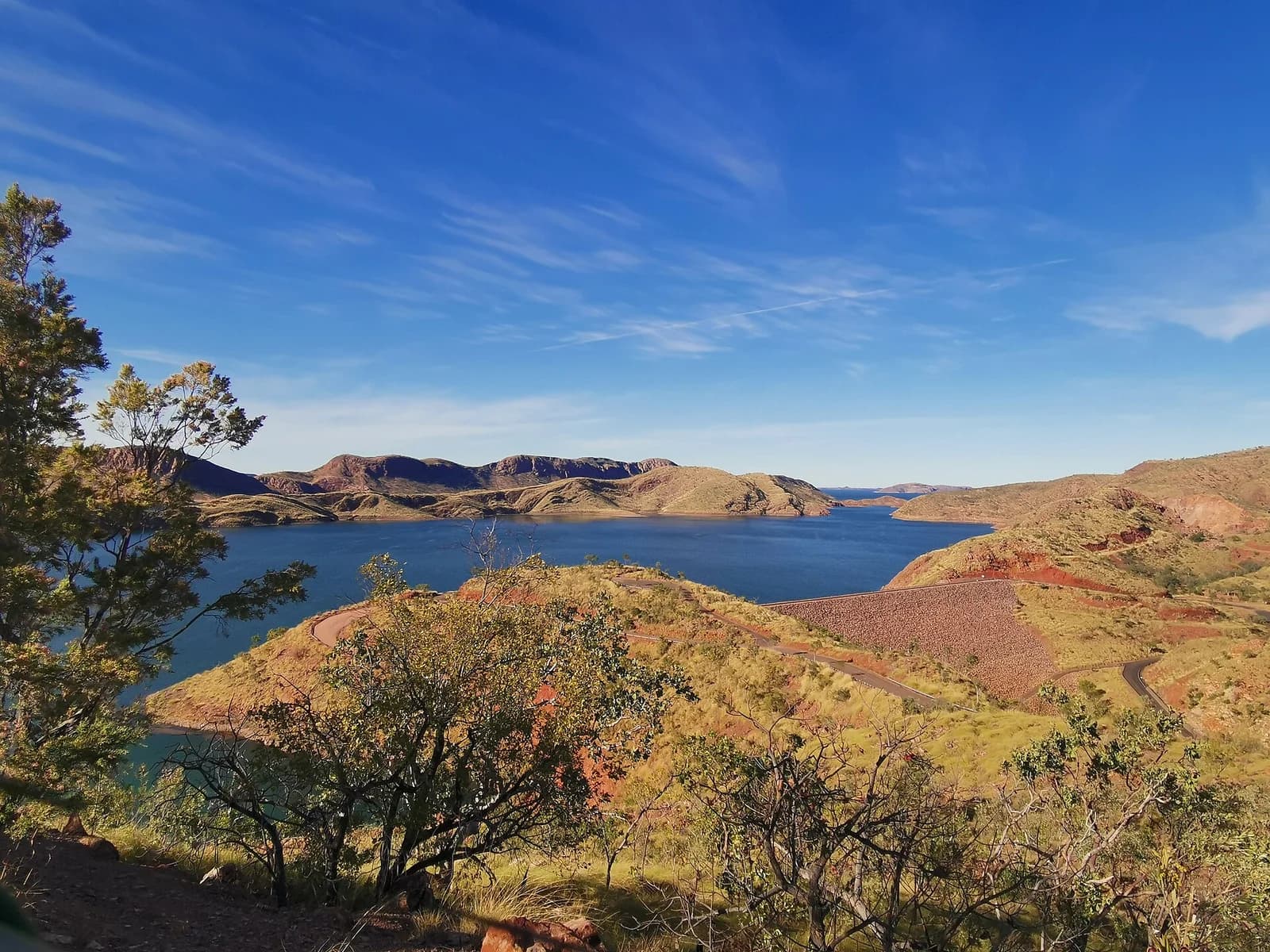
Lake Argyle
WA's hidden inland sea — Australia's largest reservoir in the remote Kimberley.
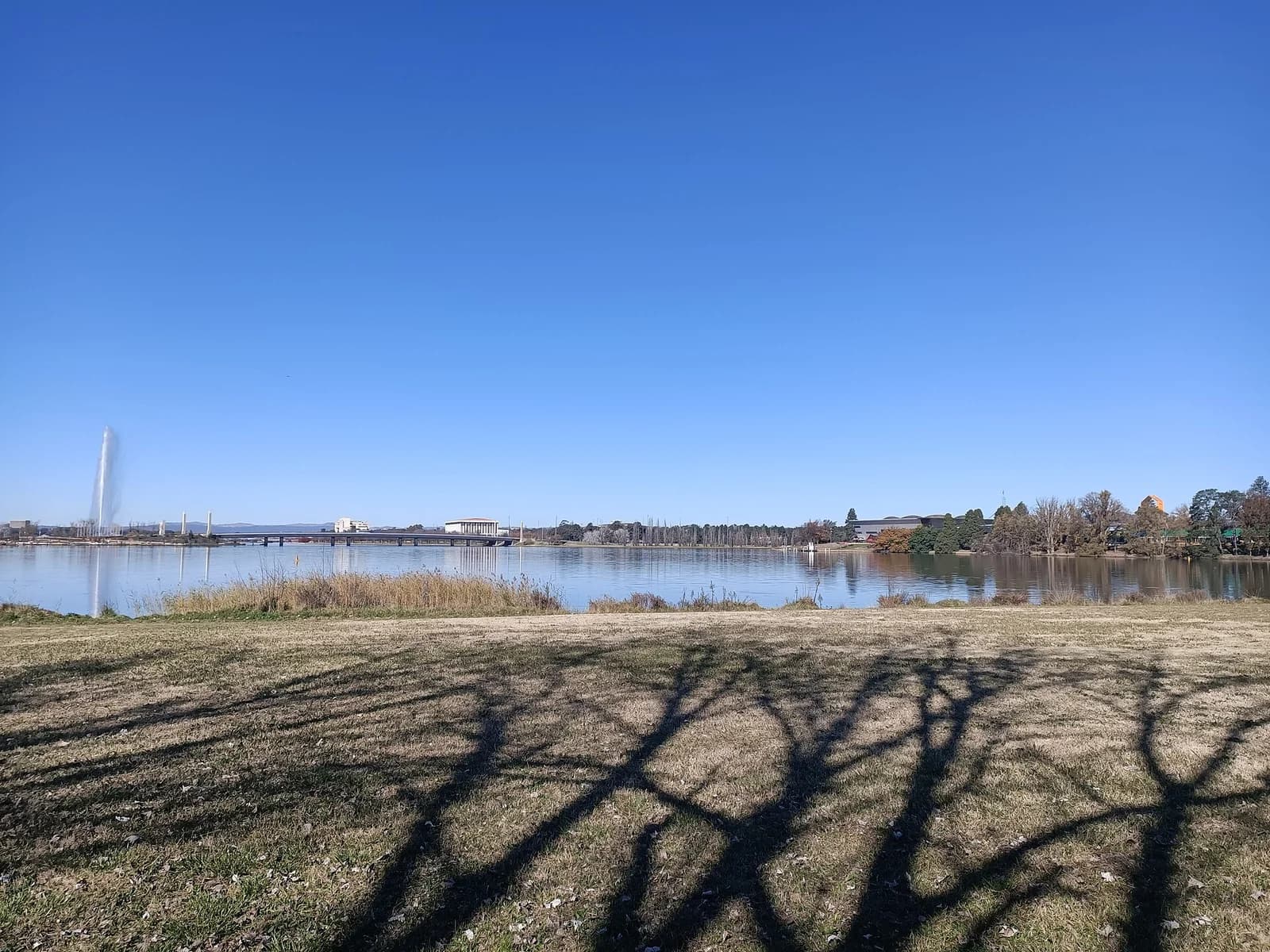
Lake Burley Griffin
Canberra's central lake — flatwater foiling in the heart of the capital.
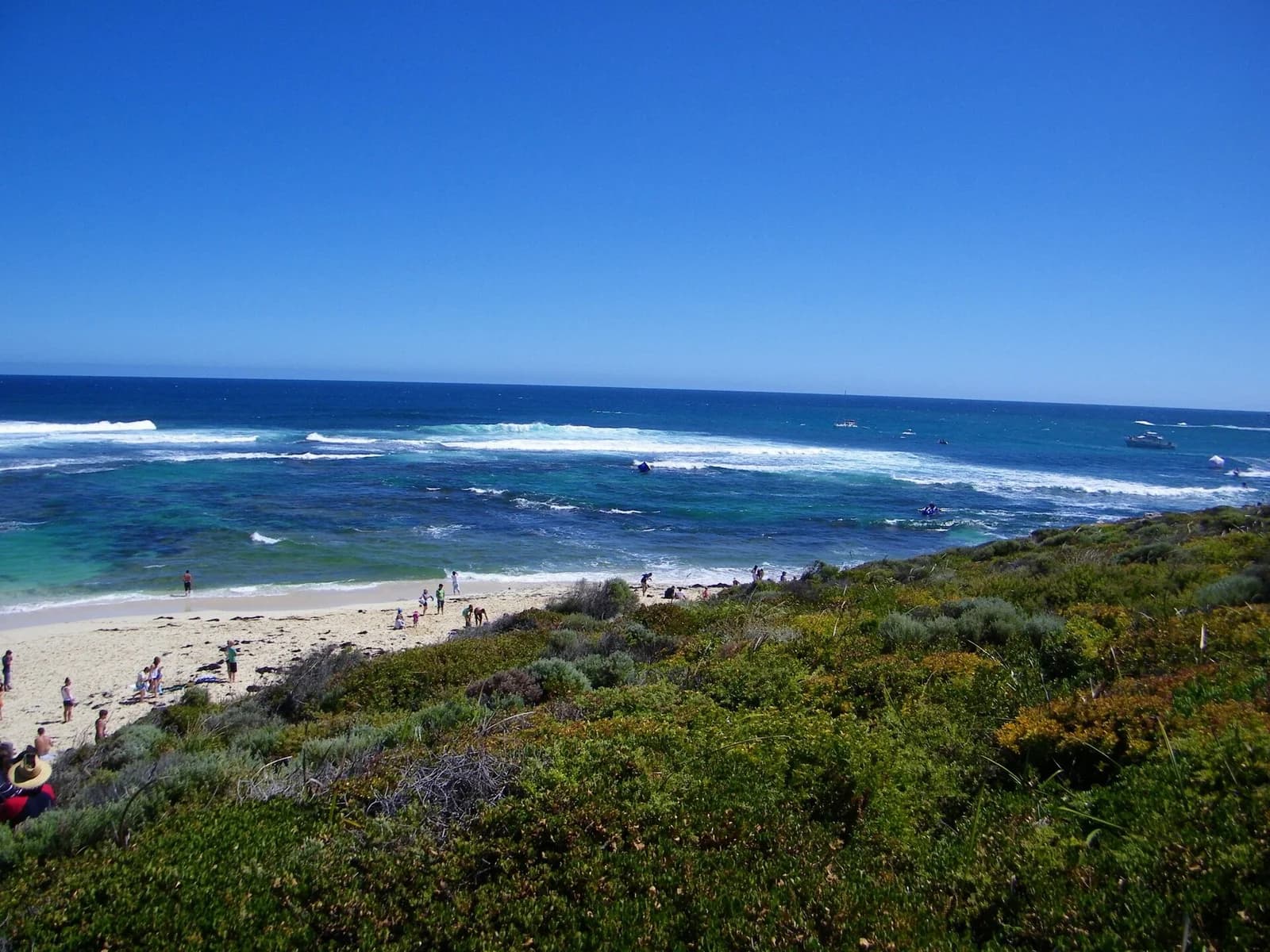
Margaret River / Surfers Point
WA's south-west surf coast — heavy SW swell and serious wind, advanced foilers only.
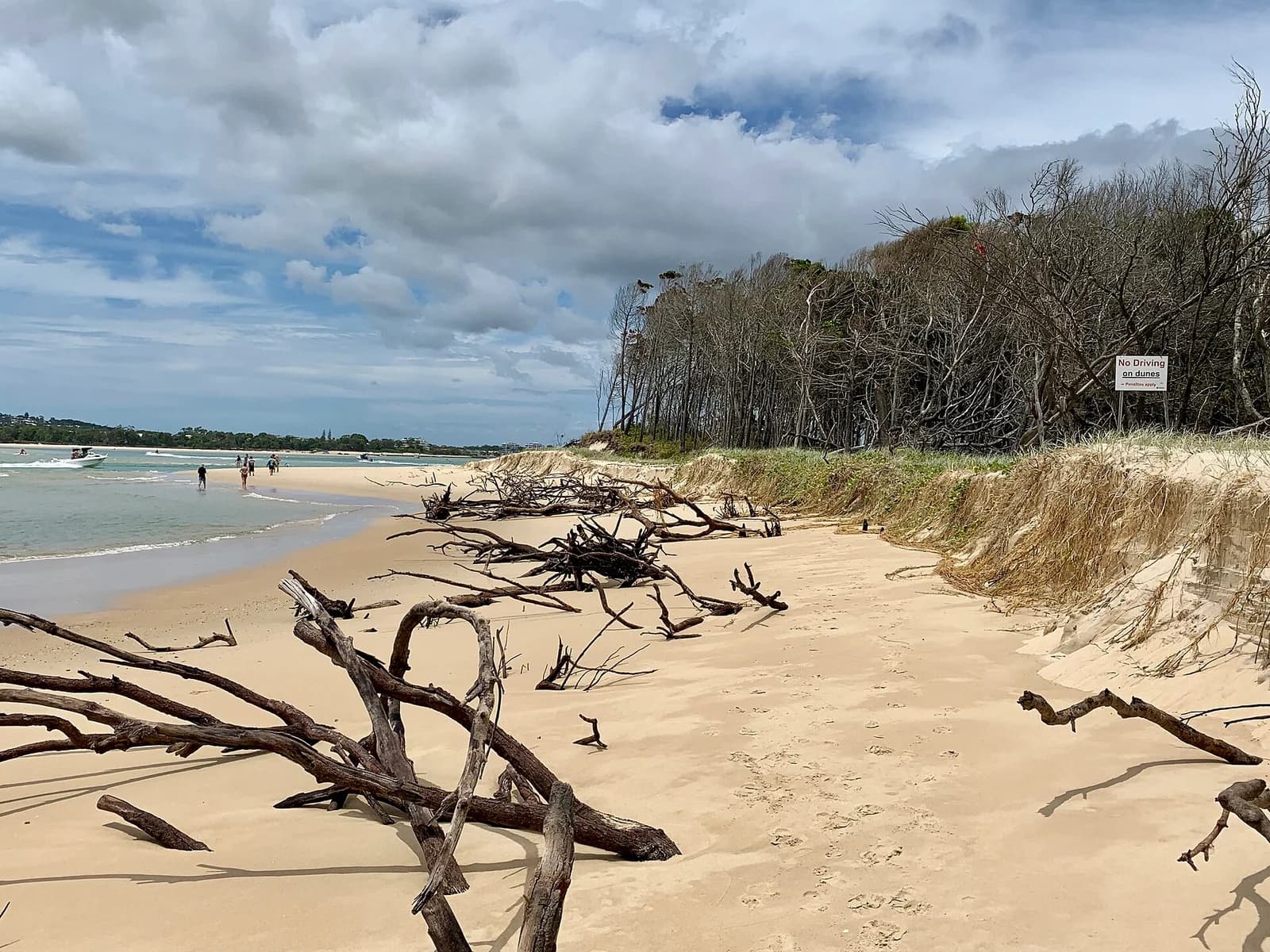
Noosa
North-facing Sunshine Coast bay plus the Noosa River — sheltered subtropical foiling.
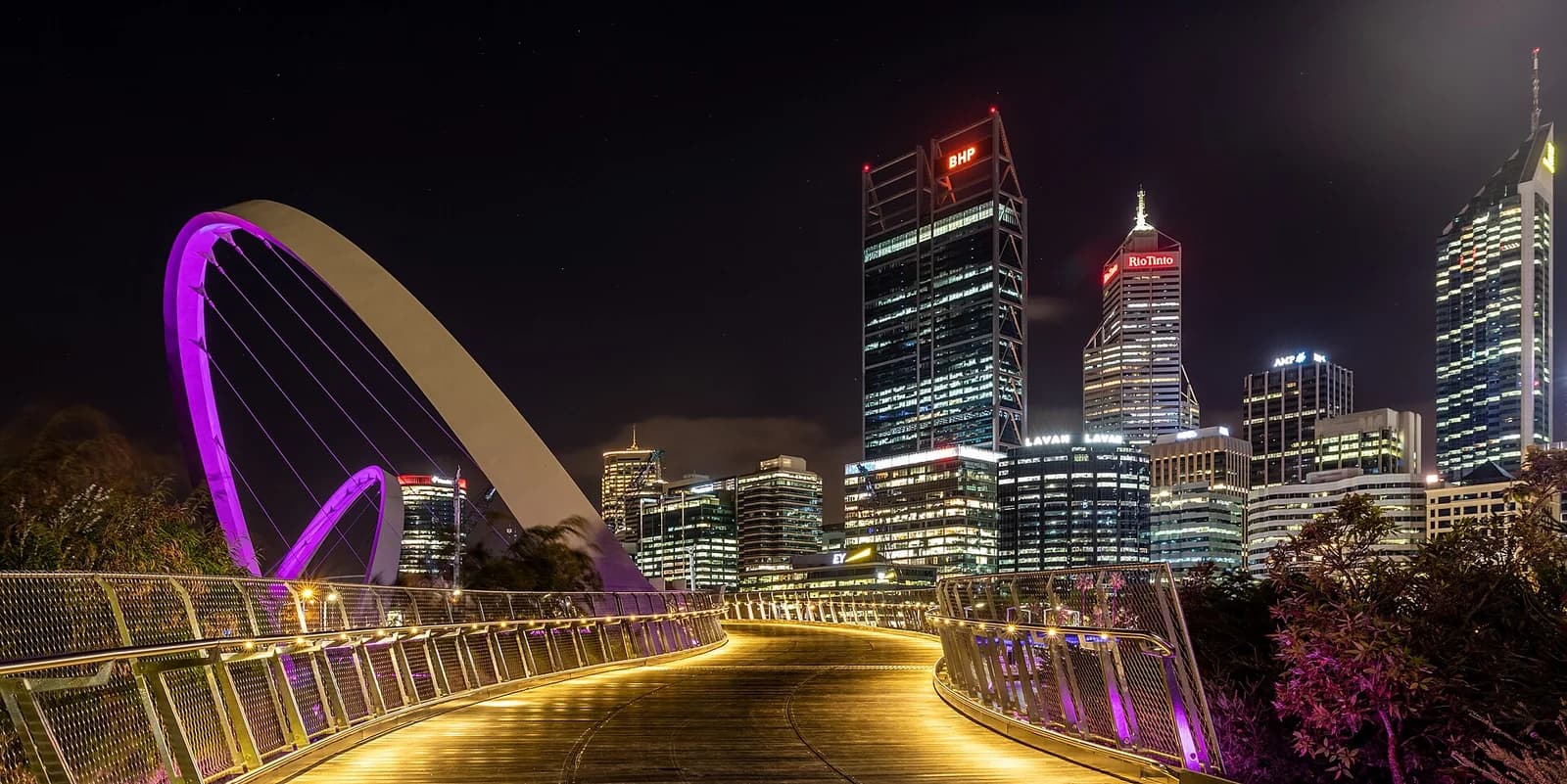
Perth — Swan River
Perth's wide tidal river — the Fremantle Doctor delivers reliable summer foiling.
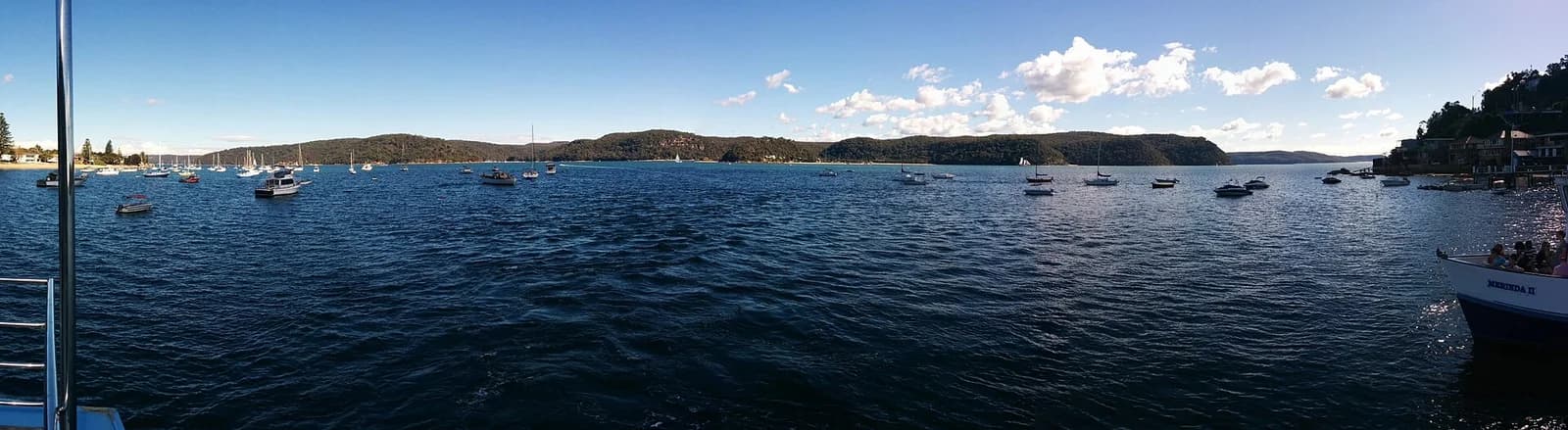
Pittwater
Sheltered estuary north of Sydney — a benchmark eFoil-friendly waterway.
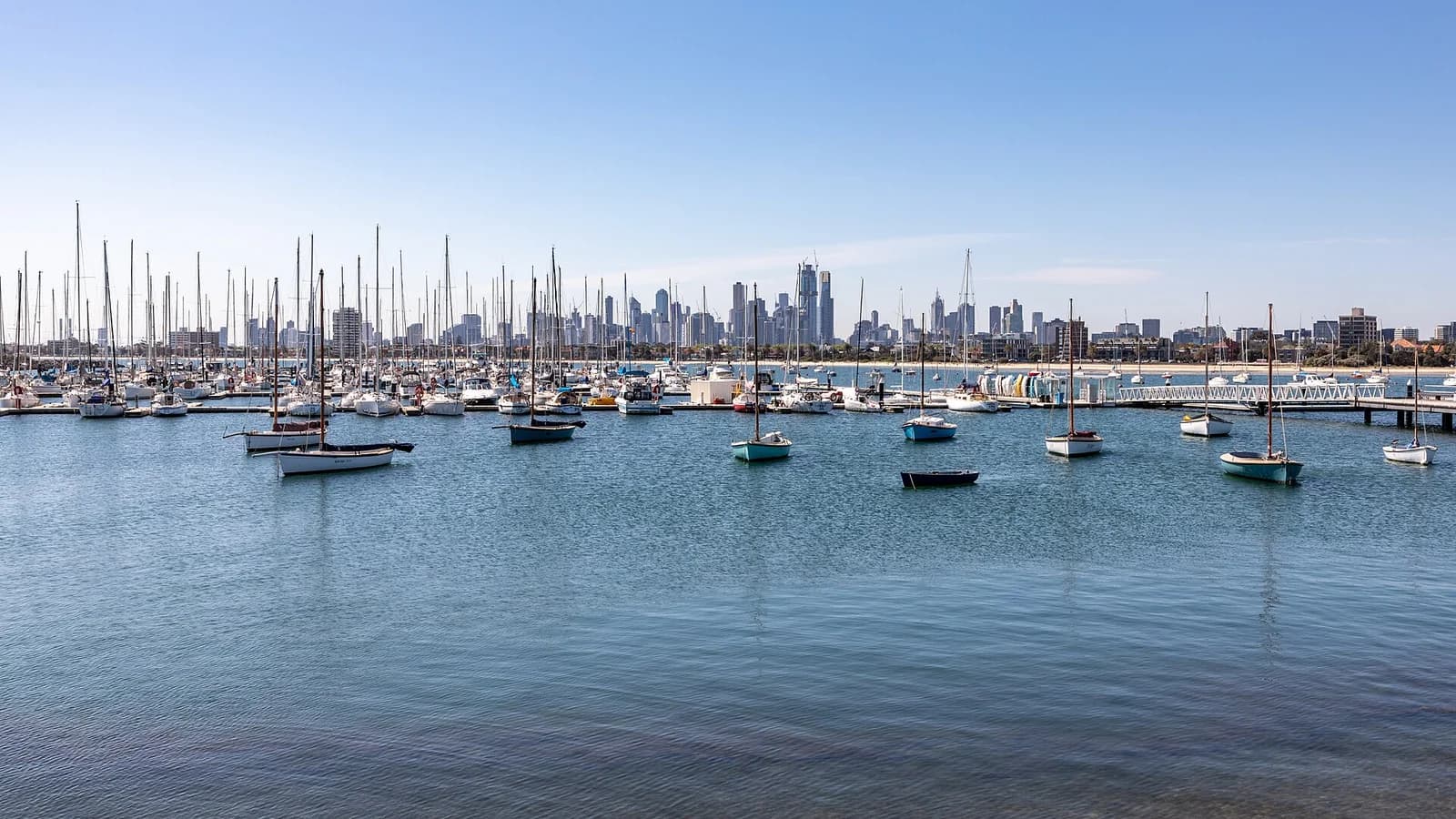
St Kilda
Melbourne's urban beach on Port Phillip Bay — reliable summer seabreeze and city skyline.
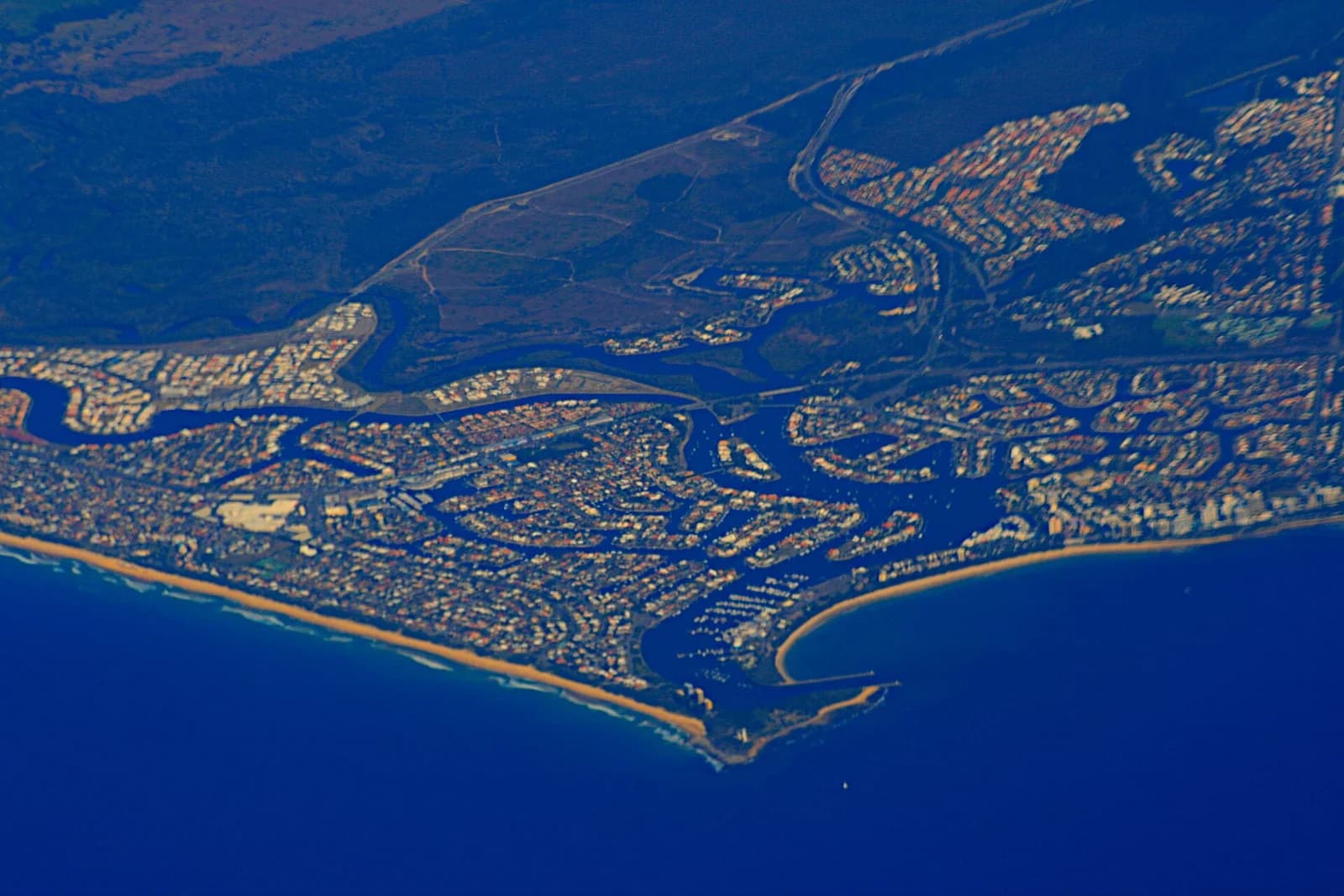
Sunshine Coast (Mooloolaba)
North-facing Queensland bay with a sheltered swim zone, easy beach launch, and the Mooloolah River estuary for protected first-time sessions.
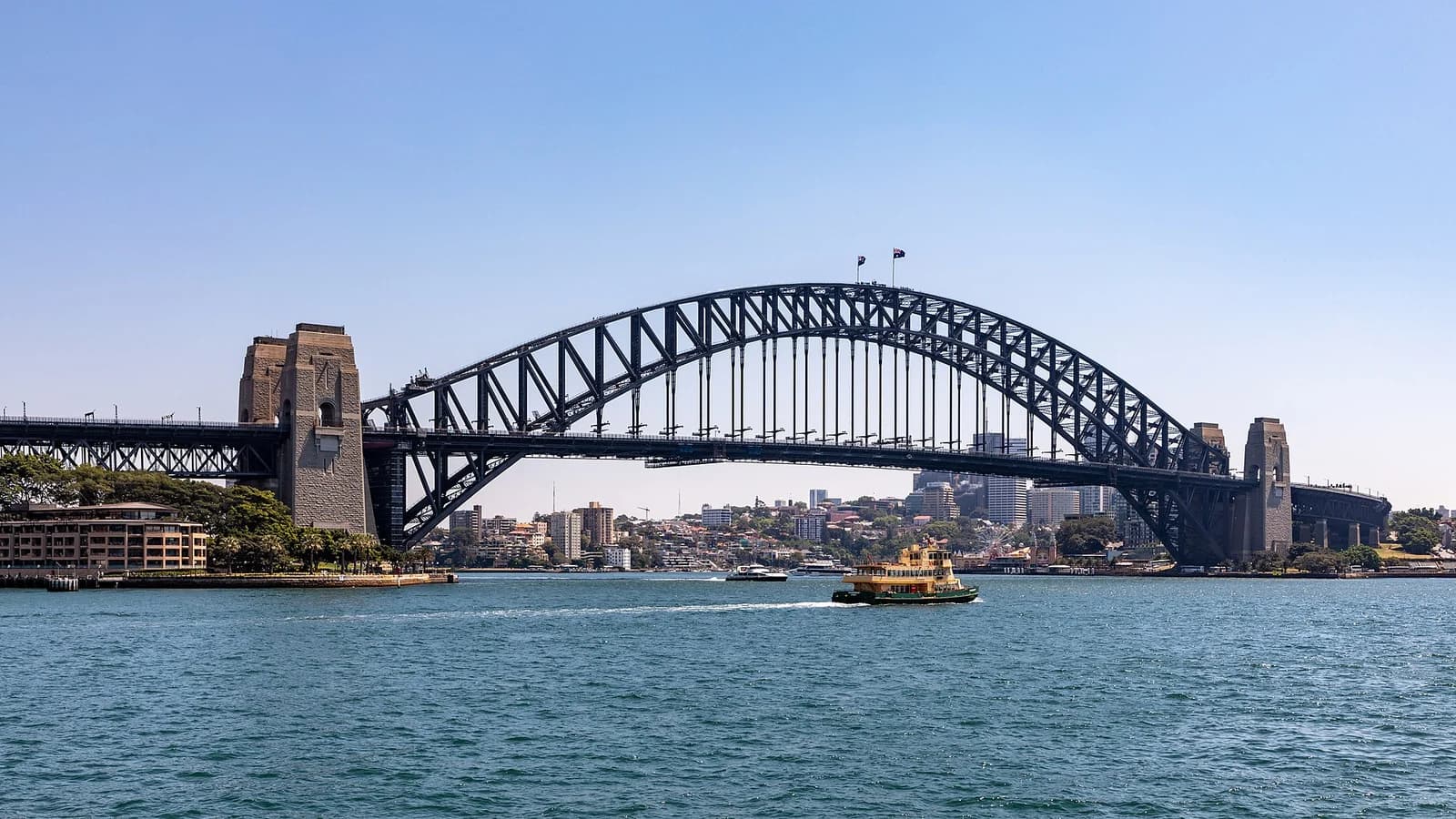
Sydney Harbour
Iconic harbour — but NSW PWC Exclusion Zone severely restricts powered foilcraft.