eFoil regulations & spots in United States
eFoils are federally classified as vessels propelled by machinery under USCG Policy Letter 01-22, but practical rules — registration, age, education, PFD, lighting, and waterway access — are set state-by-state and vary substantially.
Regulatory overview
At the federal level, the U.S. Coast Guard treats motorized personal hydrofoils (eFoils) and motorized surfboards (jetboards) as vessels under 1 USC 3. USCG Policy Letter 01-22, effective October 5, 2022, requires operators to carry a state-issued Certificate of Number (vessel registration), comply with PFD rules under state and federal law, carry a sound-producing device, meet 33 CFR 83 Inland Navigation Rules lighting requirements (including for operation between sunset and sunrise or in reduced visibility), and either fit an engine cut-off switch (ECOS) per 46 USC 4312 or rely on a manufacturer exemption. A fire extinguisher is required unless every operator is wearing a USCG-approved PFD.
Because eFoils are vessels propelled by machinery, registration is handled by each state's titling agency. Florida requires registration of all motor-powered vessels with FWC/HSMV; operators born after January 1, 1988 must complete an approved boating safety course before operating any vessel of 10 hp or more. California requires every motorized vessel — explicitly including motor-equipped surfboards and similar craft — to be registered through the DMV, and operators 16+ generally need a California Boater Card. Hawai'i registers vessels through DOBOR and applies the federal eFoil policy verbatim; some county harbors and ocean recreation management areas add local restrictions.
Waterway access is the most variable element. National Park Service waters frequently prohibit personal watercraft and motorized surface craft except where specifically authorized; many state and municipal beaches, harbors, swim areas, and marine protected areas exclude motorized vessels entirely or impose idle-speed buffers (commonly 100 feet or 300 feet from swimmers, divers-down flags, or shorelines). Manatee protection zones in Florida, marine reserves in California, and humpback whale sanctuary waters around Hawai'i impose seasonal or permanent speed and exclusion rules that apply to eFoils as motor vessels.
Enforcement is real but uneven. State marine patrols (FWC, CDFW/State Parks, DOCARE in Hawai'i) and the USCG can cite eFoil operators for missing registration, no PFD, no kill-switch lanyard, riding after dark without lights, or operating in closed zones. Recreational riders most often encounter enforcement at busy harbors and beaches; the practical baseline anywhere in the U.S. is: register with the state, wear a Coast Guard-approved PFD, use the kill-switch leash, stay clear of swim areas and protected zones, and check local rules before launching.
Disclaimer
This guide summarises publicly available regulatory information as of the last-verified date above. Regulations change. Always confirm with official sources and your local maritime authority before launch.
Top eFoil spots in United States
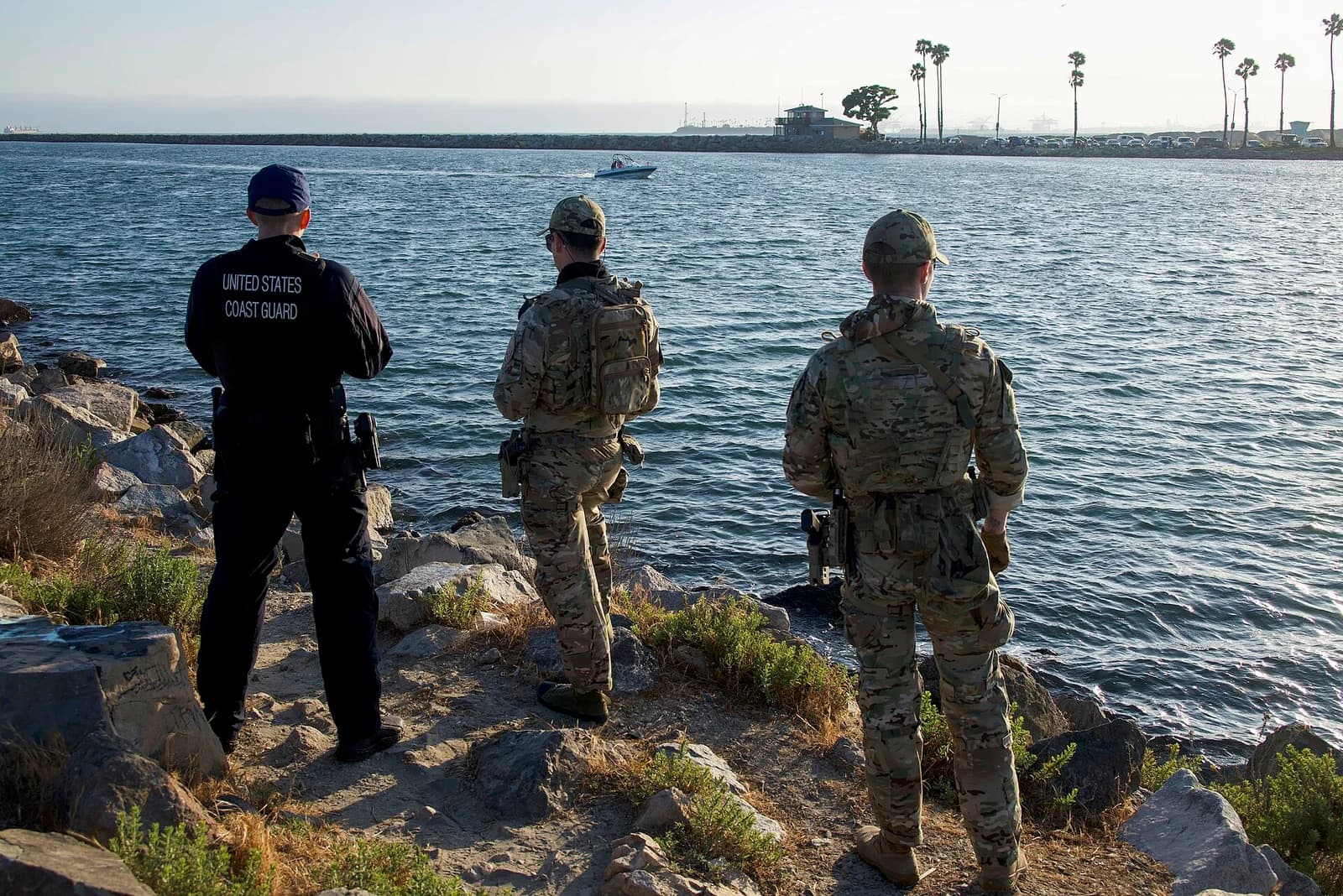
Alamitos Bay, Long Beach
Long Beach's protected southeast bay — flat, warm, broken into several basins, with easy beach launches.
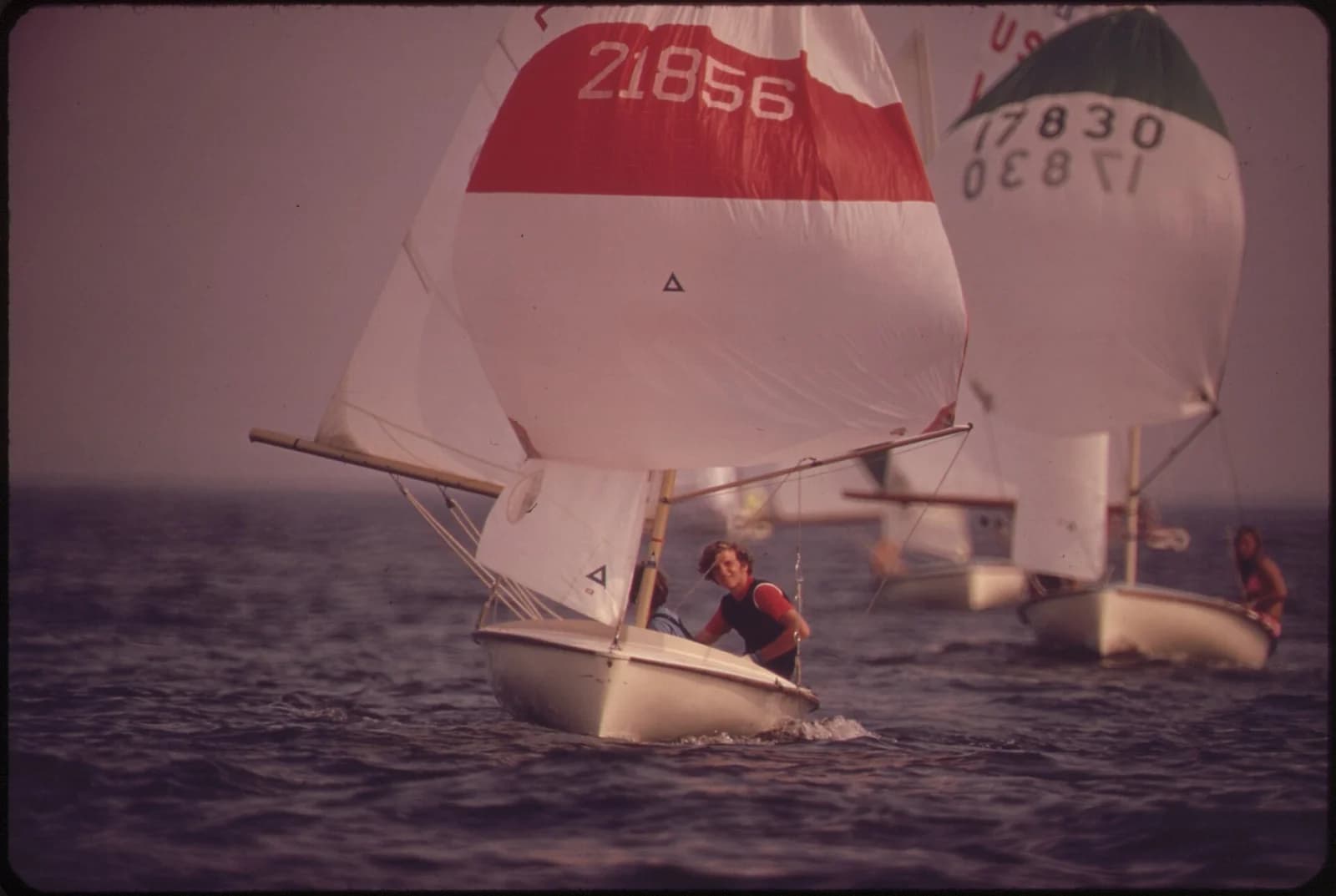
Annapolis (Chesapeake Bay)
America's sailing capital on the Severn River mouth — sheltered creeks for beginners, wide bay for downwinders, and steady summer afternoon thermals across the Chesapeake.
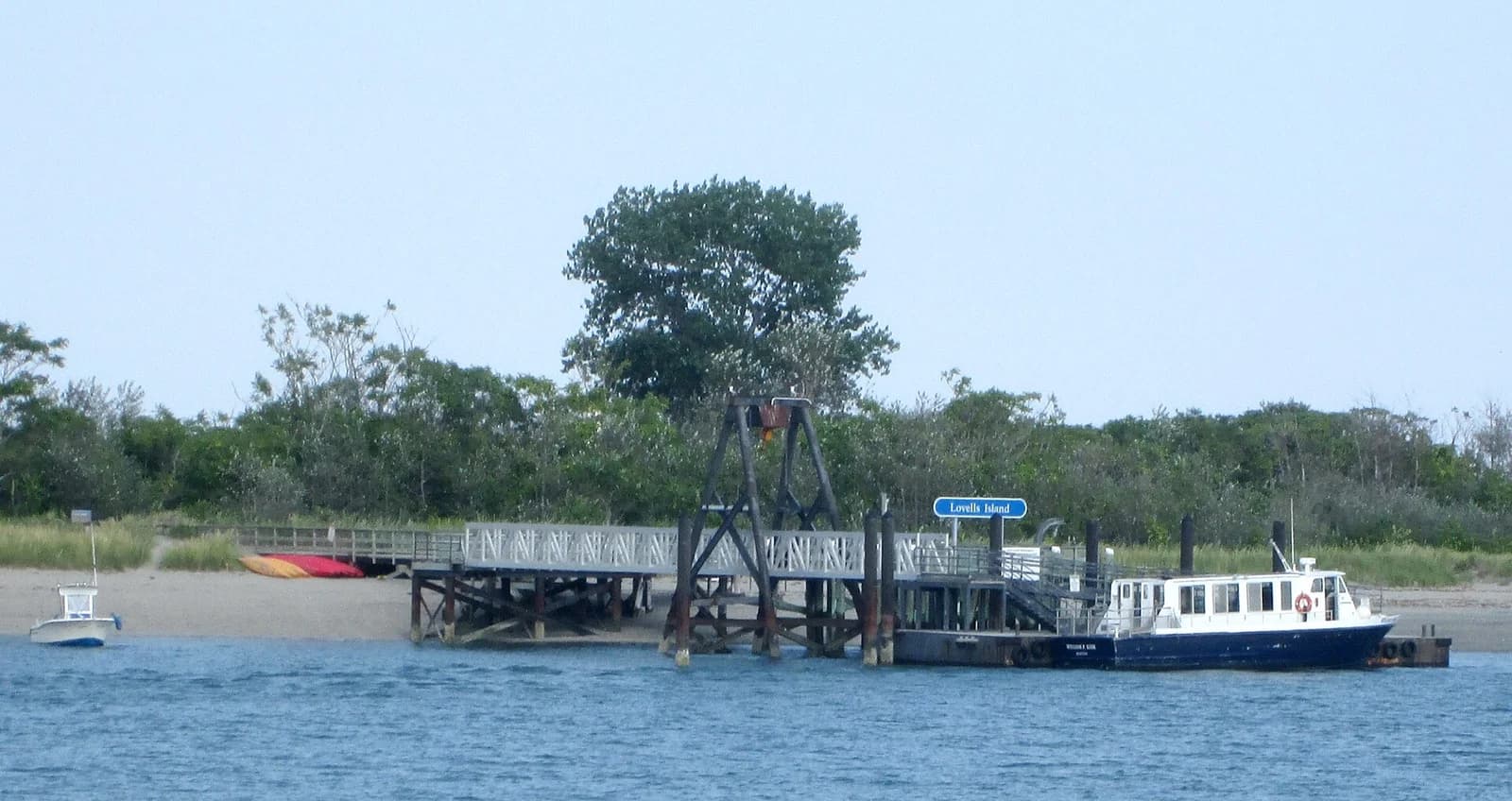
Boston Harbor
Urban harbor sheltered by 30+ islands — flat protected water inside, with city skyline views and reliable summer sea breezes.
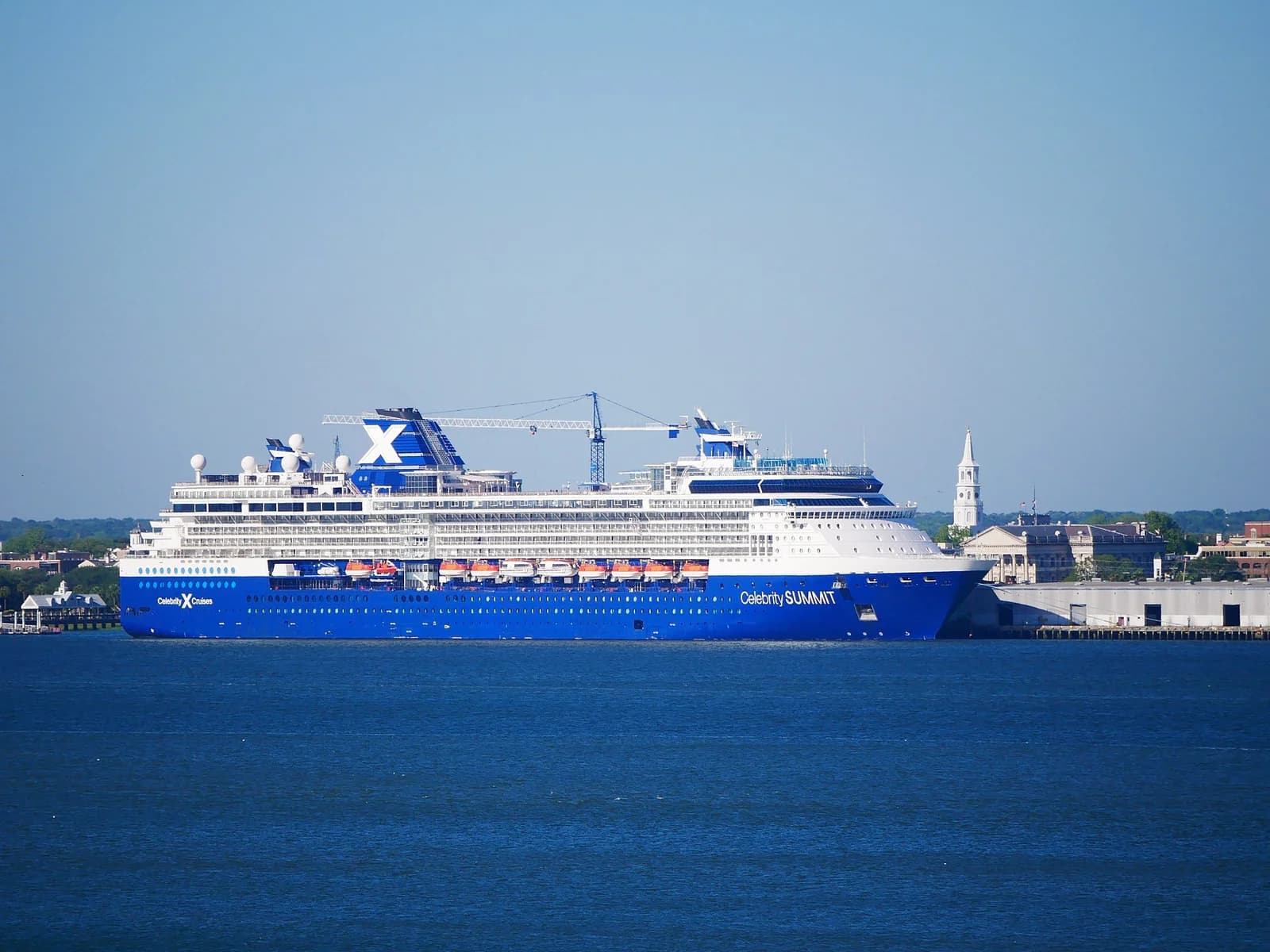
Charleston Harbor
Historic Lowcountry harbor at the Ashley-Cooper confluence with Fort Sumter views, strong tides to surf, and a well-marked shipping channel to give wide berth.
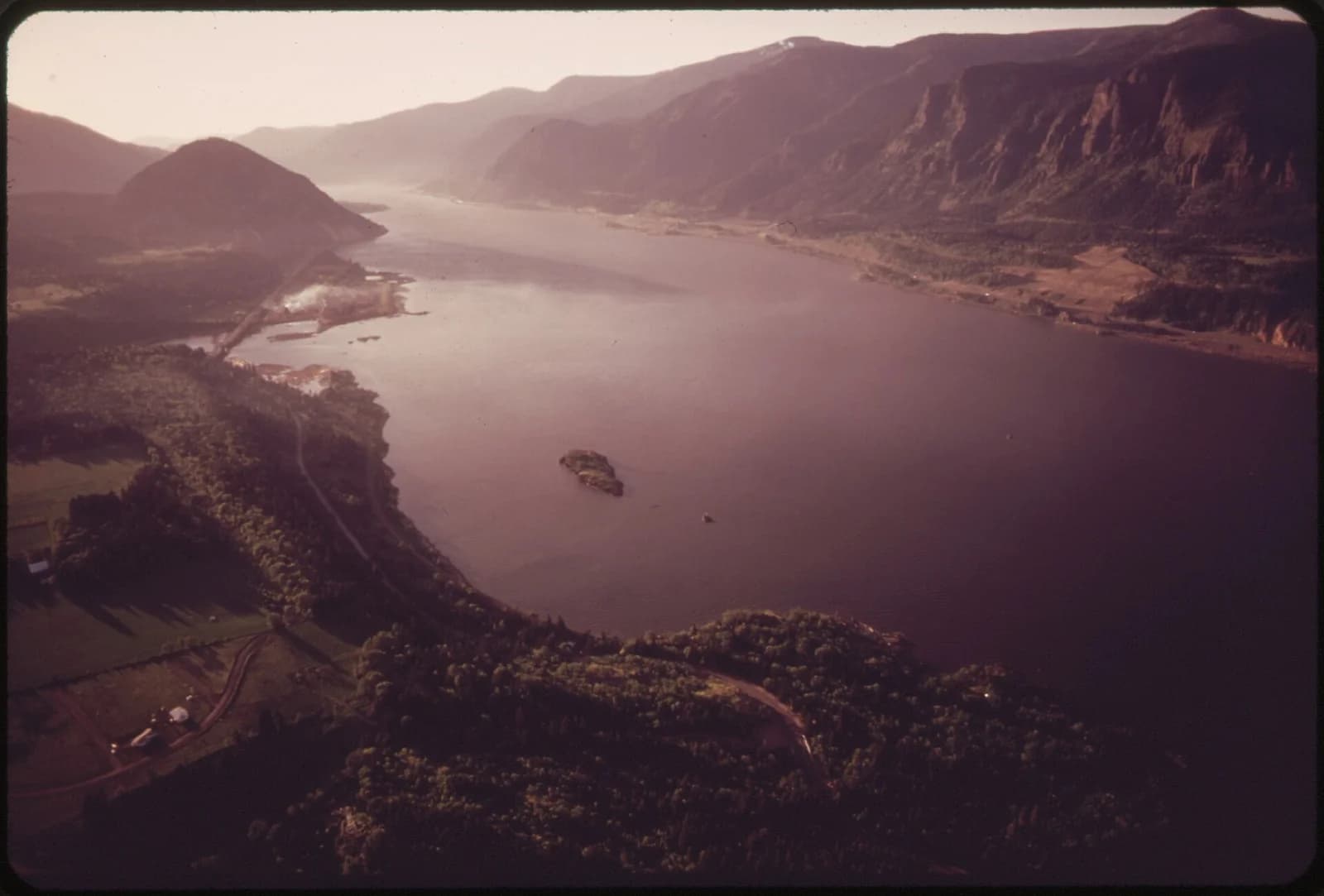
Columbia River Gorge (Hood River)
The most consistently windy stretch of inland water in North America — reliable 25–35 kt afternoons from April through October.
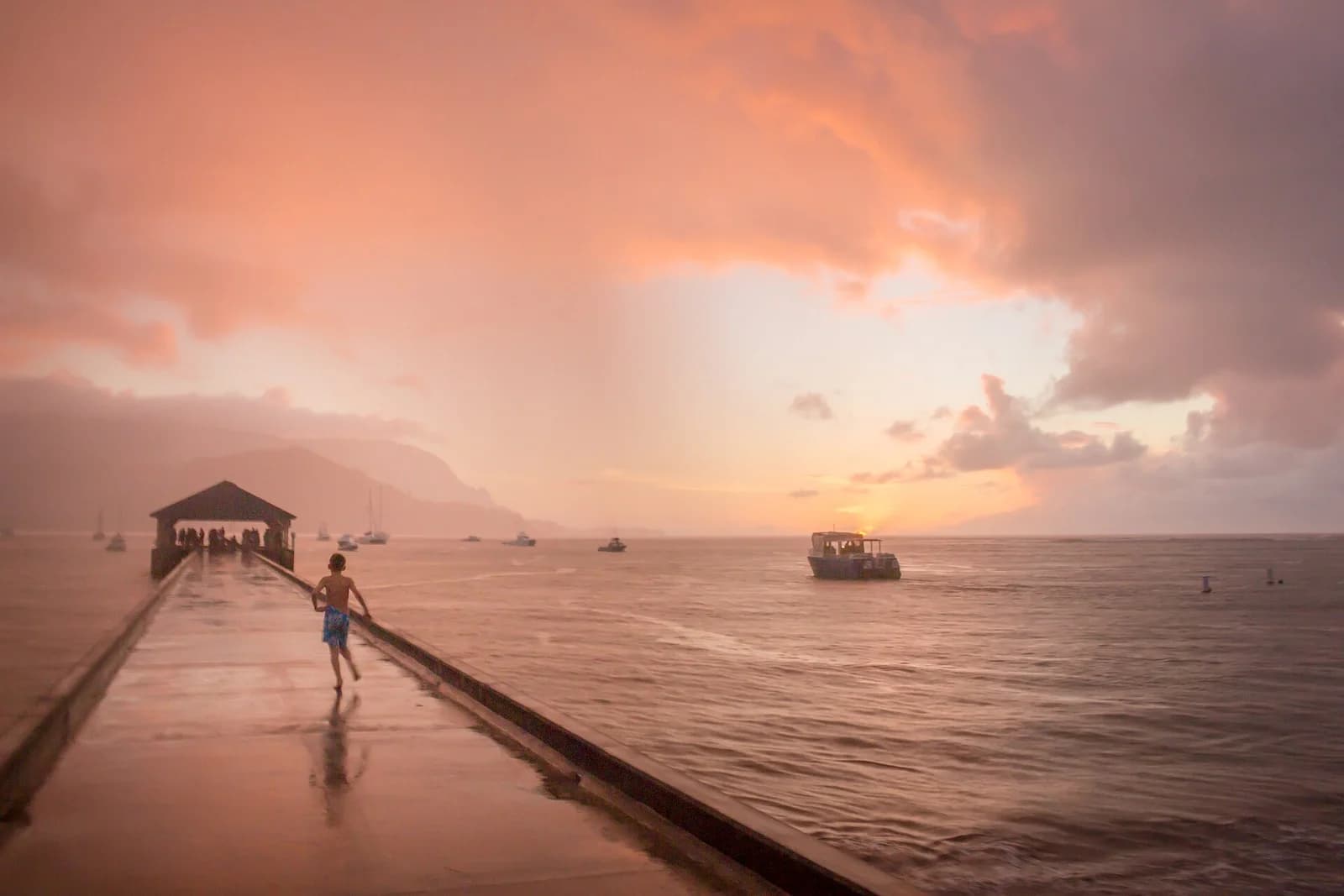
Hanalei Bay
Kauai's iconic two-mile crescent on the north shore — summer glass between Princeville and Makua Beach.
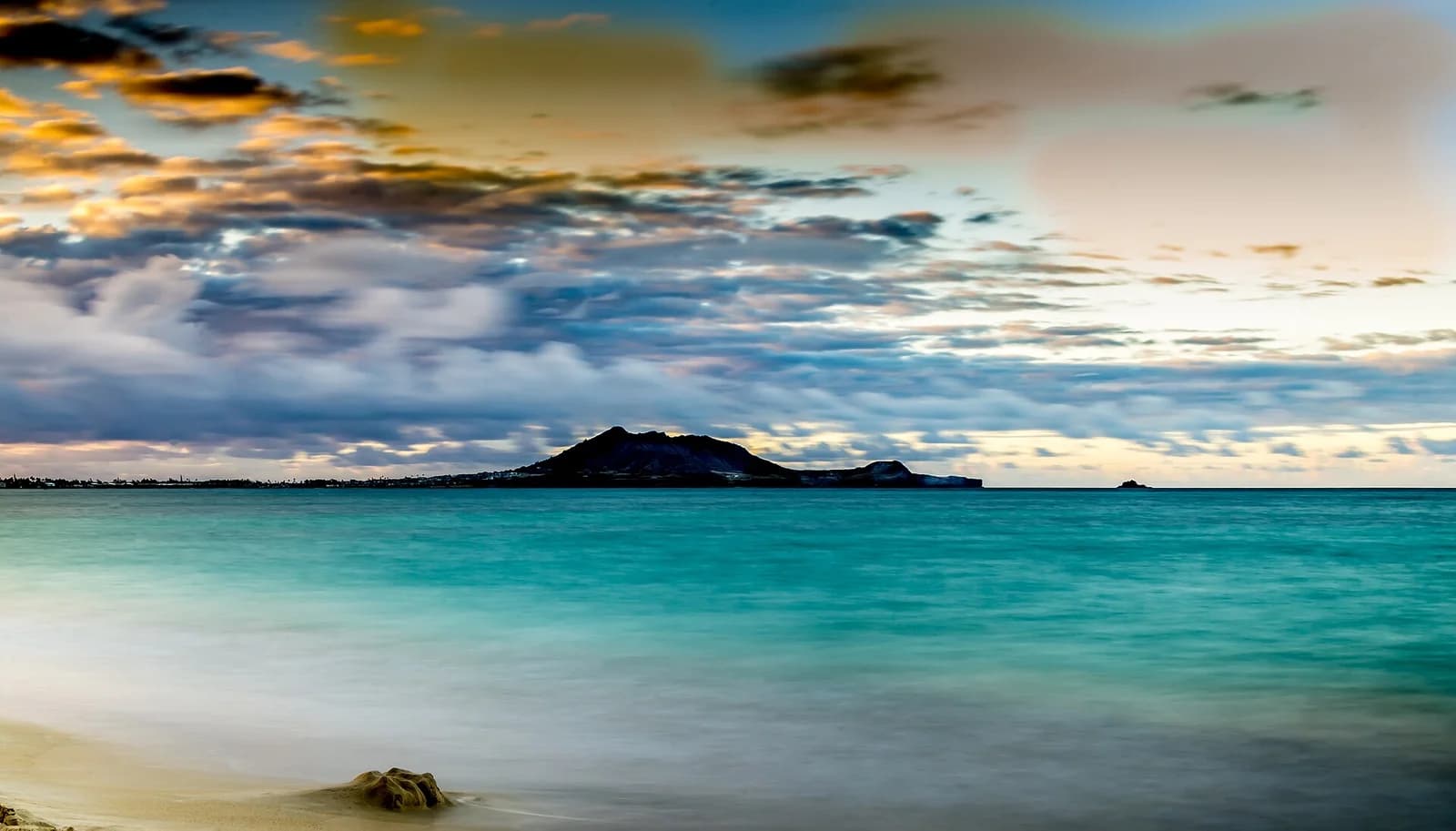
Kailua Beach
The classic windward Oahu learning bay — sand bottom, outer-reef protection, and the Mokulua Islands offshore.
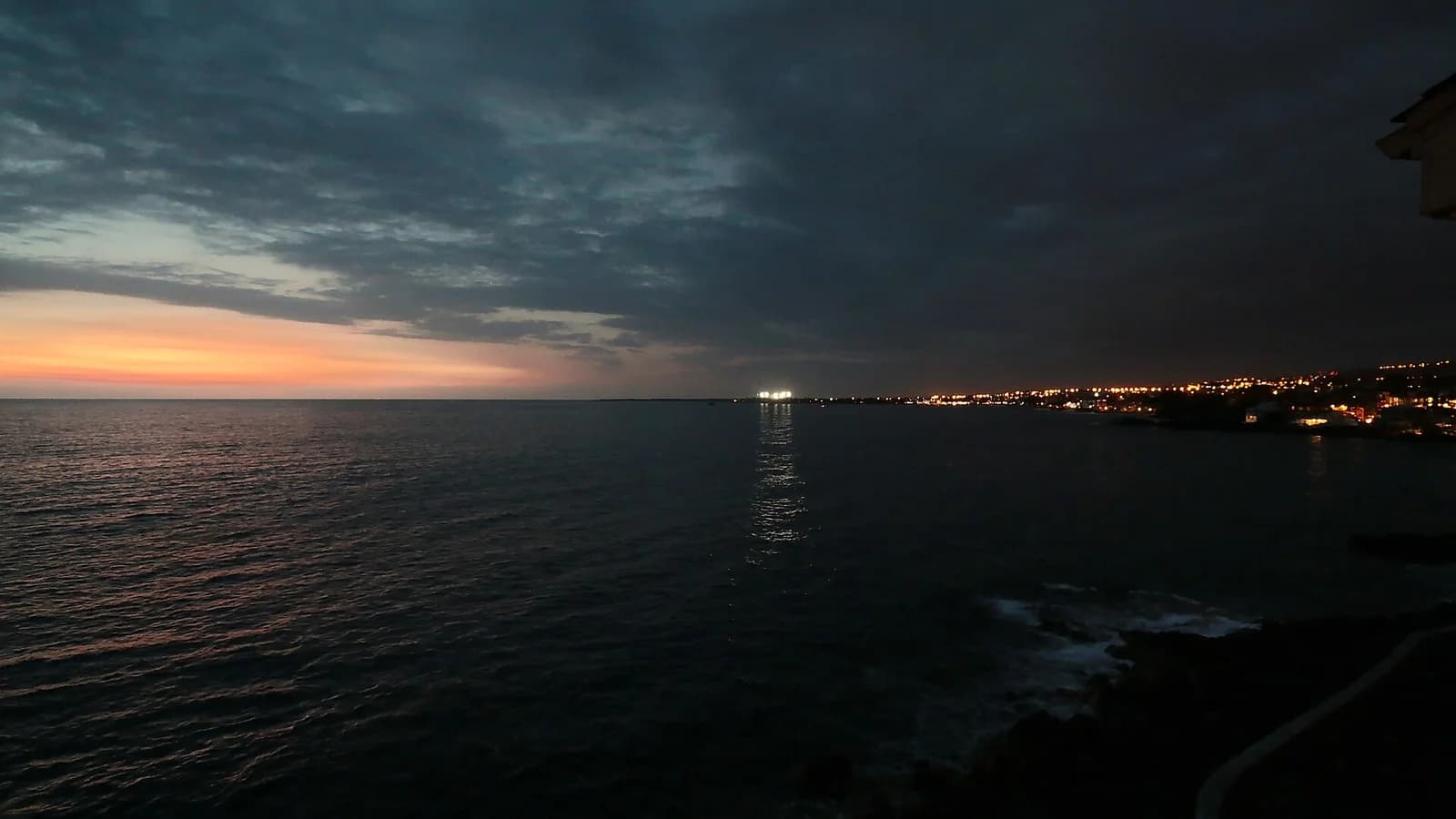
Kailua-Kona
The Big Island's leeward Kona coast — arguably the glassiest mornings in the chain, in the lee of two 13,000-ft volcanoes.
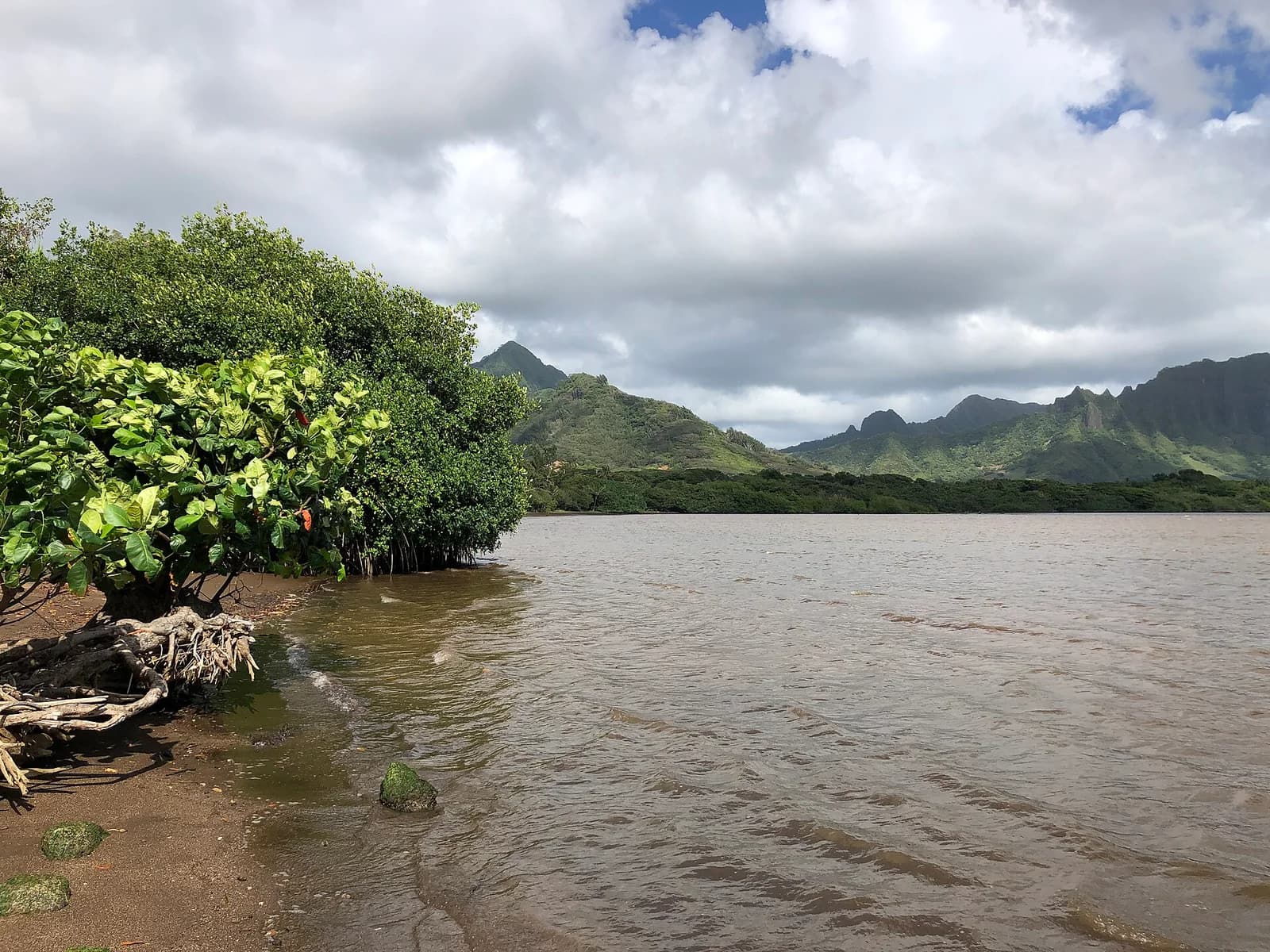
Kāneʻohe Bay
Windward Oahu's barrier-reef lagoon — miles of flatwater inside the reef, anchored by the Sandbar.
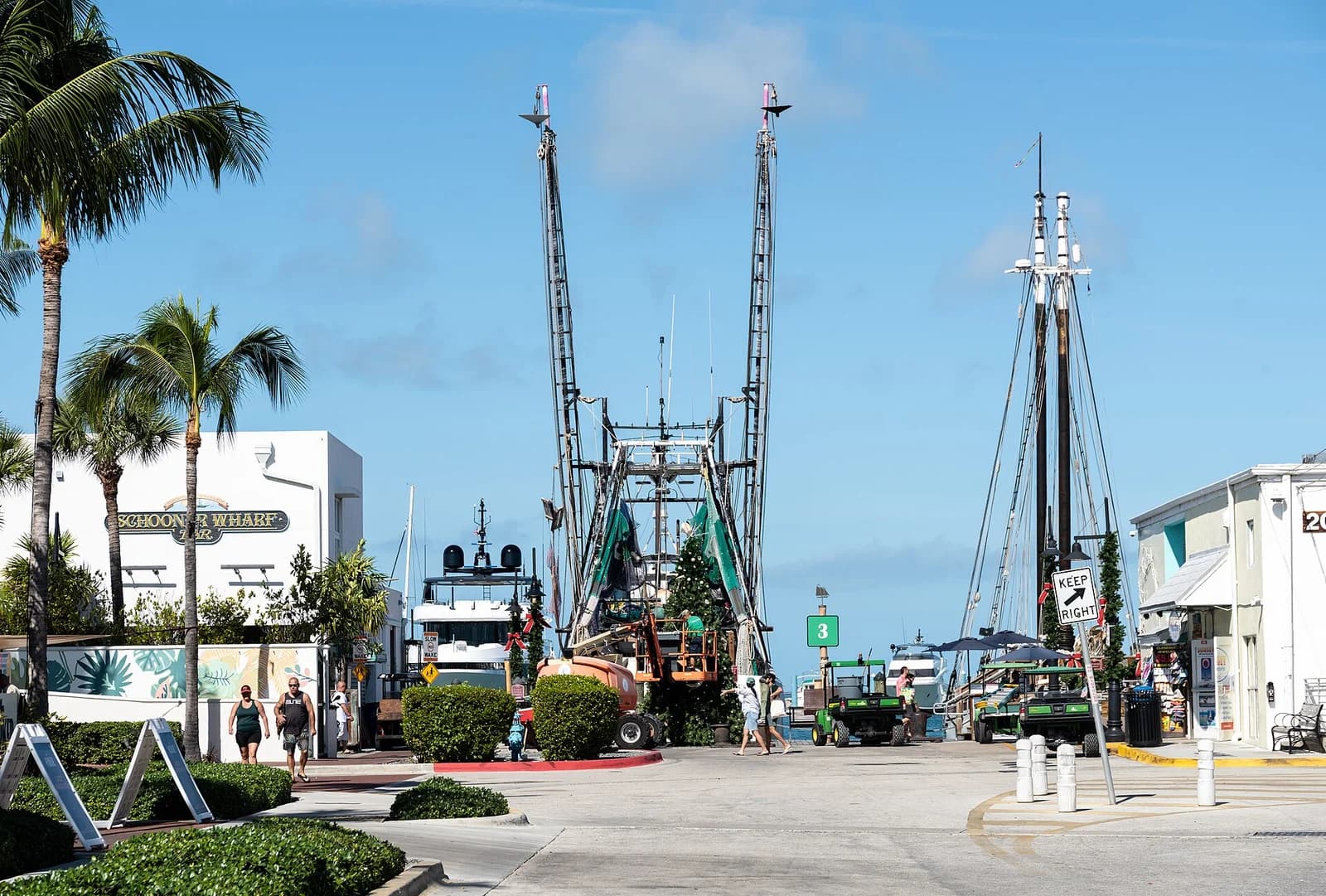
Key West
Tropical island at the end of the Florida Keys with year-round warm water, easterly trades, and protected reef flats on both sides.
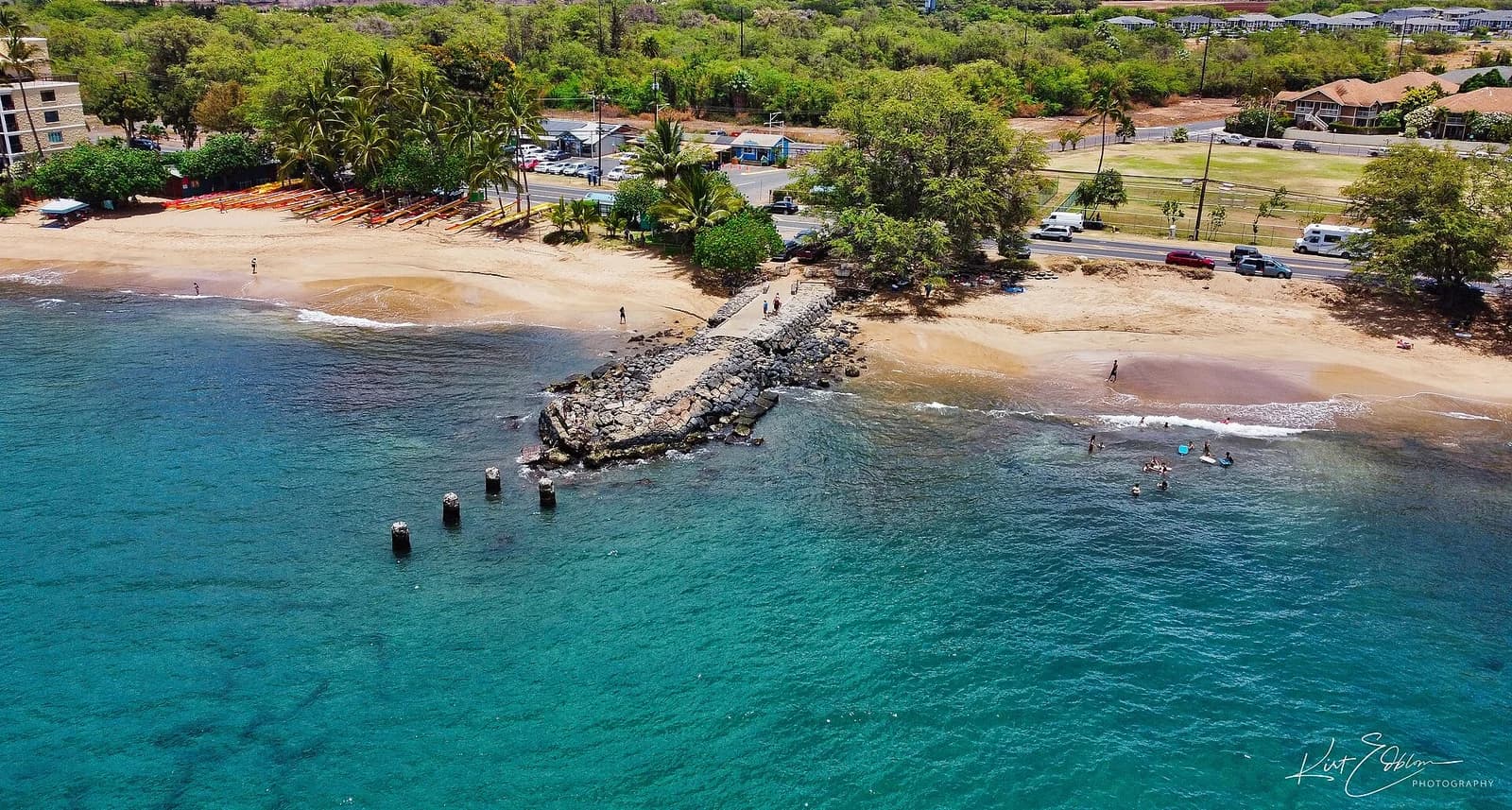
Kihei
Maui's south-shore beginner standard — leeward, dry, and the densest concentration of foil schools on the island.
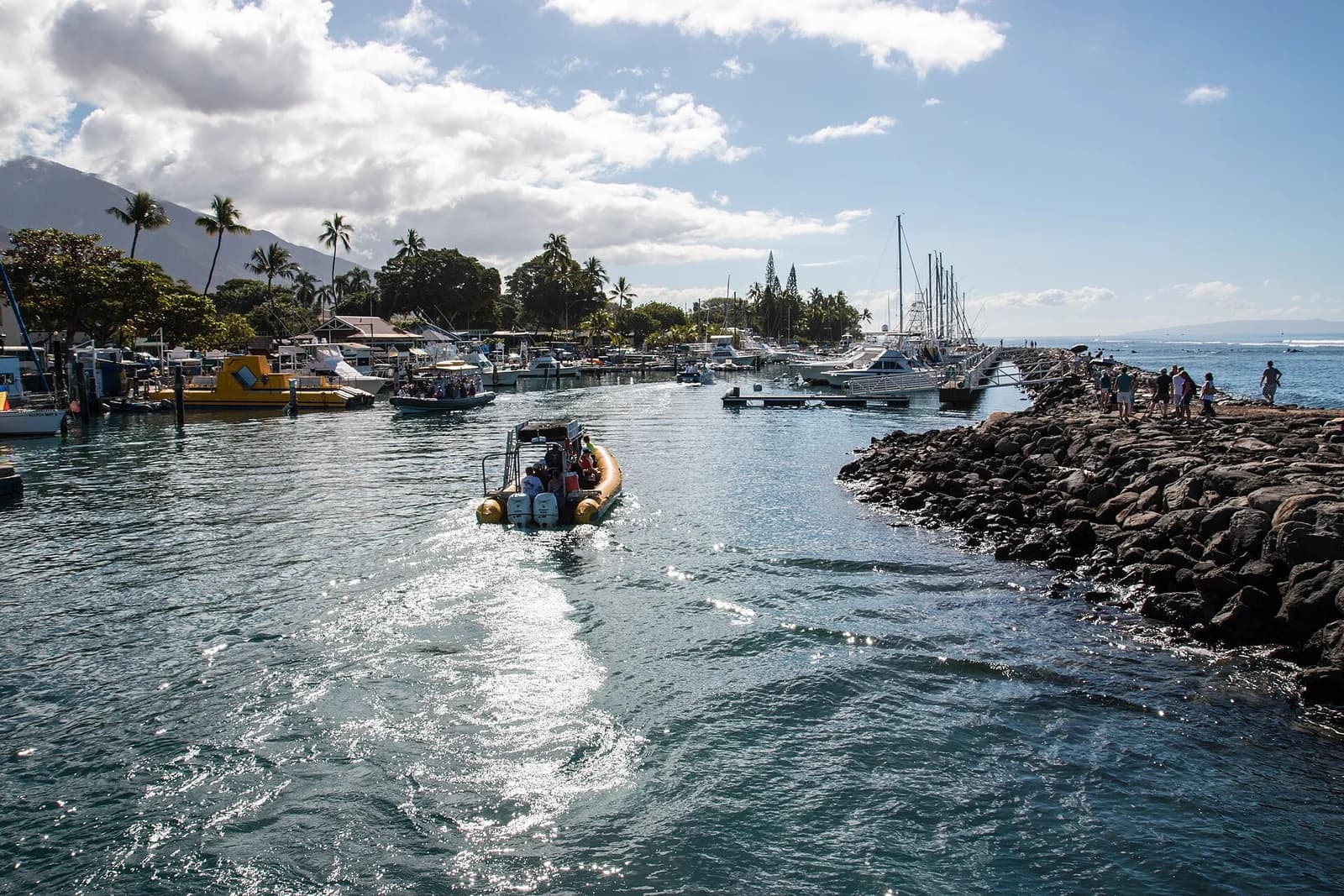
Lahaina
West Maui's historic harbor town facing Lanai across the Au'au Channel — calm leeward water, sober local context.
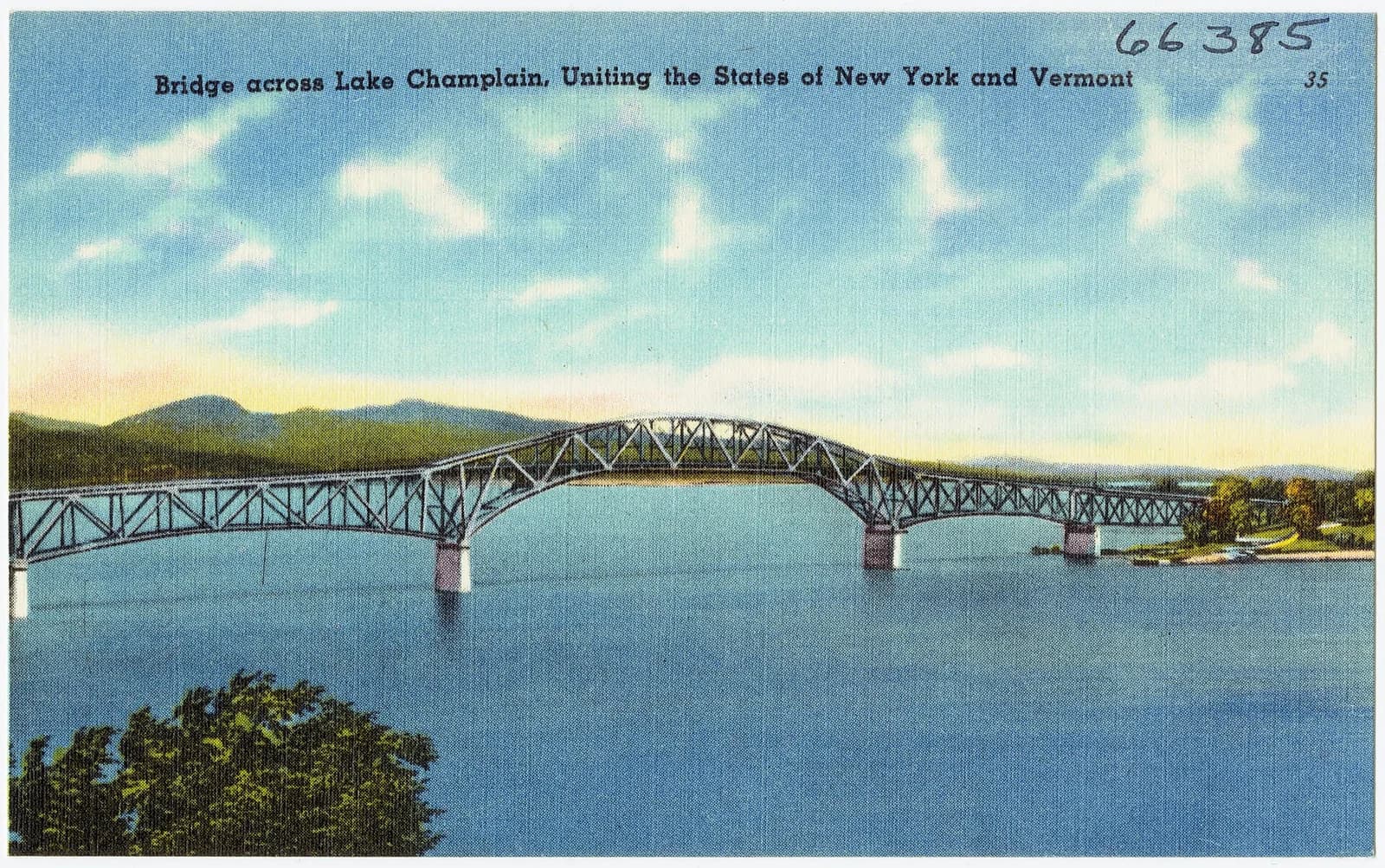
Lake Champlain
120-mile freshwater lake straddling Vermont and New York, with Adirondack views, sheltered bays around Burlington, and a warm-water July-August foil window.
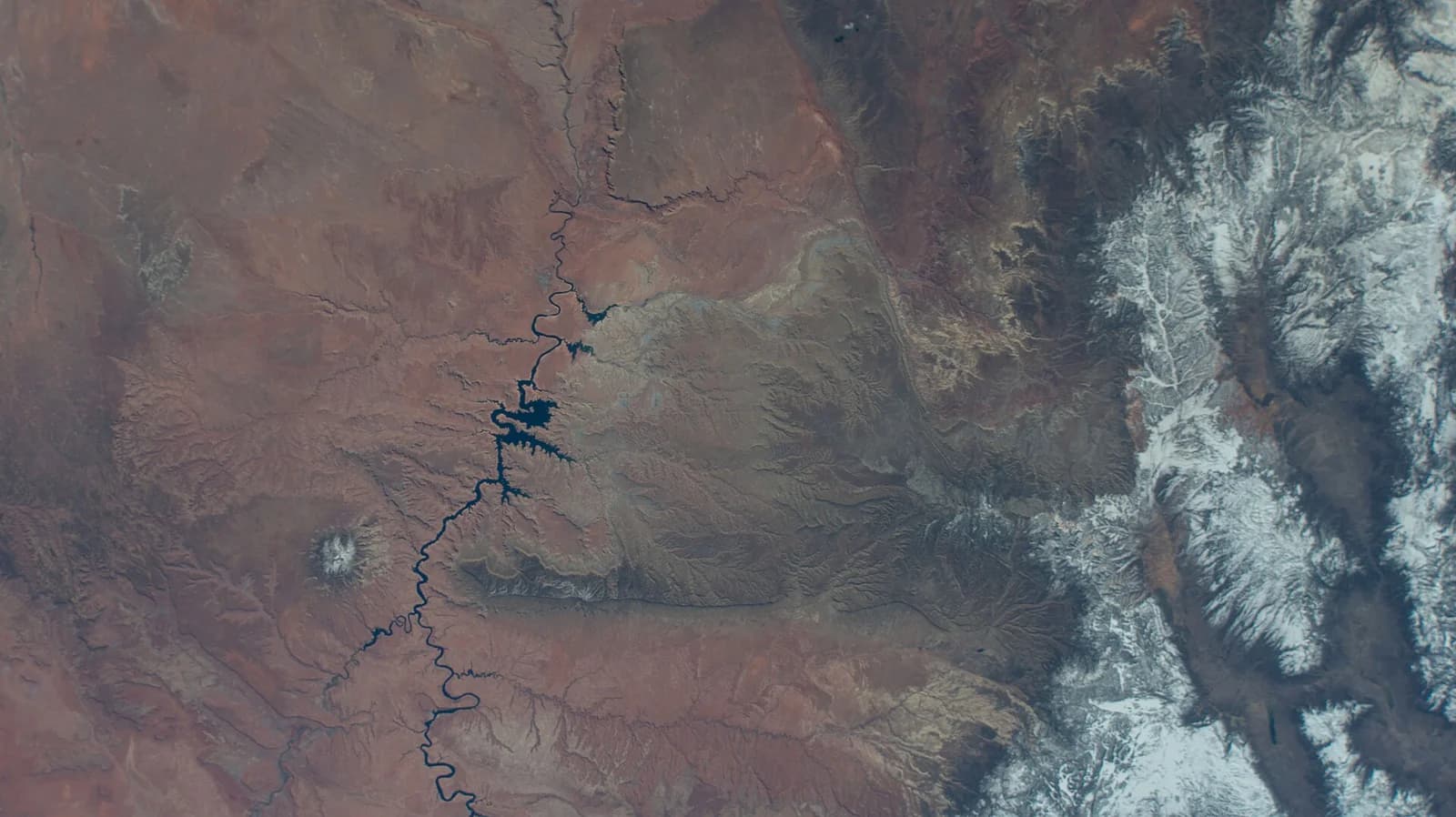
Lake Powell
Surreal red-rock reservoir on the Utah-Arizona border with 1,900 miles of shoreline, glassy sandstone canyons, and warm summer water for backcountry foil missions.
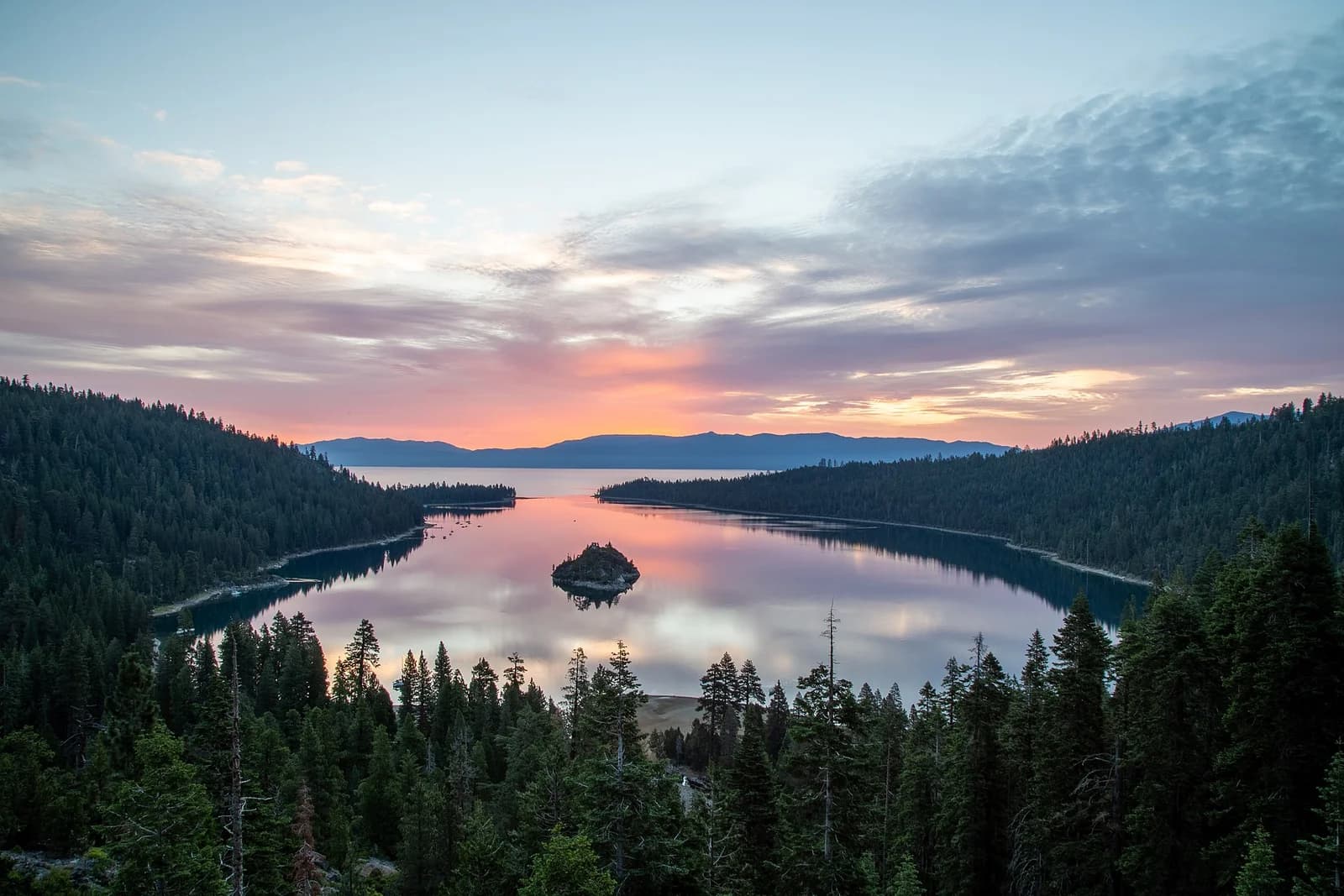
Lake Tahoe
Cobalt-blue alpine lake at 6,225 ft framed by the Sierra Nevada — crystal clarity, flat dawn water, and a thermal wind that builds every afternoon.
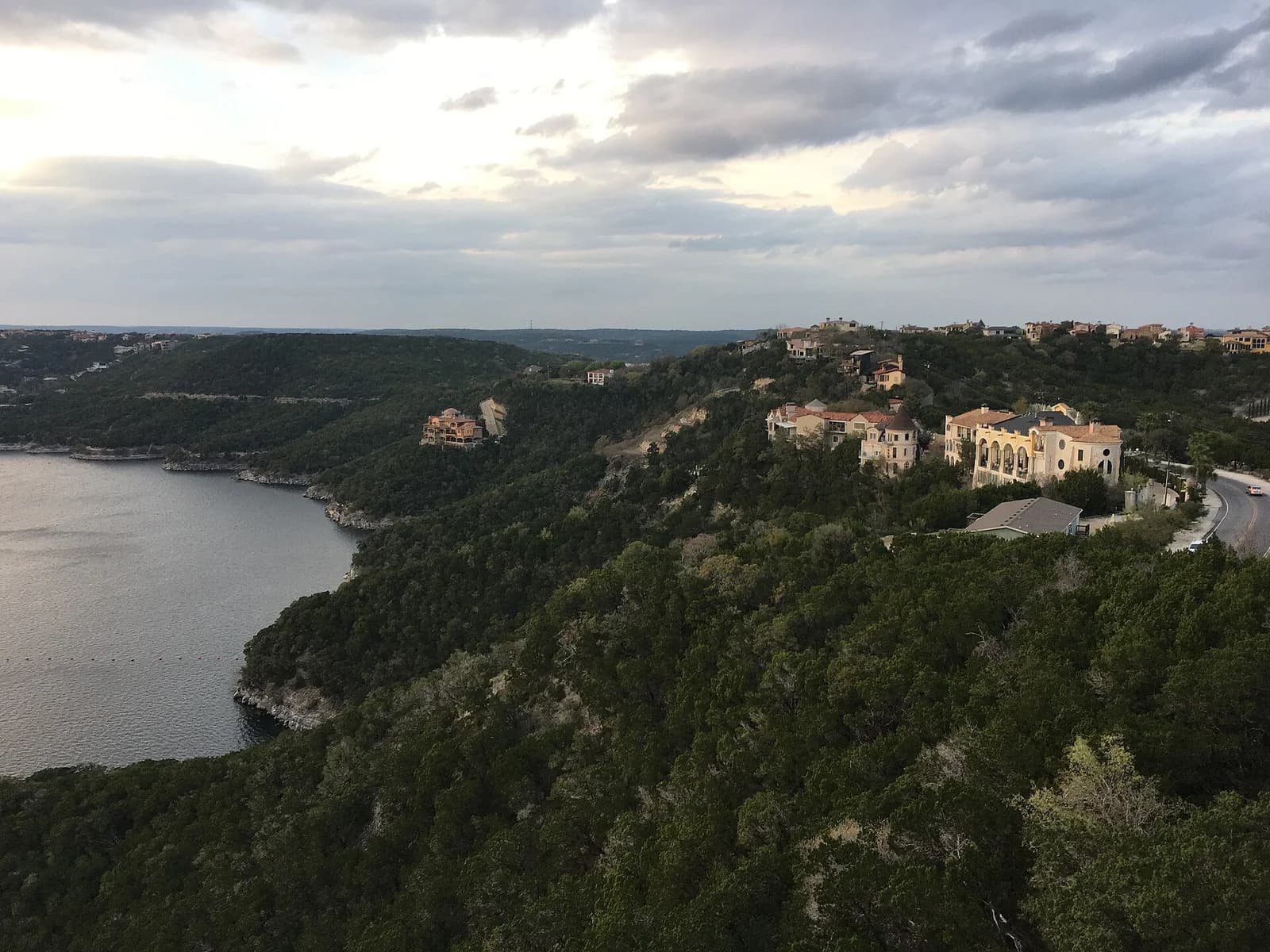
Lake Travis
Texas Hill Country reservoir near Austin — long, deep, and warm, with glassy summer evenings and easy public access.
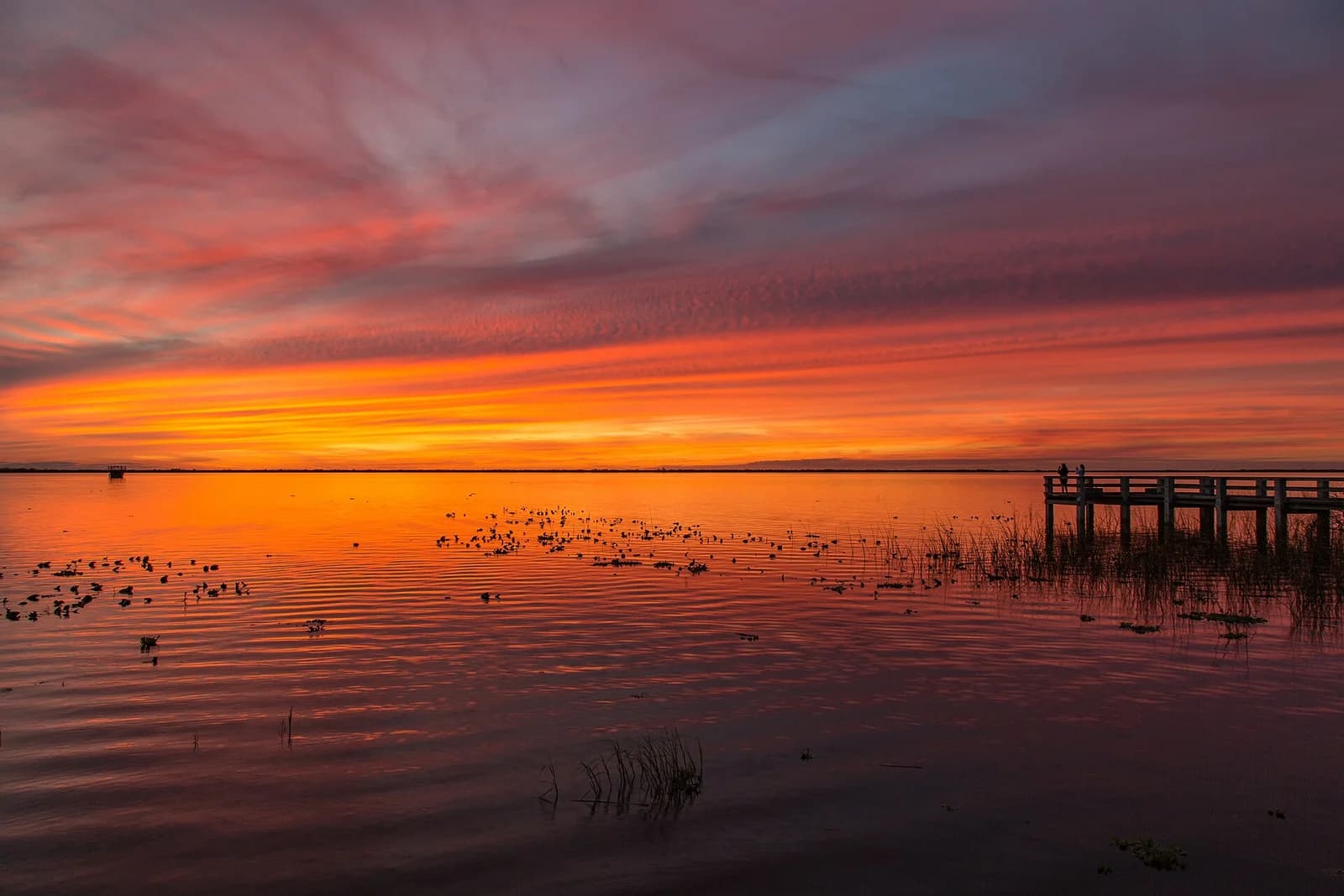
Lake Washington
Large freshwater lake bordering Seattle and Bellevue — sheltered, scenic, and ideal for flat-water foiling on summer evenings.
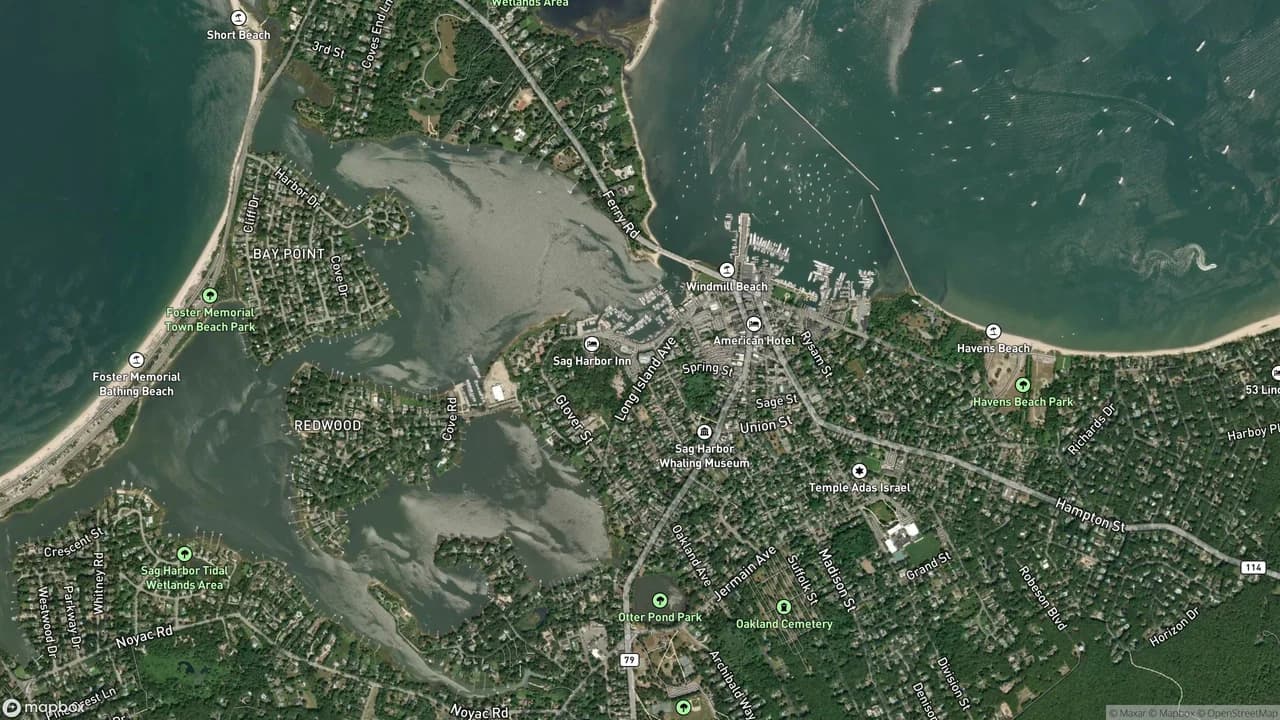
Long Island Sound / Sag Harbor
Sheltered bay water at the head of the Hamptons — flat, scenic, and reliably breezy on summer afternoons.
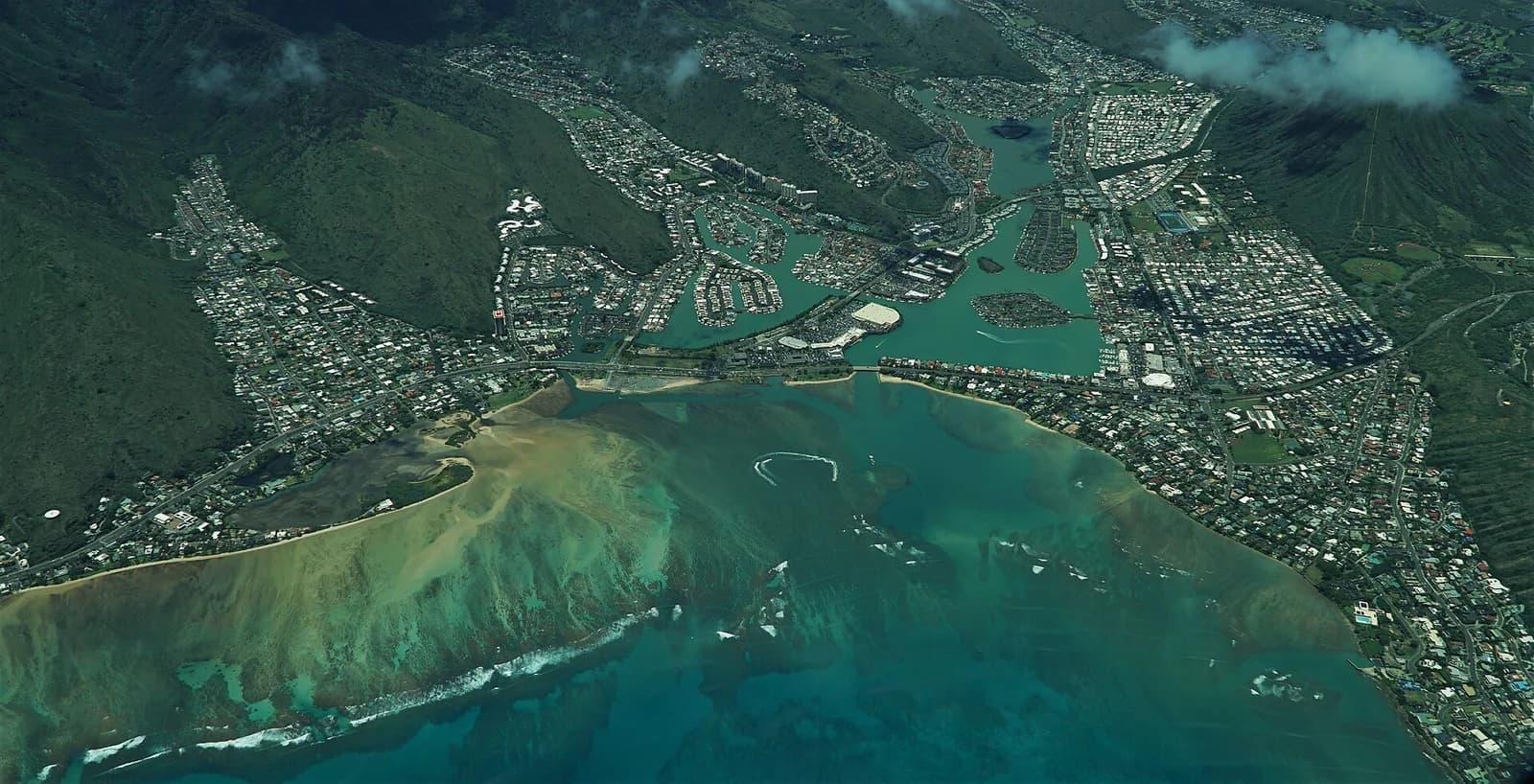
Maunalua Bay / Hawaii Kai
South Oahu's deep, sheltered bay between Diamond Head and Koko Head — the island's busiest eFoil hub.
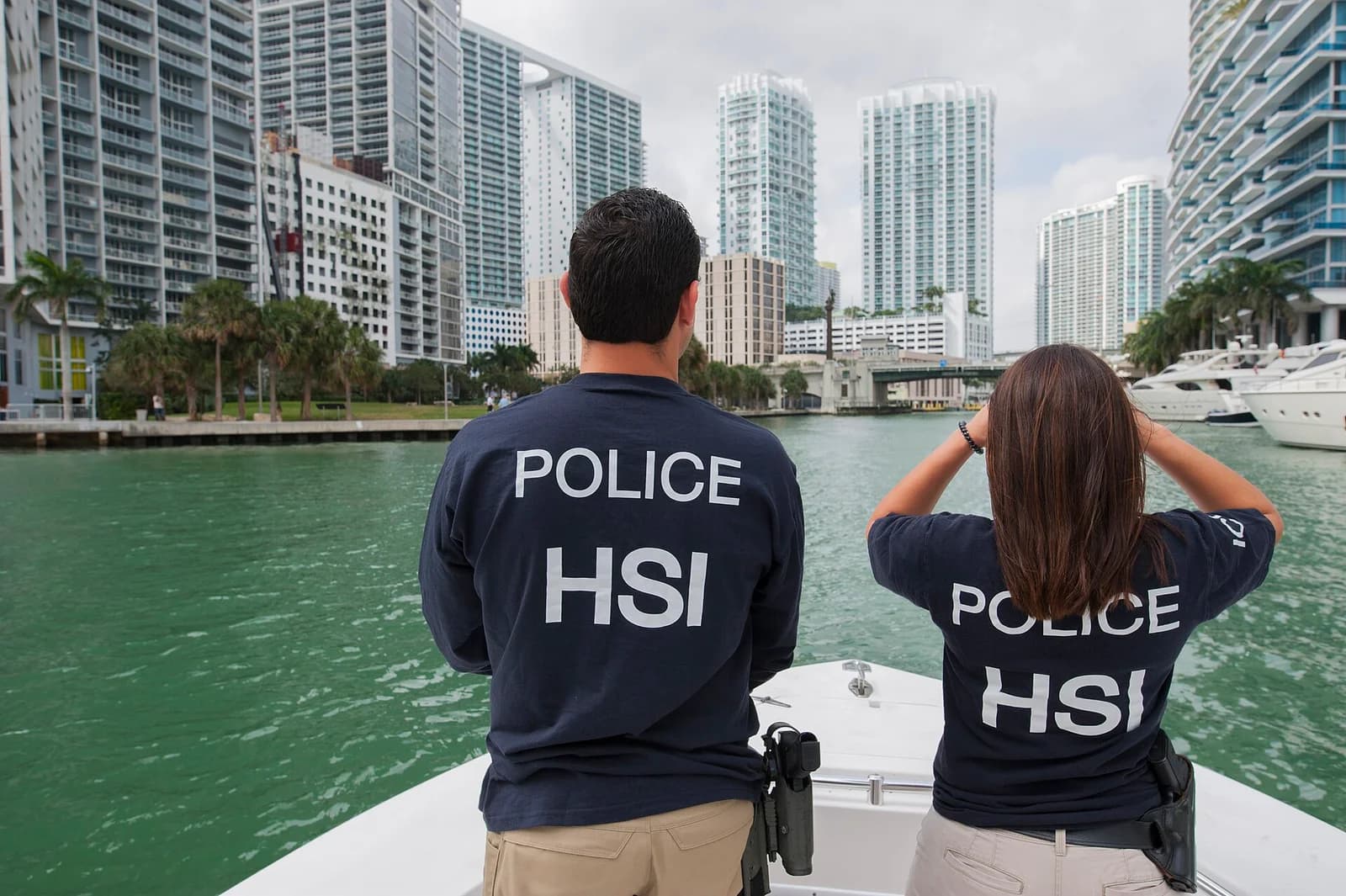
Miami / Biscayne Bay
Subtropical lagoon with year-round warm water, easterly trades, and miles of protected flats between Miami and the barrier keys.
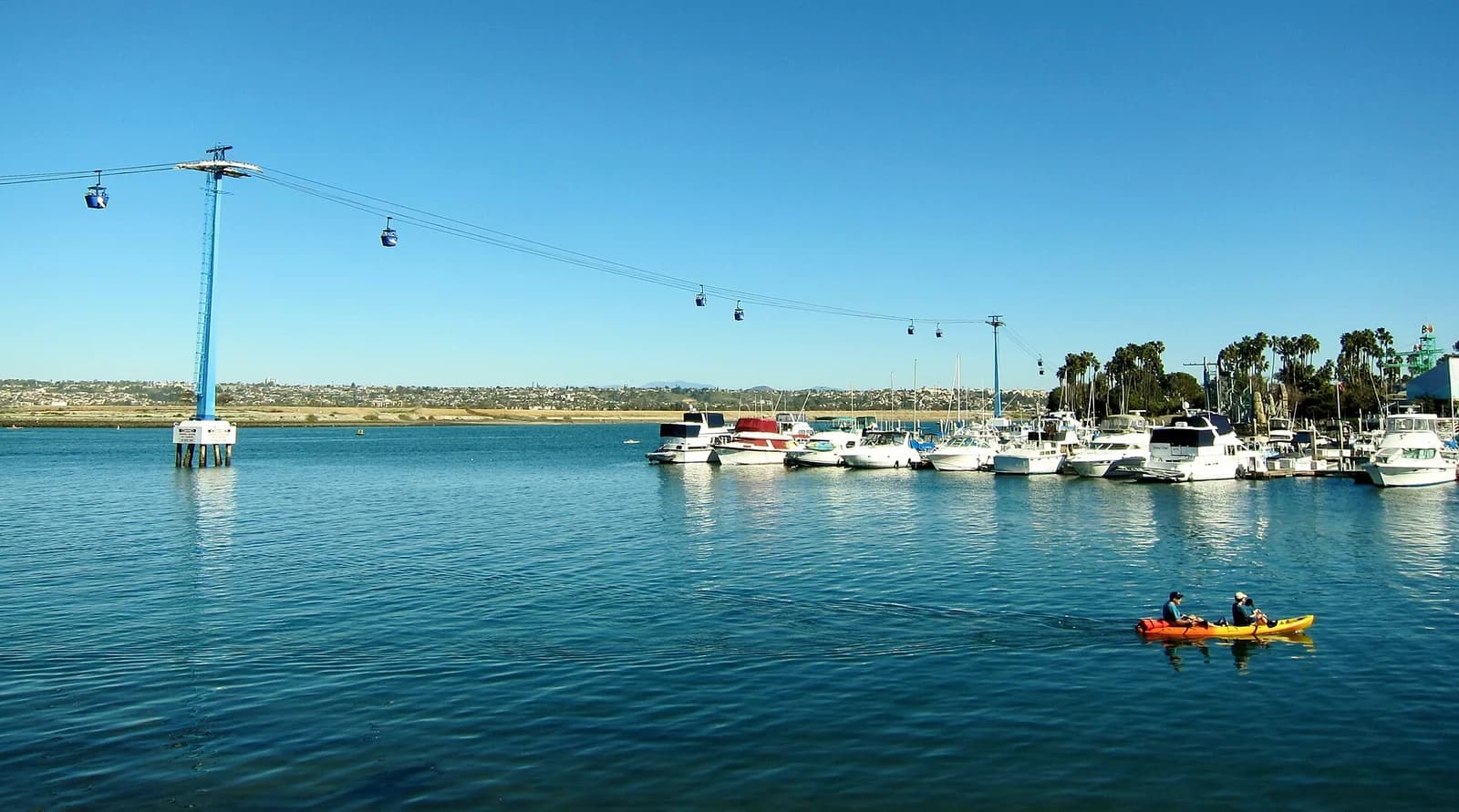
Mission Bay, San Diego
America's largest aquatic park — flat protected water, rental fleets, and year-round mild conditions make it the country's premier eFoil training ground.
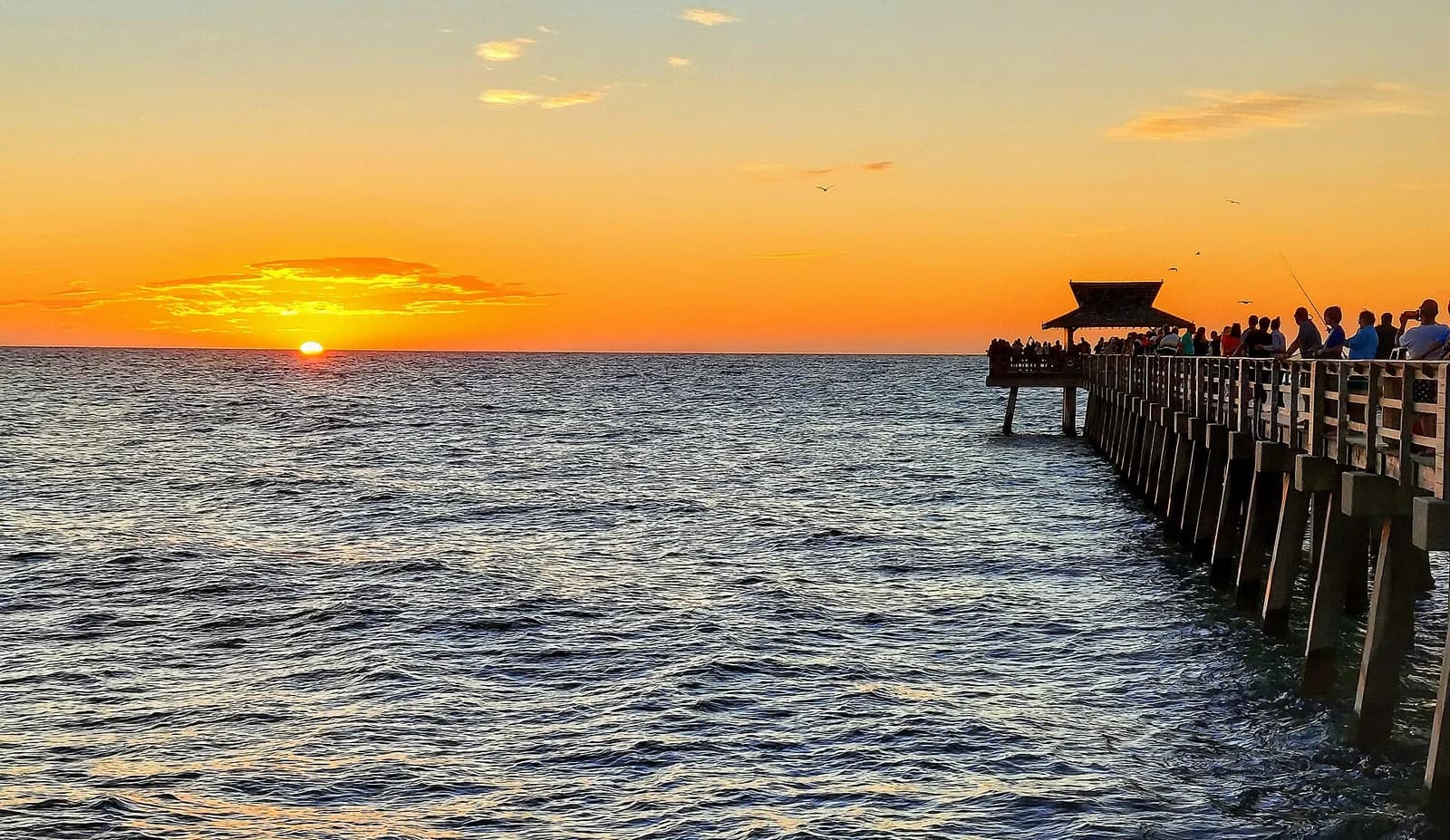
Naples
Gulf coast town with calm white-sand beaches, mild swell, and reliable afternoon sea breezes from spring through fall.
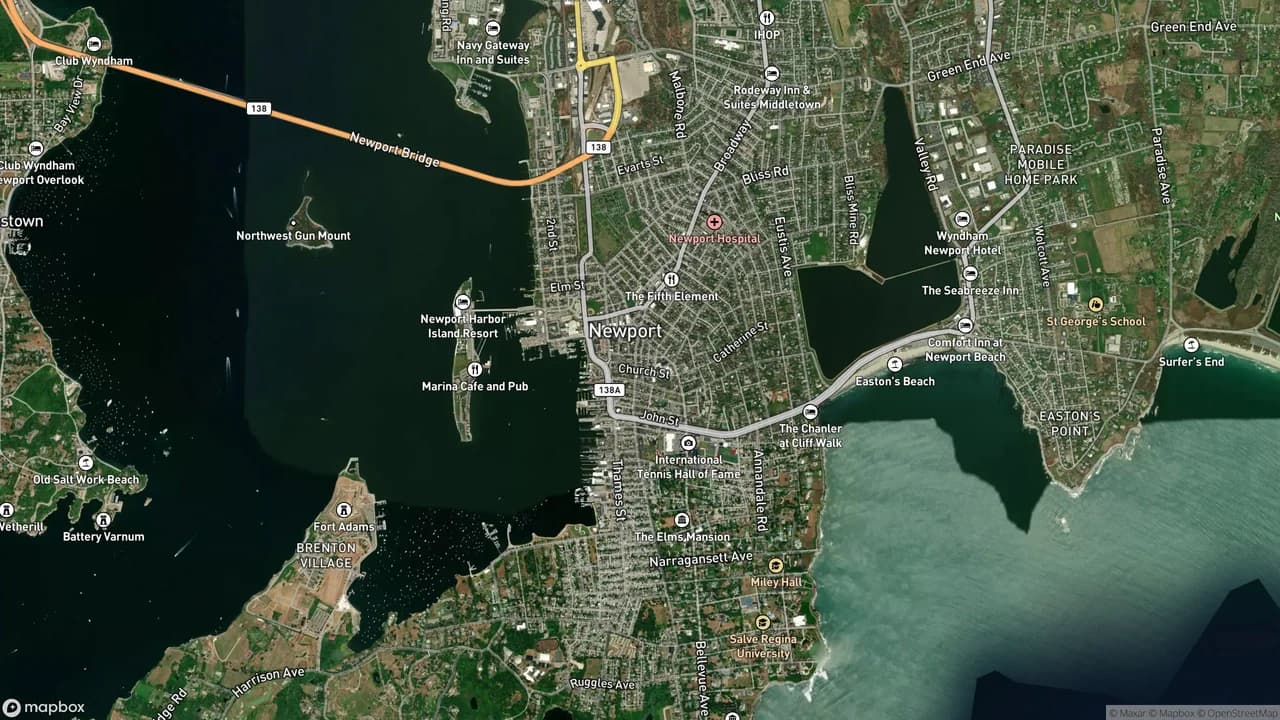
Newport
America's sailing capital — open bay water with the most reliable summer sea breeze on the Northeast coast.
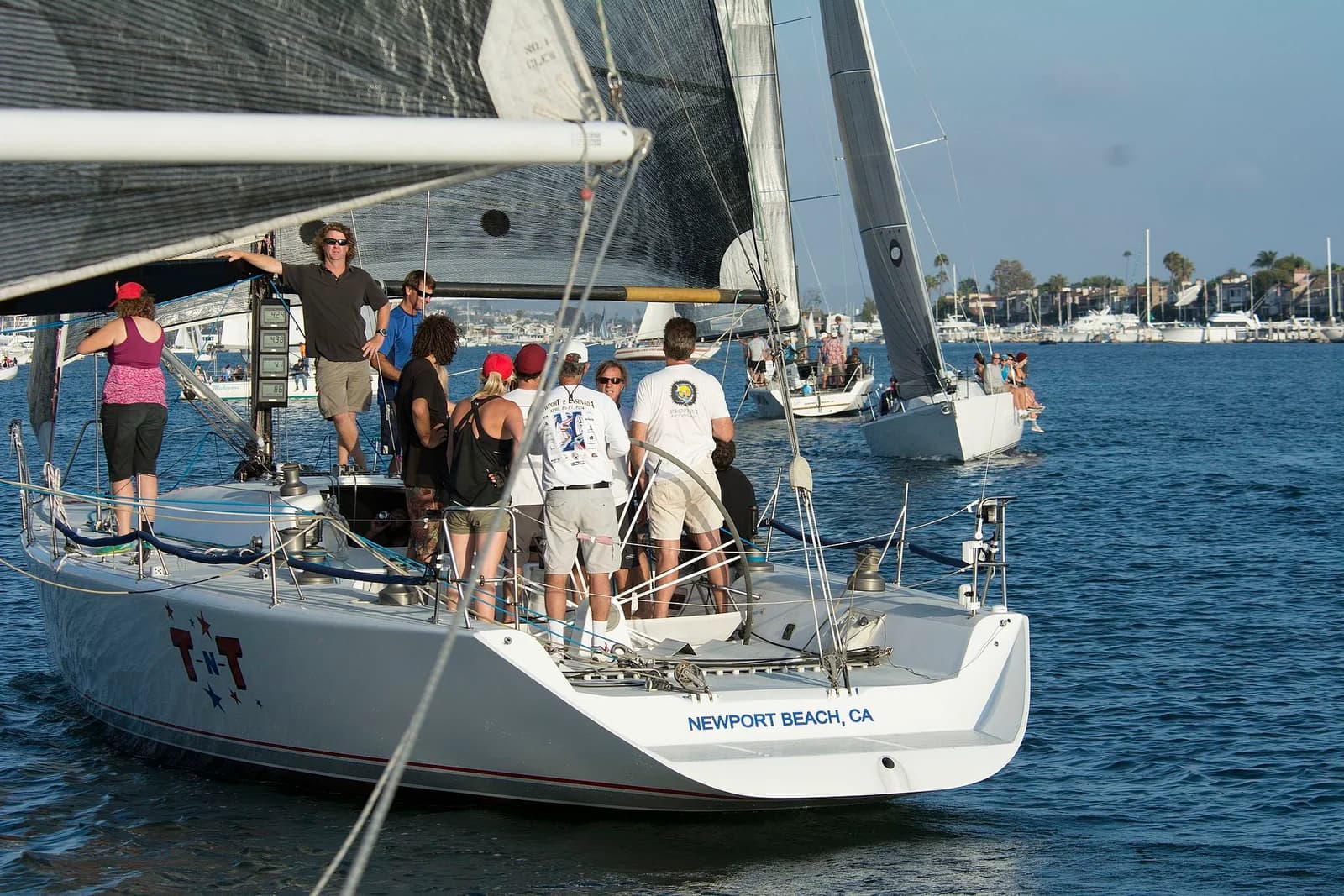
Newport Harbor, Newport Beach
One of the largest recreational small-craft harbors on the US West Coast — glass-flat, warm, and beginner-perfect when channels are quiet.
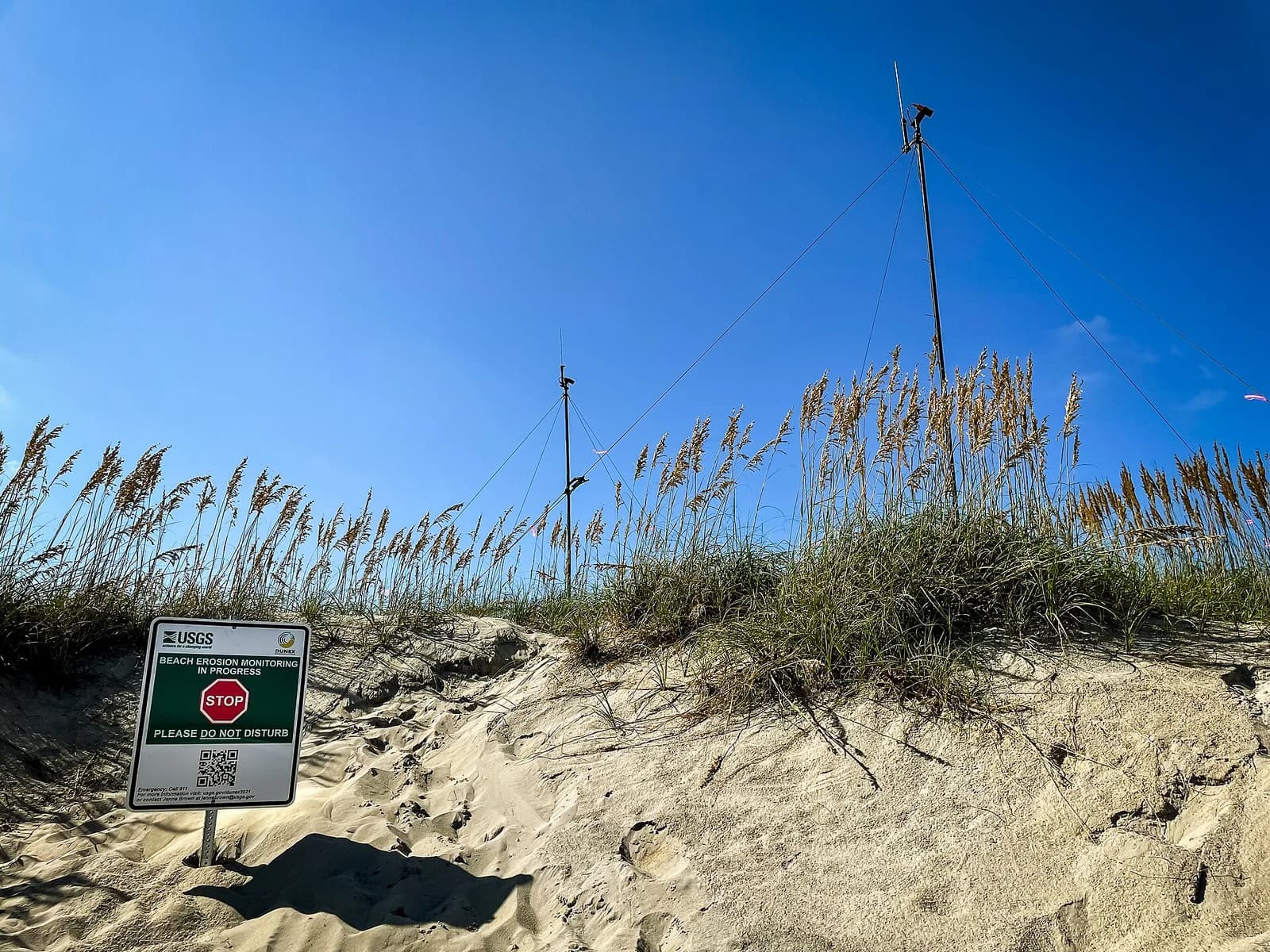
Outer Banks
America's barrier-island wind capital — flat shallow Pamlico Sound on one side, open Atlantic on the other, and legendary northeast winds October through November.
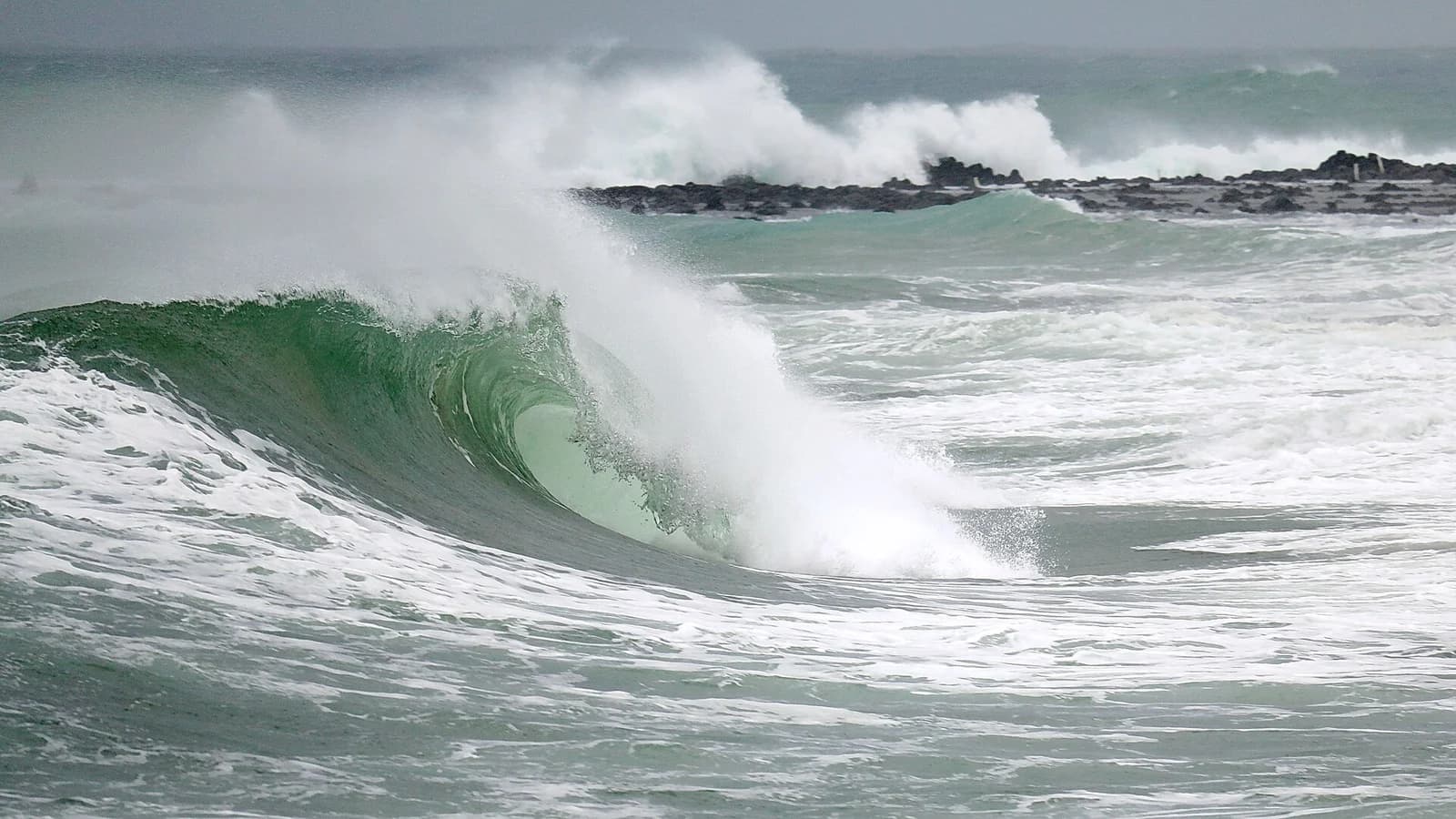
Po'ipū
Kauai's sunny south shore — the dry-side counterpoint to Hanalei, ridable year-round in the right window.
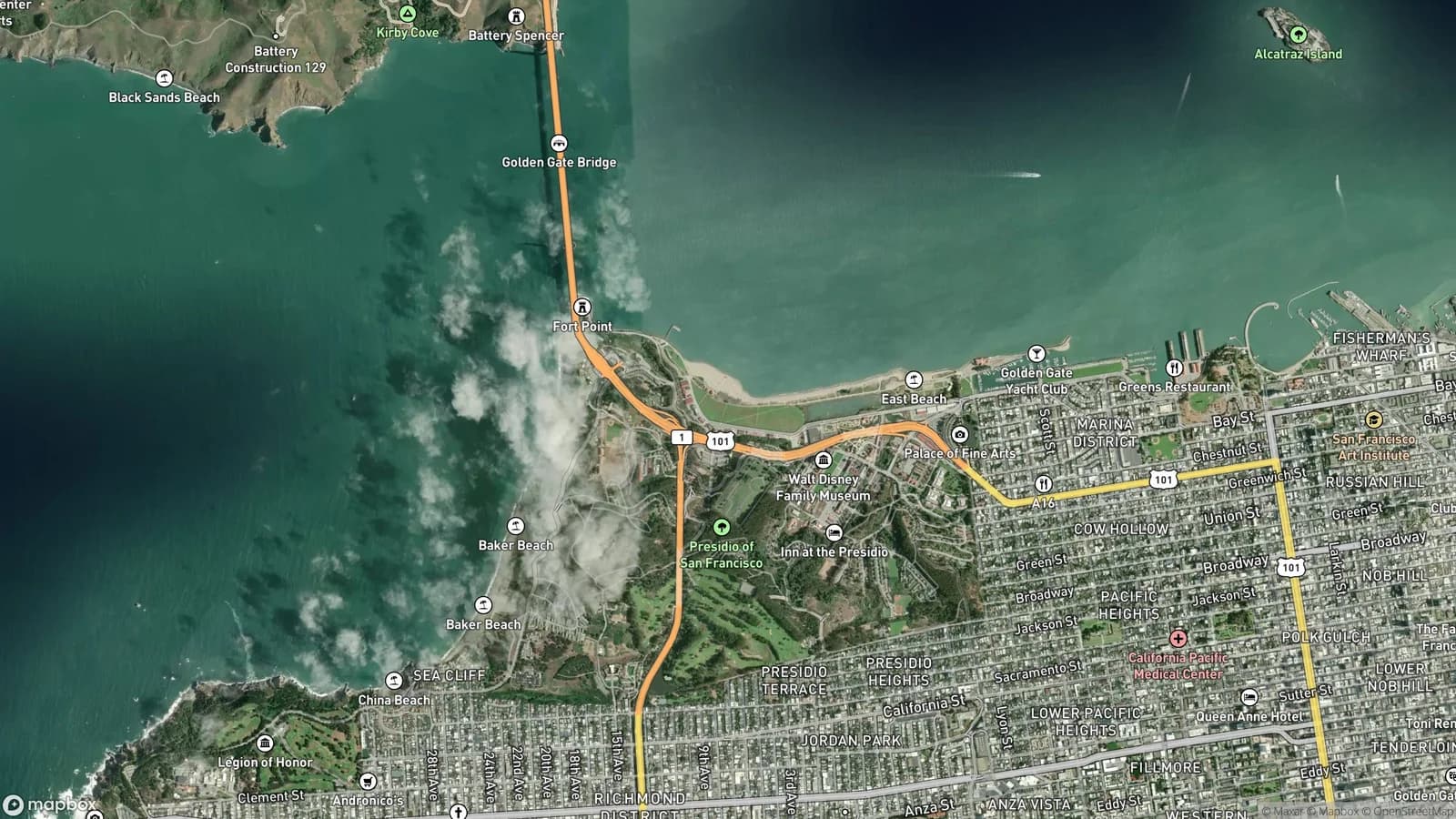
San Francisco Bay (Crissy Field / Treasure Island)
Cold, windy, current-swept water beneath the Golden Gate — a serious arena for confident foilers comfortable with chop and tide.
Santa Barbara — East Beach / Goleta
South-facing Riviera coastline shielded by the Channel Islands — smaller swell than the rest of California and reliable mid-day sea breeze.
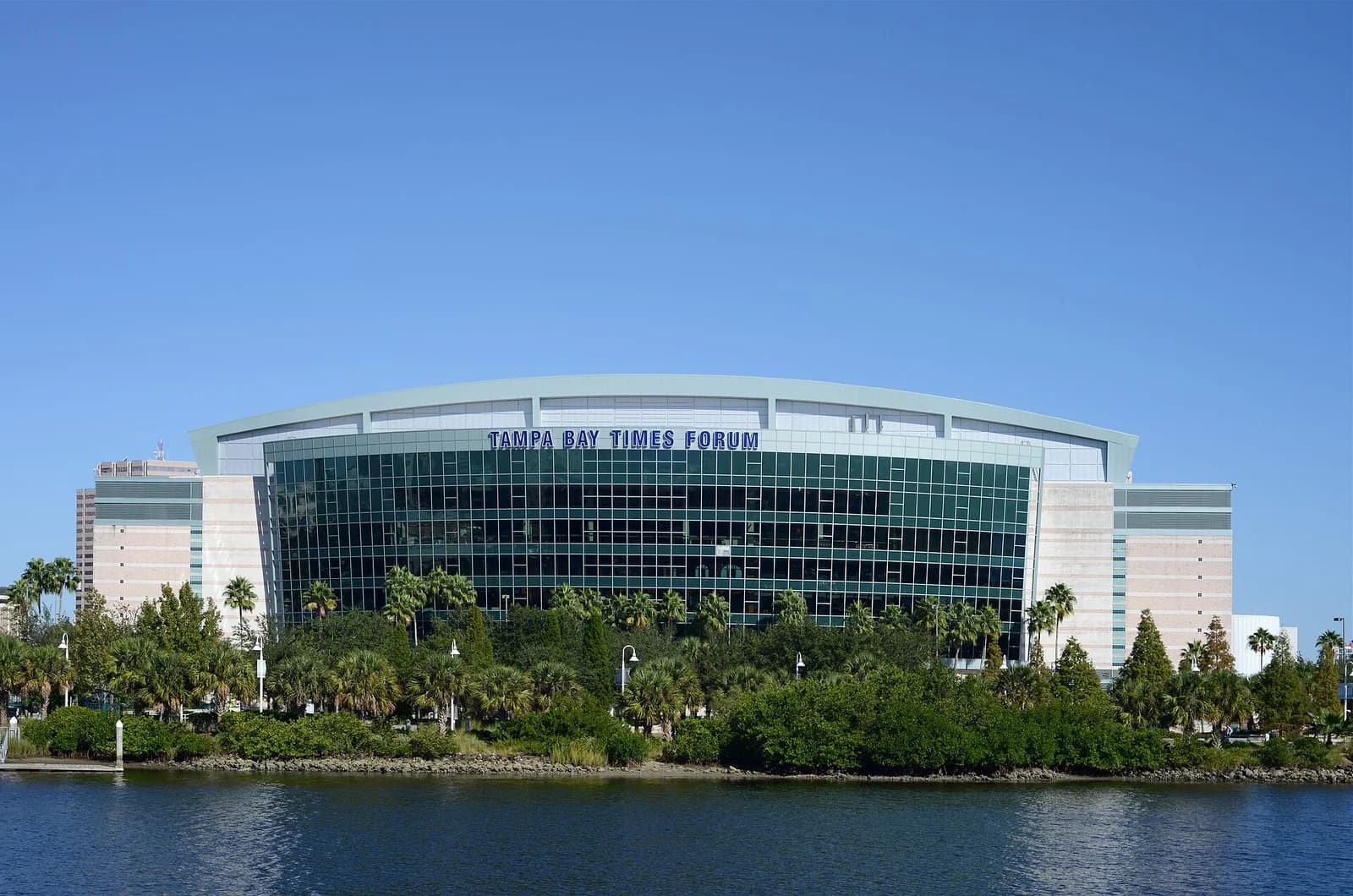
Tampa / Tampa Bay
The largest open-water estuary in Florida — sheltered, shallow, and consistently flat with reliable Gulf sea-breeze afternoons.
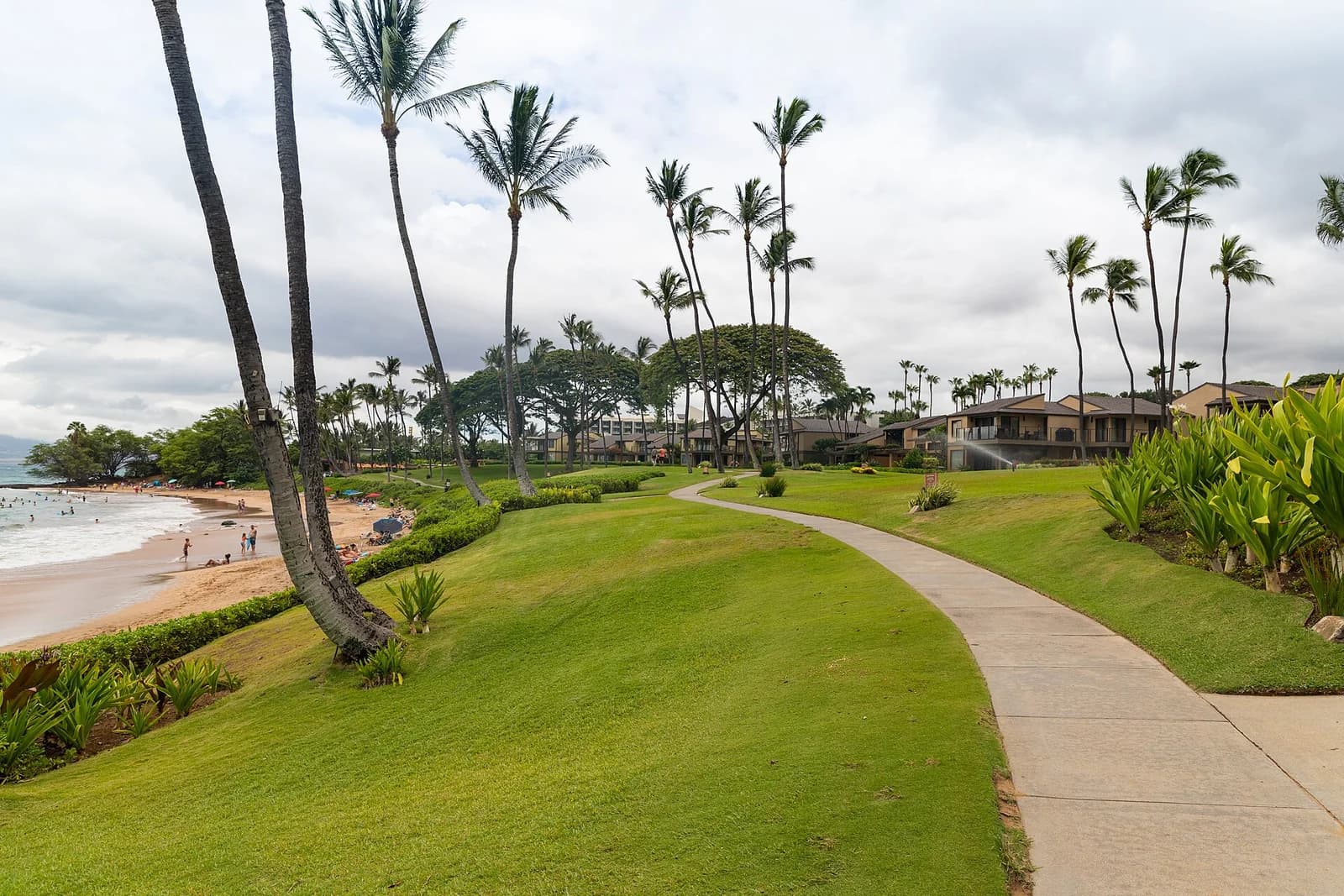
Wailea
South Maui's premium resort stretch — slightly calmer than Kihei, with crescent beaches separated by lava points.